Deep into the horizon line, the eye stops to look at a protrusion from the vast sea of trees. Not sure what to make of it, the eye assumes it’s just some type of abstruse vegetation to which the preconceptions are estranged. Yet, there’s an undeniable curiosity that tugs at the observer, urging a closer inspection. Perhaps it’s the way the sunlight glints off the mysterious shape, or maybe it’s the way it disrupts the otherwise uniform canopy. Whatever the reason, the eye is drawn to it, seeking clarity amidst the ambiguity.
As the observer inches closer, swimming amidst the green waves of the forest sea, the object begins to take shape and glisten. With every step, the mysterious protrusion comes into sharper focus, revealing itself not as vegetation, but as something crafted by human hands in the human search for the divine. So a structure emerges, ancient and weathered, yet standing.
It’s a stupa, a serene and sacred round structure that stands in the name of devotion.
The Structure of a Stupa
Often found nestled amidst rural landscapes of Central and Southeast Asia, stupas are composed of several separate elements, each symbolizing a precise meaning mirroring the universal order of the cosmos, as well as the meditating Buddha sitting in the lotus position.
1. The base or throne, the foundational element upon which the structure is erected, symbolizes Earth as a representation of stability, equanimity, and ethical conduct – the essential aspects that ground individuals and create a solid platform for spiritual growth. The platform usually sits on three steps representing the three jewels of Buddhism: Buddha (the teacher), Dharma (the teachings), and Sangha (the disciples). These are the religious tenets upon which humans can escape the suffering imparted by dukkha (extreme attachment to desires) and reach liberation. On top of the throne sit four steps, which mirror the legs of the seated Buddha as well, as the Four Immeasurable Minds of Maitri (loving kindness), Karuna (the coming together in compassion), Mudita (happiness of the mind, joy), and Upeksha (non-attachement, letting go).
2. The dome, known as the “Bumpa,” is frequently linked to the chest of the Buddha, the element of water, and the seven elements of enlightenment. The water in this instance represents the manifestation of inner potential, and invocation of the fertile landscape of the mind, where insights and understanding will emerge. The seven elements mentioned above are as follows: Sati (mindful presence), Dhammavicaya (acute investigation), Viriya (dedicated energy and vigor), Piti (holistic rapture), Passaddhi (tranquility of body and spirit), Samadhi (luminous concentration), and Upekkha (noble equanimity).
3. The Harmika, just below the spire, is representational of the eyes of the Buddha, the element of fire, and the the Noble Eight-fold Path of Right View, Right Resolve, Right Speech, Right Action, Right Conduct, Right Effort, Right Mindfulness, and Right Concentration. The thirteen rings composing the spire symbolize the stages of the bodhisattva’s transcendental path to enlightenment, where ultimate freedom from corporal suffering is finally attained. This vertical structure illustrates the journey of spiritual growth, where individuals ascend through different levels of understanding and enlightenment, fueled by the transformative power of fire.
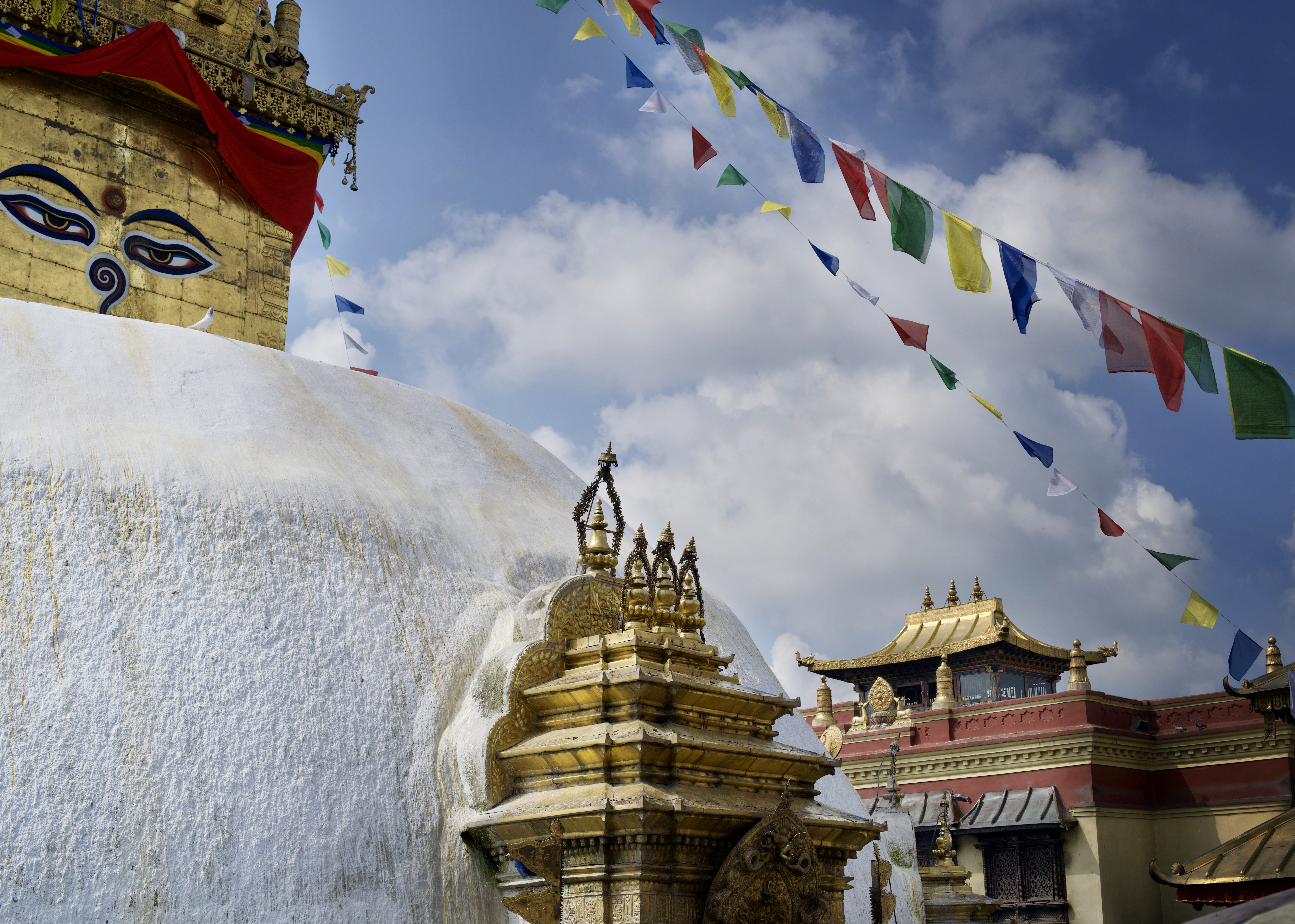
4. Crowning the Hamika is the Chatra, or Parasol, a representation of divine protection, Karuna (translatable as selfless compassion), and the element of air. This sacred symbol, often adorned with vibrant colors and ornate designs, serves as a beacon of hope and kindness, inviting all who gaze upon it to reflect on the virtues it embodies. The Chatra not only signifies spiritual shelter but also inspires a sense of unity and harmony, encouraging individuals to cultivate compassion and understanding in their own lives.
5. Finally, the crowning jewel signifies the space element, in the sense of ether, or void. It embodies the ultimate realization of Nirvana, representing the all-encompassing and limitless nature of the enlightened mind. This element marks the culmination of the spiritual journey, wherein one achieves a state of boundless freedom and unity with the universe, embodying the infinite potential and expansiveness of the enlightened state.
Visit the photography shop to find the travelscape that speaks to you. Different sizes and formats to choose from are available. Need something custom-made? drop us an email at gloriap@apronandsuitcase.com
Where can you find stupas?
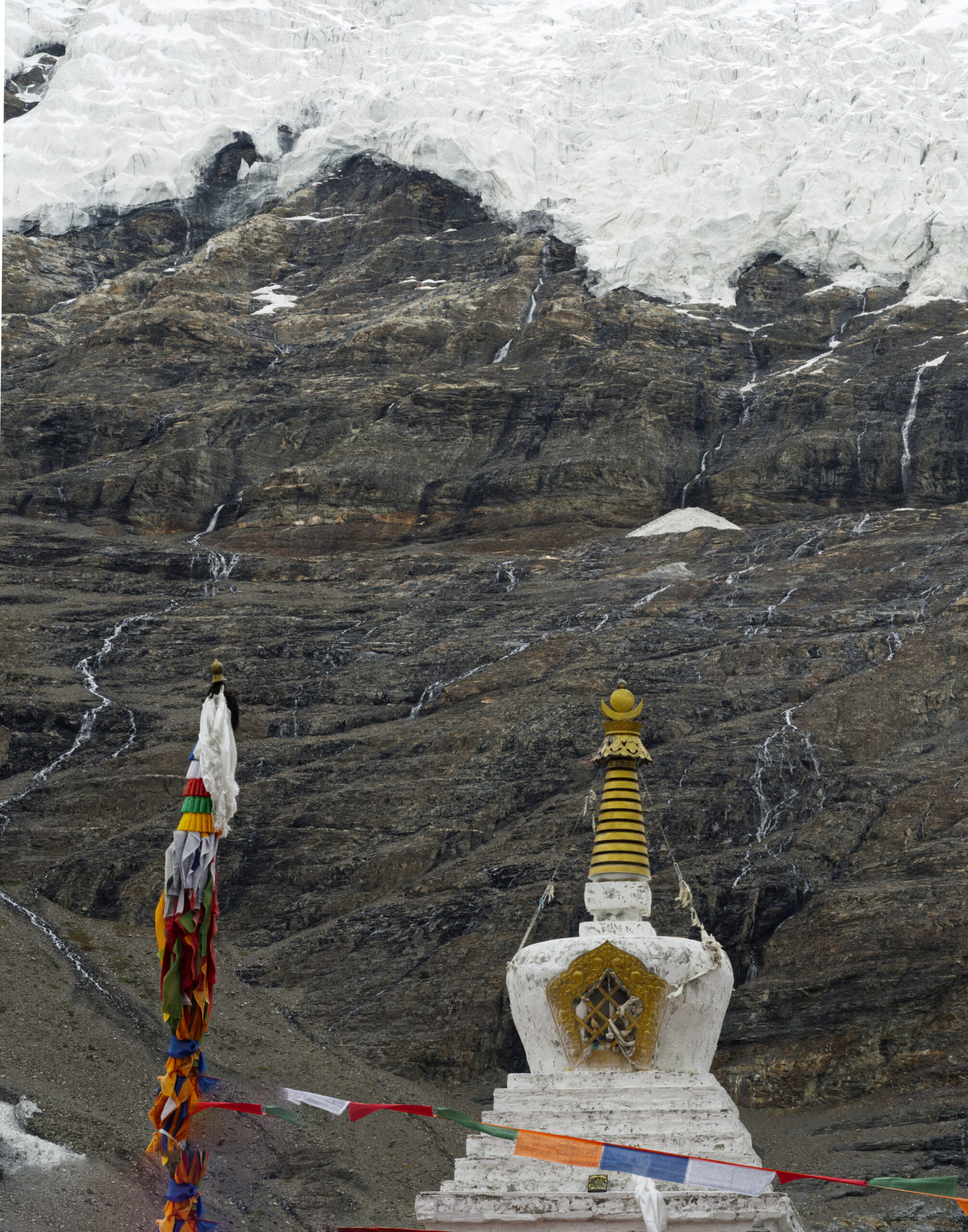
Stupas can be found anywhere. You can visit some in Maryland or Arizona in the United States, or marvel in awe at their beauty and form around the Tibetan Plateau, Madhya Pradesh in India, Bhutan, and Nepal. At least these are the areas I’m familiar with.
Some examples
The Great Stupa at Sanchi in India is one of the oldest stone structures in the country, representing Buddhist architectural brilliance. It was originally commissioned by the Mauryan emperor Ashoka in the 3rd century BCE and has since become a symbol of peace and enlightenment. The stupa is renowned for its intricate carvings and gateways, known as toranas, which are adorned with elaborate depictions of the Buddha’s life and teachings. These gateways face the four cardinal directions, inviting visitors to walk around the stupa in a meditative practice called pradakshina, meant to honor the teachings of Buddhism.
Nepal is riddled with them, in and around the city of Kathmandu and its valleys. The famous Boudhanath Stupa, a UNESCO World Heritage Site, is one of the largest and most significant in the world, attracting pilgrims and tourists alike with its majestic presence and spiritual significance. The stupa’s massive mandala makes it one of the largest spherical stupas in Nepal. Its white dome and towering spire are adorned with intricate prayer flags that flutter in the wind, carrying prayers of peace and compassion to the heavens.
The Ruwanwelisaya, in Sri Lanka, is a magnificent stupa that showcases ancient Sinhalese engineering. Constructed in the 2nd century BCE by King Dutugemunu, the Ruwanwelisaya, located in the city of Anuradhapura, is surrounded by lush gardens and statues that create a peaceful environment that invites reflection and mindfulness.
The Shwedagon Pagoda in Myanmar, adorned with gold and diamonds, is considered the most sacred Buddhist pagoda in the country. This lavish structure lies in Yangon, the capital city. The pagoda’s history is steeped in legend, with tales suggesting that it was originally built over 2,600 years ago, making it one of the oldest Buddhist stupas in the world. Then, again, each tradition claims to have a few sites that are the oldest in the world…

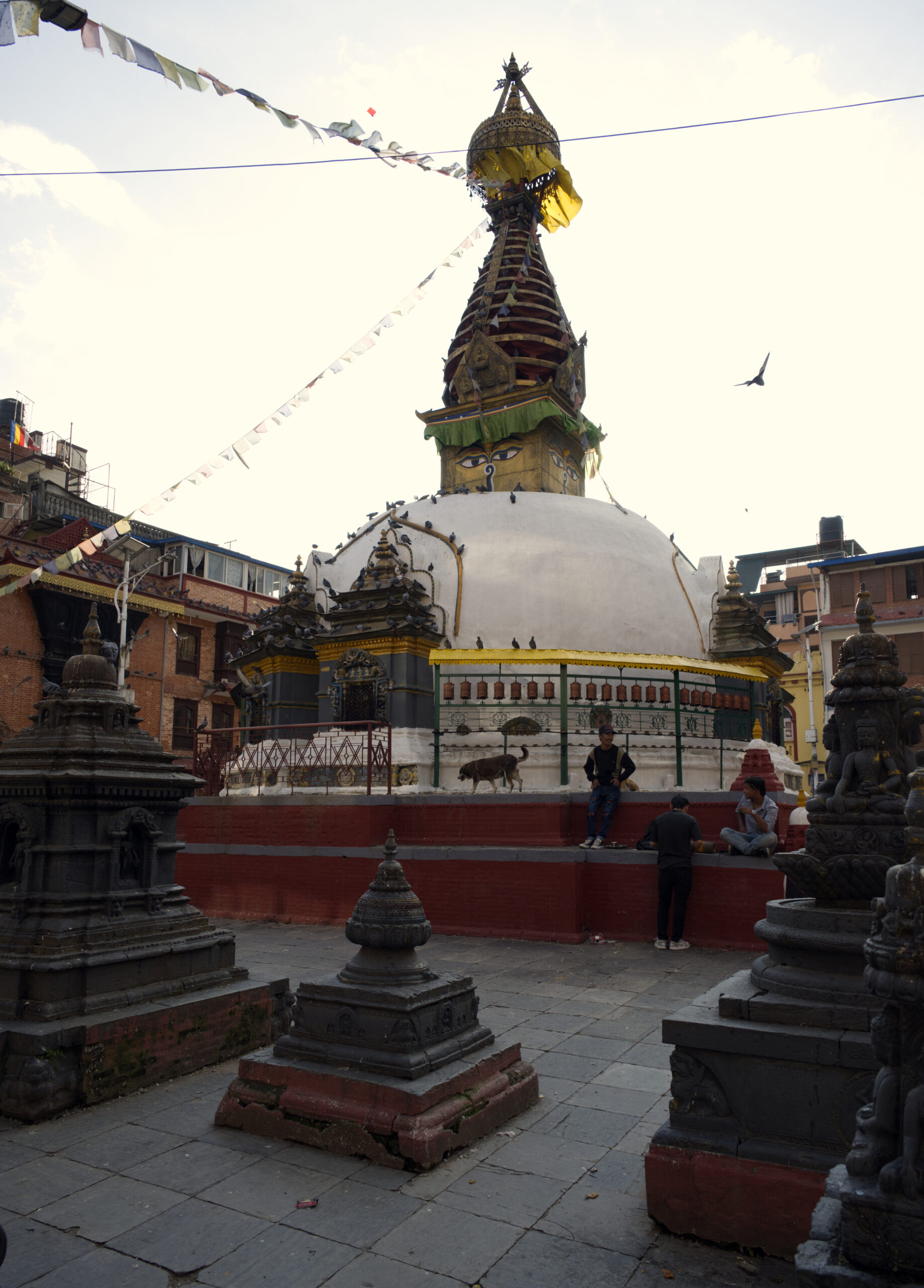
Meanwhile, the Tibetan Plateau is home to countless stupas, each serving as a reminder to the deep-rooted Buddhist mystical traditions and the devotion of the people who maintain them. These sacred structures, known in the Tibetan language by the name of Chorten, are usually adorned with a myriad of prayer flags and intricate carvings and hold profound spiritual meaning to the Tibetans, who look after them day and night, quite literally. Stupas in this region are considered places of meditation, reflection, and reverence. In Tibet, the Gyantse Kumbum is known for its unique design, housing countless Buddhist statues and murals.
On a personal level, and my thoughts are specific to Tibet more than other places in South or Central Asia, I find something profoundly transformative in observing the adulatory circumambulation that Tibetans consistently engage in around stupas. It is mesmerizing to witness them chant and appear to enter a trance-like state as they perform their rituals.
In conclusion, stupas are architectural wonders and markers of divine beauty, devotion, and deep inner peace and meditation. They stand as monumental reminders of life’s transient nature, and with their rich history and cultural significance, invite all who visit to pause and reflect. May the road lead you to lay eyes on one of them one day.
Until we meet on the road again soon.
Yours truly,
G.