It’s no secret that I like to play around with flavor combinations in my kitchen alchemy. I get bored easily of eating the same dishes time and again (exception made for some seasonal favorites), so adding variety to our diet is necessary to keep things interesting and avoid food ennui. Besides, studies have shown that having a varied plant-based whole food diet is essential to maintaining a healthy gut microbiome.
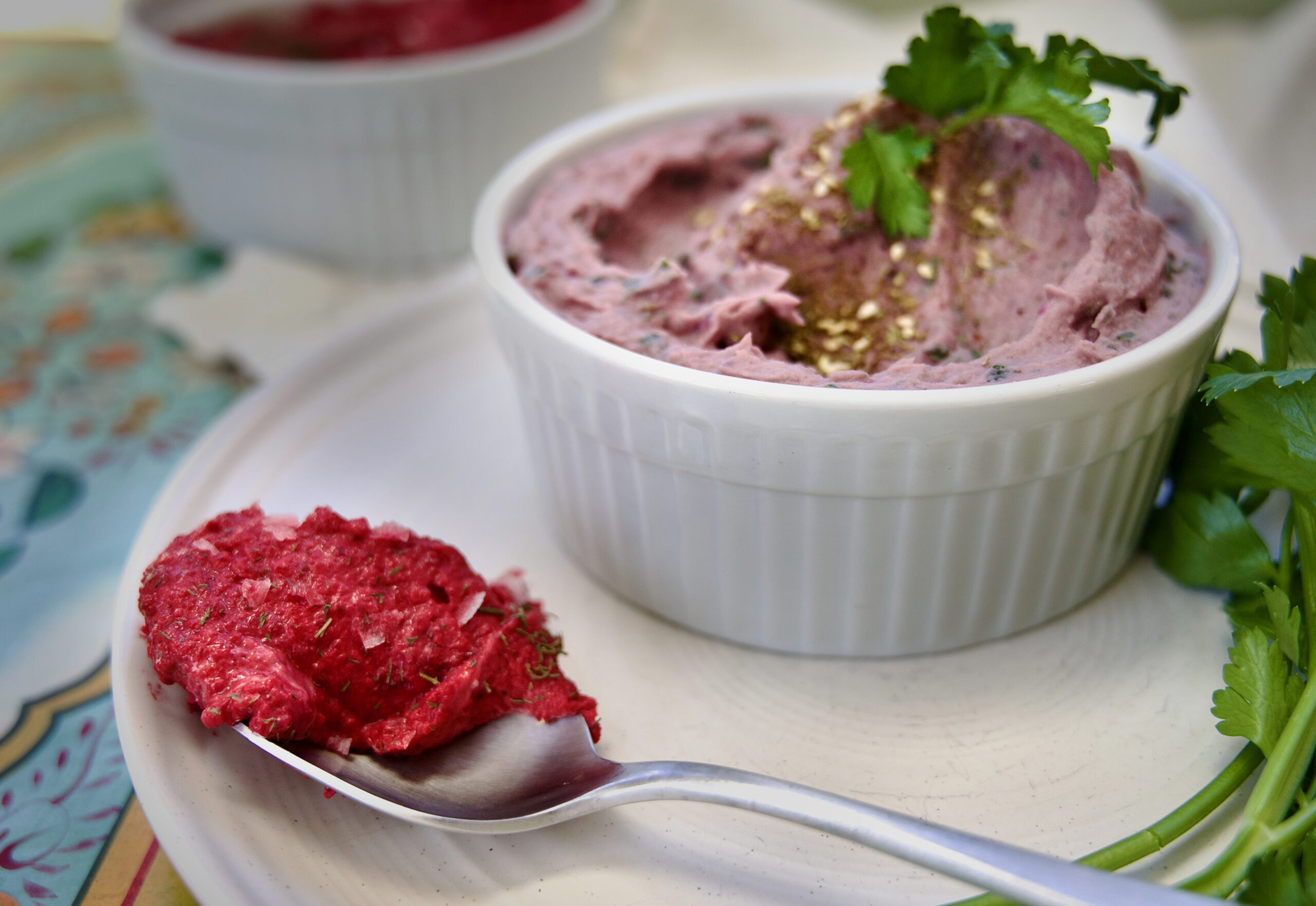
This hummus two ways recipe utilizes two legumes in separate batches: the classic chickpea and the overlooked cannellini bean. One hummus is zesty and zingy, while the other mild and earthy. Scoop them up with vegetable crudités or pita chips.
…and celebrate all colors of the rainbow
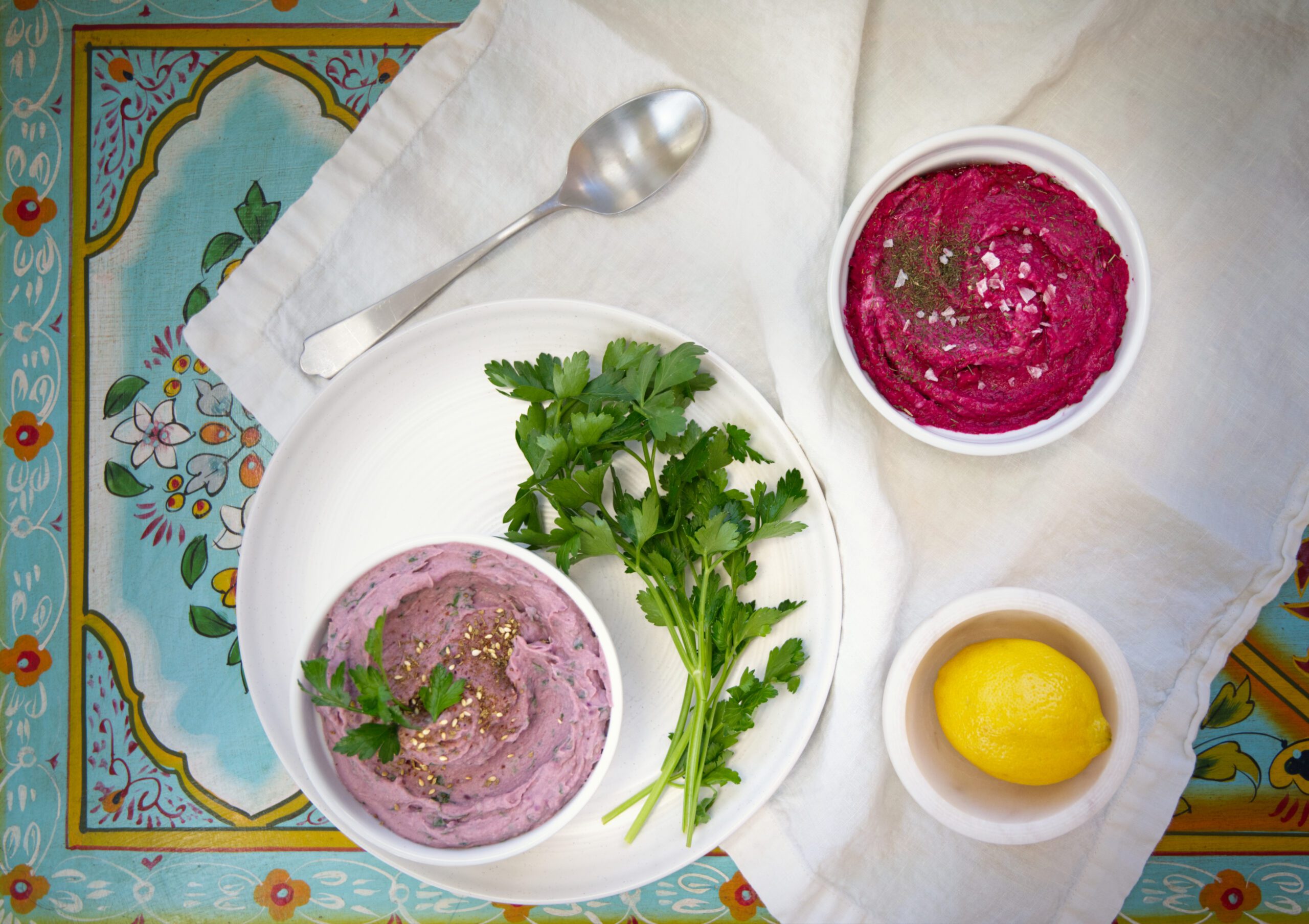
Prep Time: 30 min | Roast Time: 20 min | Serves: 6-8
Ingredients
Lemon Beet Hummus
- 1 cup chickpeas, canned or precooked if using dry beans
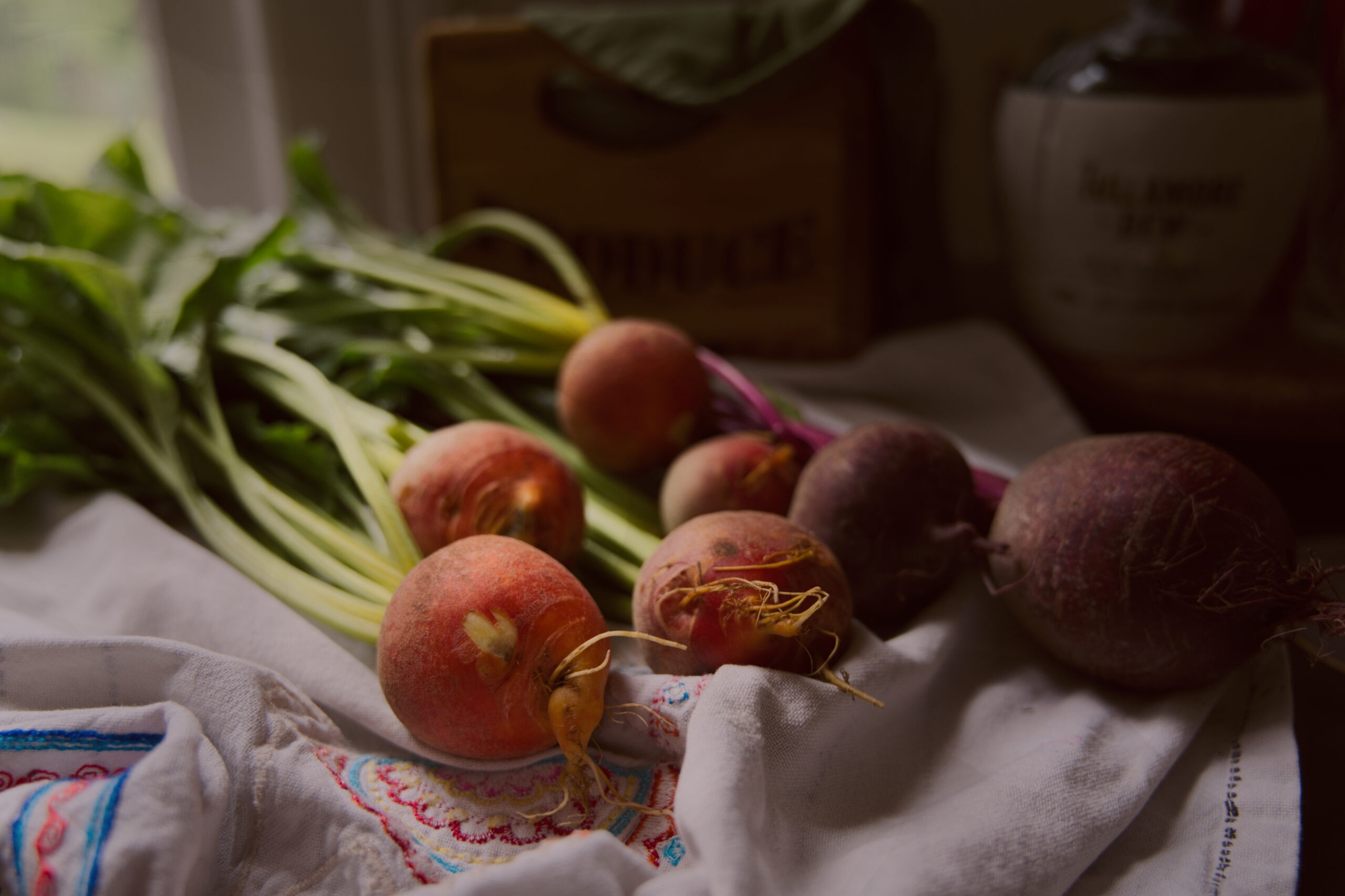
- 2 medium-sized purple beets
- 2 tbsp lemon juice, fresh
- 2 tbsp tahini
- 1 tsp zaatar
- 1 tsp lemon balm
- 1 tsp salt
- olive oil to roast the beets
ube parsley hummus
- 1 ½ cup cannellini beans, canned or precooked if using dry beans
- 1 small ube (purple sweet potato)
- 1 cup fresh parsley, minced
- 2 tbsp tahini
- 1 tbsp oil
- 2 tsp vinegar
- 1 tsp salt
- more olive oil to roast the ube
Method
Start with the lengthiest process, which is preparing and roasting the vegetables in this case.
Preheat the oven to 450° F.
Peel, quarter, and coat the ube and the beets in olive oil. Roast on an oven-safe dish for 18-20 minutes. Let cool before creaming with the legumes.
Put the first set of ingredients in a food processor and cream to obtain a spreadable mixture. Transfer to a bowl and rinse the food processor. Add the second set of ingredients to the food processor and cream to obtain a spreadable mixture. Add one more tablespoon of oil while blending if the mixture seems too stodgy due to the starchy ube. Transfer to a clean bowl and serve the hummus types with veggie crudités and pita bread crackers.
Keeps up to 3 days when refrigerated.
produce can be so insightful.
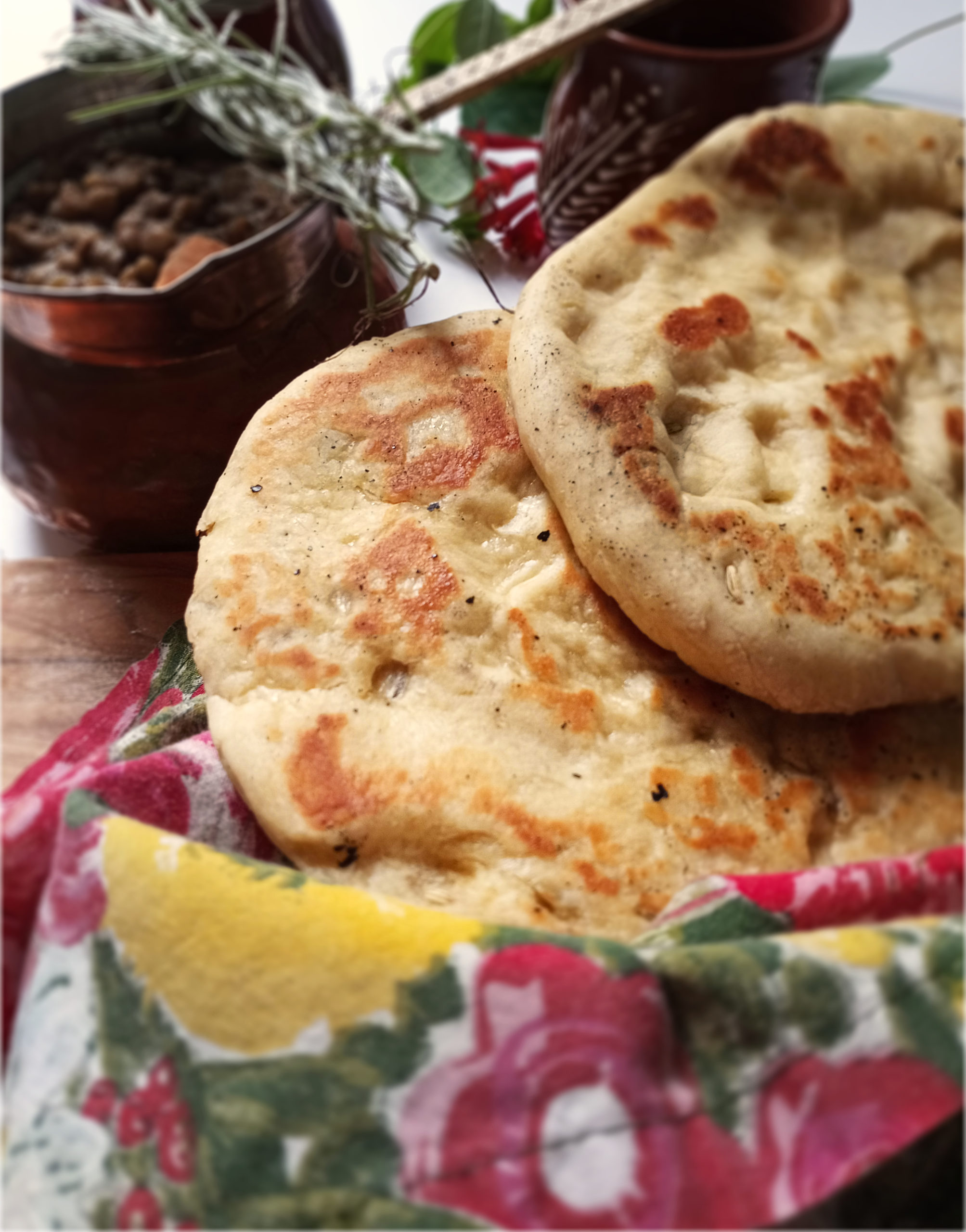
with its nooks and crannies, its lines and creases,
it becomes a portrait of the process of aging,
the acquisition of imperfections that makes each life unique and worth savoring to its vary last crumble