There are places that have the power to take you back in time and retrieve sensations that you’d long forgotten, like the softness of your first kiss. Places that you’d never seen before can look familiar, perhaps because of their distinctive scents and flavors, and can bring back those memories that don’t belong to you, but the collective history of humanity.
Some settlements in Umbria have this very power: to take you back to a slower and simpler time when life wasn’t an obstacle course hurdled with choices, too many choices; but rather life just happened, naturally, without a thought.
There isn’t a day that goes by in these off-track villages that the inhabitants don’t see each other, at the one bar or pharmacy, so the happenstance of someone new is an occasion for celebration. The stranger will at first be observed with suspicion and then welcome with a head nod, a smile, and maybe an escorted promenade followed by a friendly invite to partake in the “sagra”, a village fest with music, food, drinks, and games that protracts for days.
Where can you have this type of experience? Chances are that, if you move at the locals’ slow pace, these settlements will charm your soul and gently show you what the pleasure of having little to do actually does to one’s soul.
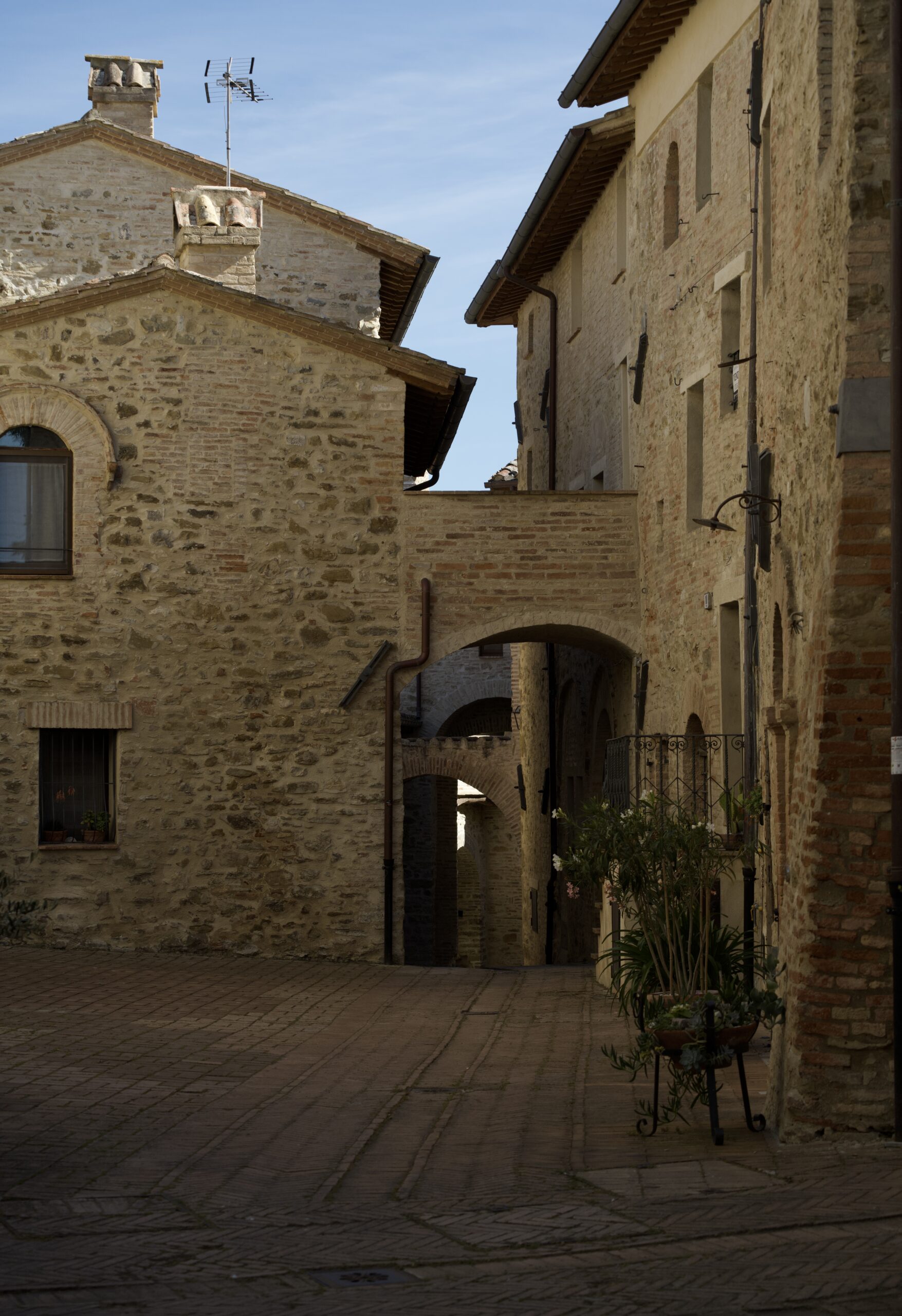
Castelleone
Starting from the very, very small, Castelleone is the quintessential Umbrian small village. There isn’t much in terms of restaurants and bars in the vicinity; there’re only people going about their lives, going to school, playing “calcetto” (an informal soccer match with five players per team) under the shade of the only church’s bell tower, having a lengthy chat with an acquaintance.
Tourism never came to Castelleone. An exclusive five-star resort was set to open a while back, but it never did. The locals don’t seem to mind that’s their enclave is still off the radar.
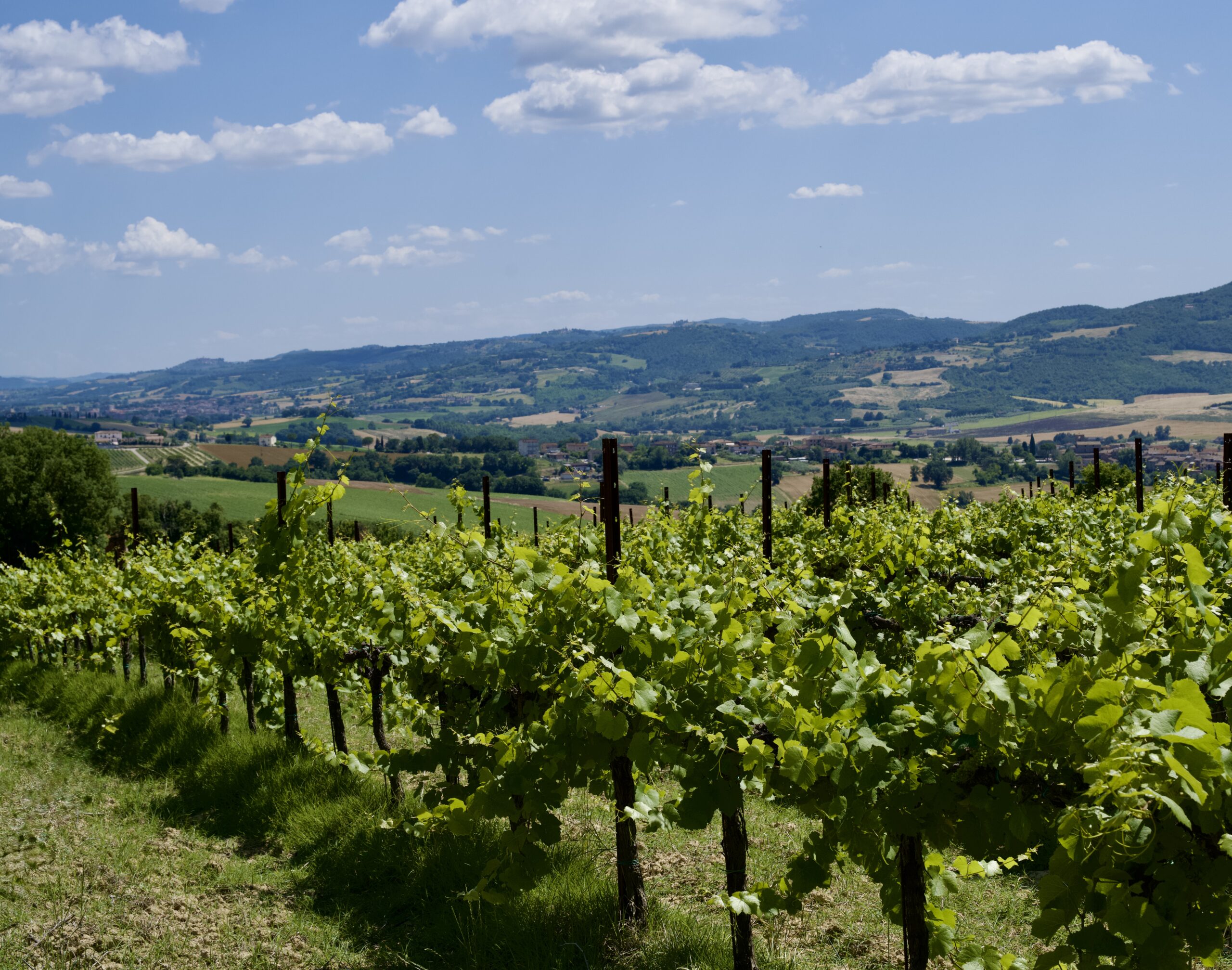
What to do in Castelleone
Castelleone is a great starting place for a bike ride to the lush and hilly countryside. Stop at one of the many “cantine” along the way for a restorative stop under a shady veranda. A cantina is wine-producing vineyard that offer wine tasting tours. Grechetto is the local grape, so ensure you try a glass of Grechetto wine with a side of black truffle bruschetta.
Activity: take a soulful bike ride in the hilly countryside.
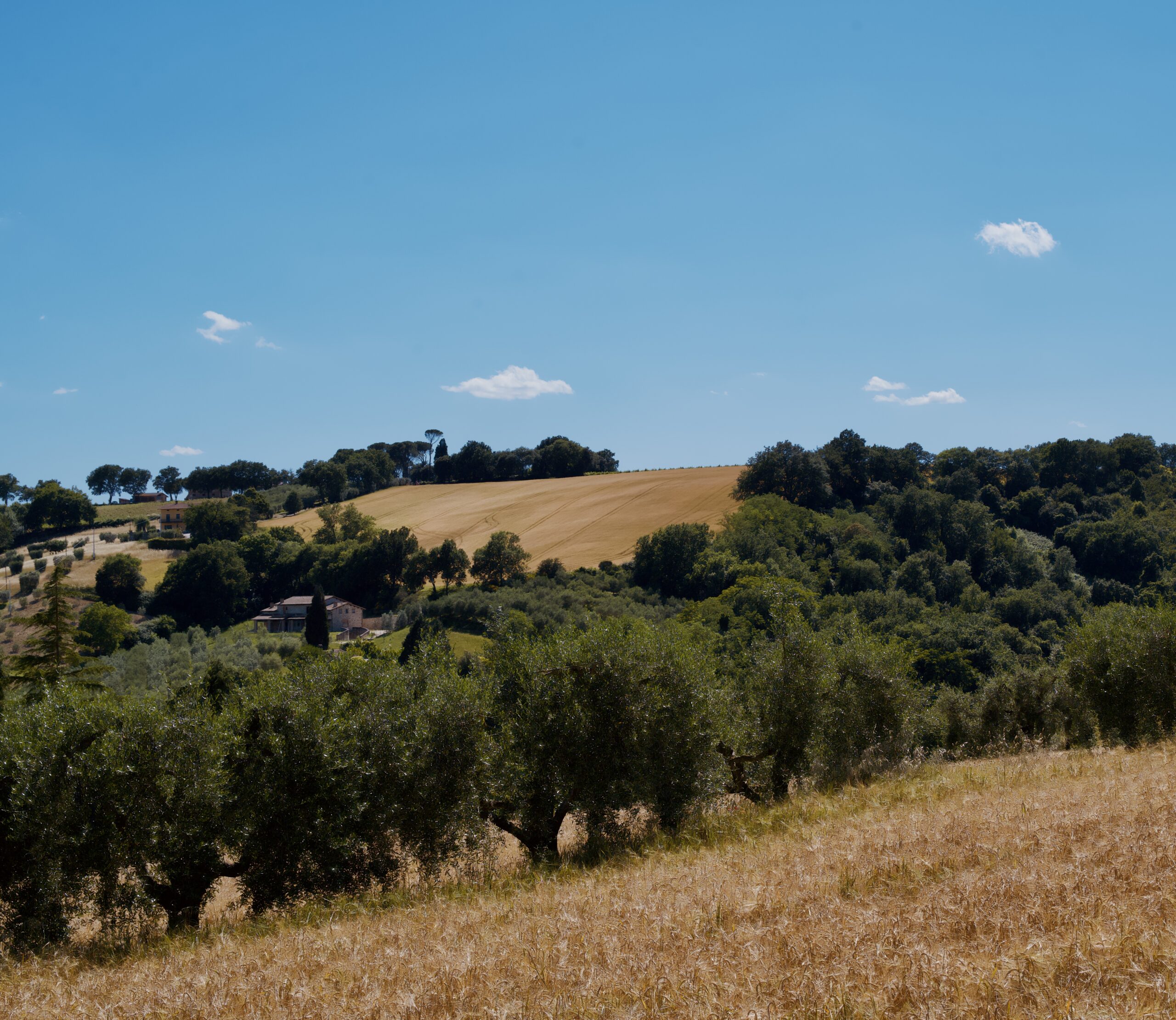
Cerqueto
A village of roughly 600 inhabitants amidst the rolling wheat fields and only 40 minutes away from Perugia, Cerqueto is a place where history and Renaissance art intertwined centuries ago. It is said that Pietro Vannucci, commonly known as Il Perugino, took shelter from the bubonic plague as he was making his way to Perugia. It was the year 1478 when he frescoed the Chapel of Santa Maria Magdalene in the Church of Assumption of Mary, tucked behind the main town’s main and only square.
Known for his serene and harmonious compositions, Perugino’s work is characterized by its delicate use of color and graceful figures. His influence extended beyond his own creations as he also played a significant role in mentoring the young Raphael, who would go on to become one of the most celebrated artists of the Renaissance.
What to do in Cerqueto
Here, too, there isn’t a tourist infrastructure set up, though you can find a couple of farm-to-table family restaurants with a set menu of the day. They will serve that, and that only.
My advice is that you browse around town and then ramble on a path flanking a wheat field, perhaps to forage for wild berries and medicinal herbs, if you so like. Otherwise set on a slow journey into endless fields of gold. Even if you aren’t endowed with any artistic inclination, bring along a sketchbook. When you reach a clearing, sit down on the sun-kissed earth and paint the landscape, the way your eyes see it. The place is particularly adept to be reproduce in watercolor because of its blurred horizons and muted colors. It’s a nice feeling to connect with the spirit of past artists that roamed these lands and, in all likelihood, sketched the same lines over half a millennium ago.
Activity: souldful artistic pursuits just to ground yourself to the land.
Deruta
Deruta is renowned worldwide for its exquisite ceramics. The town’s rich history and dedication to craftsmanship have made it a beacon of Italian pottery, attracting artisans, collectors, and tourists alike.
The tradition of ceramic production in Deruta dates back to the Middle Ages, with its peak during the Renaissance. The town’s strategic location along important trade routes contributed to its development as a ceramic hub. Deruta ceramics have been cherished for centuries, with many pieces found in historic collections and museums across the globe.
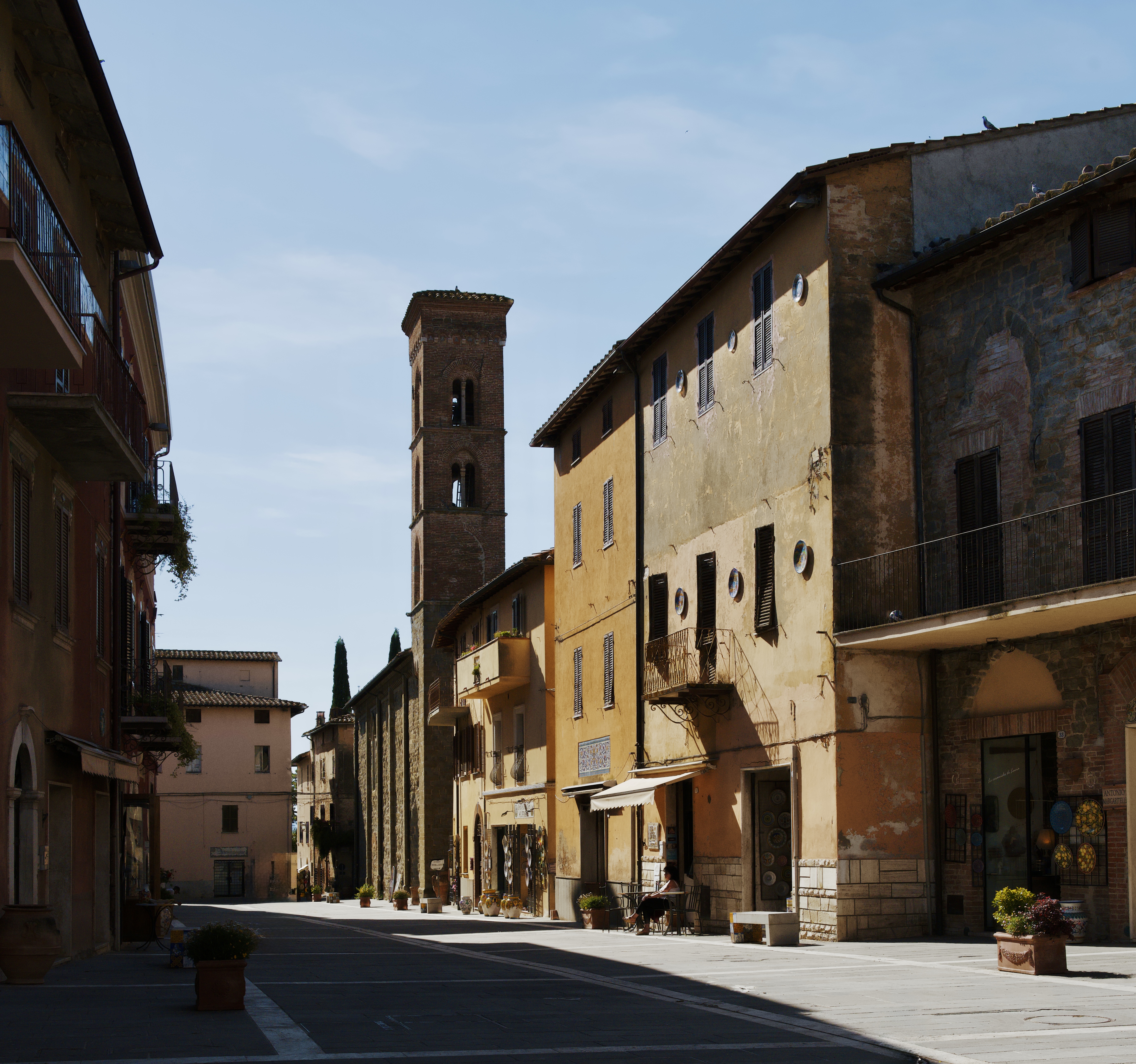
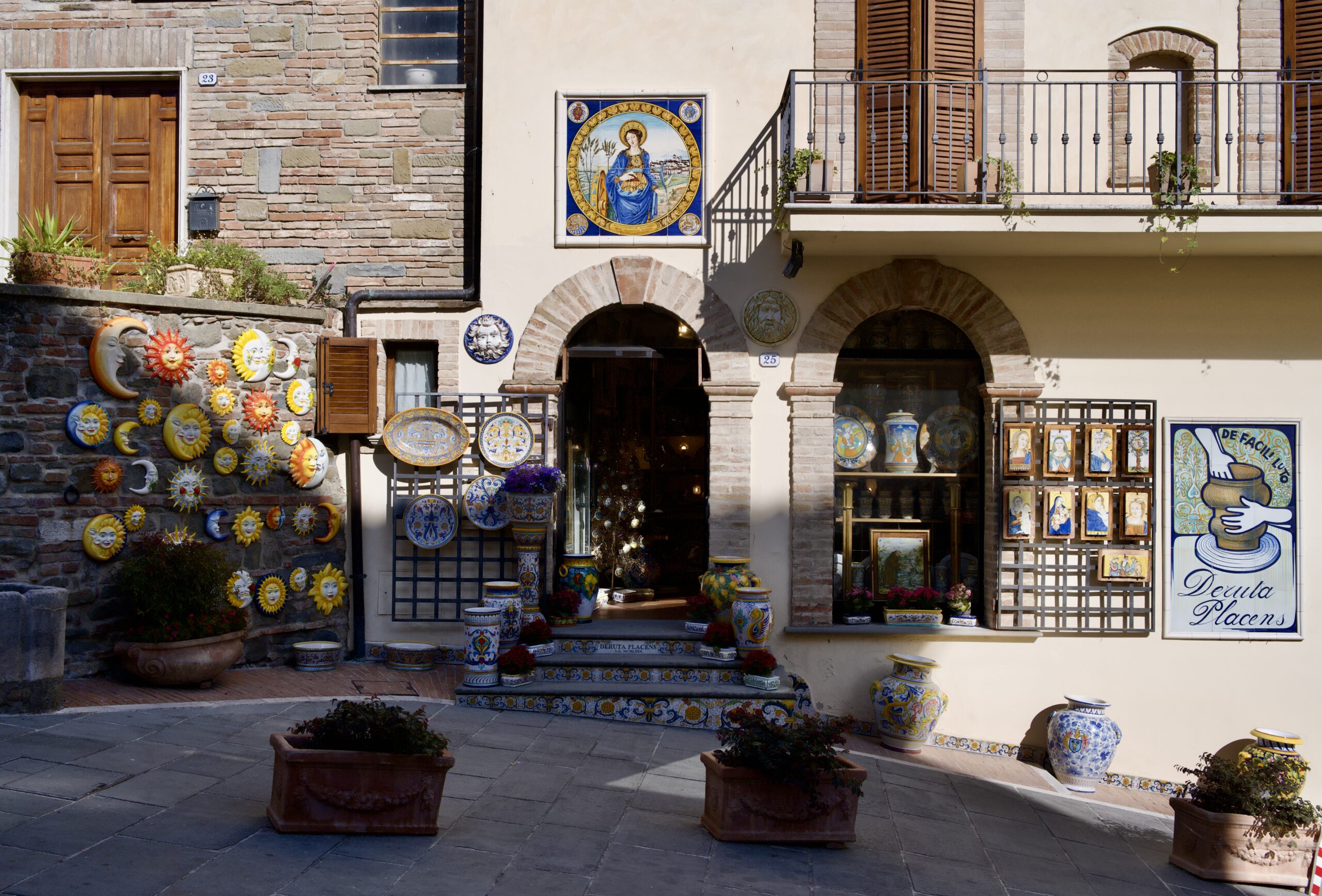
What to do in Deruta
Unlike the previous borghi I wrote about above, Deruta has a modern side to it, with tall apartment buildings, supermarkets, and other services. When you arrive, leave your vehicle car at a parking facility outside the old city walls and hike your way up to the “Via Delle Ceramiche”, a designated path weaving through workshops, ceramic museums, and markets.
Some shops may have pottery studios that offer demonstrations. Ask the attendant where to go to witness the artistry in the making. Deruta ceramics are distinguished by their intricate designs, namely the “Ricco di Deruta”, patterns in vibrant blue, yellow, and emerald colors. Artisans employ traditional techniques passed down through generations to mold and glaze the item, ensuring each piece remains faithful to meticulous craftsmanship. The use of rich, vivid glazes and detailed brushwork characterize the distinctiveness of these types of ceramics.
Activity: Become acquainted with the Deruta ceramics and revel in their many colors.
Spello
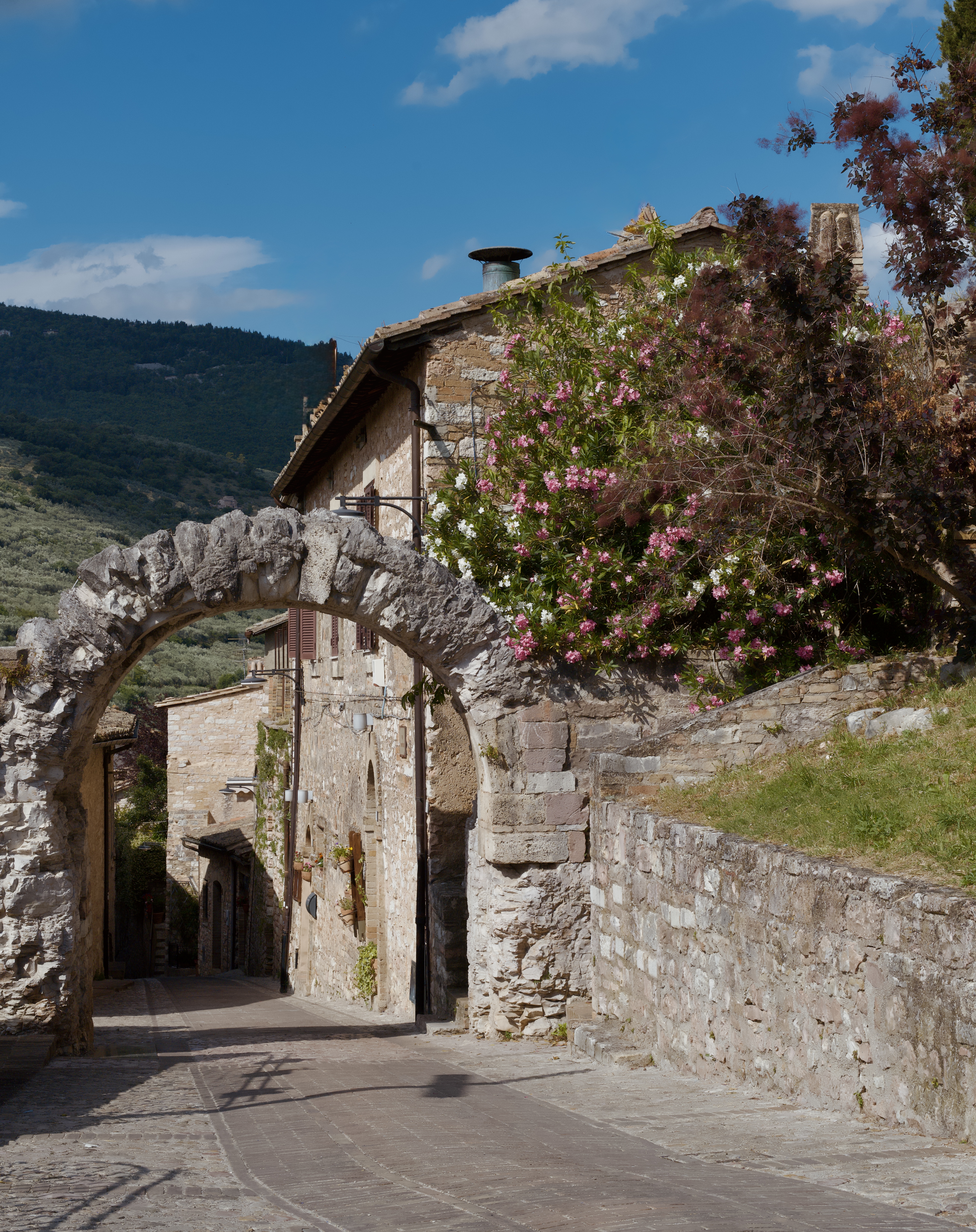
Spello’s history stretches back over two millennia, with its origins rooted in the Roman Empire. The village still retains remnants of its Roman past, including the Porta Venere and Porta Consolare gates, which served as entrances to the town. Perhaps best known for its Infiorata, a blooms festival where people compete in composing images, of both sacred and secular nature, merely using flowers as a medium. This reverie of color and scent takes place in early to mid-June. No worries if you aren’t there for this event – there are other reasons why Spello is worth the visit.
Surrounded by olive groves and sloping hills, Spello offers breathtaking views of the Umbrian landscape. The village’s elevated position allows for stunning vistas, particularly at sunset when the sky is painted with hues of orange and pink. The nearby Monte Subasio Regional Park provides ample opportunities for hiking and exploring the natural beauty of the land.
What to do in Spello
Spello is a haven for food enthusiasts – in truth the entire region is, with inhabitants from surrounding areas flocking in every weekend to taste the local delights, but Spello is particularly prominent in the indigenous gastronomy. Visitors can enjoy a meal at one of the village’s cozy trattorias, where traditional Umbrian dishes, such as stingozzi (a special cut of fresh pasta) with truffle sauce, are served with an inventive twist. The local extra virgin olive oil, often referred to as “green gold,” is a must-try, as it is considered some of the finest in Italy. You’ll inevitably notice an abundance of storefronts advertising “oro verde di Spello”, which is this fine, cold-pressed olive oil served ubiquitously in restaurants. The oil is also available for purchase from any shop in town.
Behold! Olive oil isn’t solely, and abundantly, used in their cuisine, but in soaps and cosmetics as well. If you want to buy a small souvenir, or something fragrant like a floral natural cologne, Spello is the place. You’ll find a delightful array of artisanal cosmetics, each crafted with care and dedication to quality and sustainability and infused with the bounty of their land. The natural colognes are particularly enchanting, as they capture the essence of the region’s blooms in every spritz, making them a perfect gift or a personal treat.
Activity: Eat at a local trattoria that serves farm-to-table specialties and shop for souvenirs.
Visit the photography shop to find the travelscape that speaks to you. Different sizes and formats to choose from are available. Need something custom-made? drop us an email at gloriap@apronandsuitcase.com
Bevagna
By now you’ve realized that the Perugia Province, where this article lays its scene, harbors an extraordinary worth of historical, cultural, and culinary importance. Therefore it won’t come as a surprise that Bevagna, the fifth and last locale on my list, and also my favorite, is also a delightful town with a rich humanitarian patrimony and food scene.
One lesser-known aspect about Bevagna that I find fascinating given my background in archaeology is that it has a Roman-era bathhouse, with intricate heating systems and well-preserved structures. Built in the 2nd century CE, this site sat at the crux of an important network or routes, in this case Via Flaminia, which is still in use today, like countless other Roman highways. Archaeological excavations have unearthed intricate designs and structures, providing valuable insights into the cultural and social practices of the Roman era, much like those in Pompeii near Naples. The mosaics in the bath house depict scenes of mythological figures, marine animals (octopi, dolphins, etc.), and geometric patterns, showcasing the skilled craftsmanship and aesthetic sensibilities of the artists of that time.
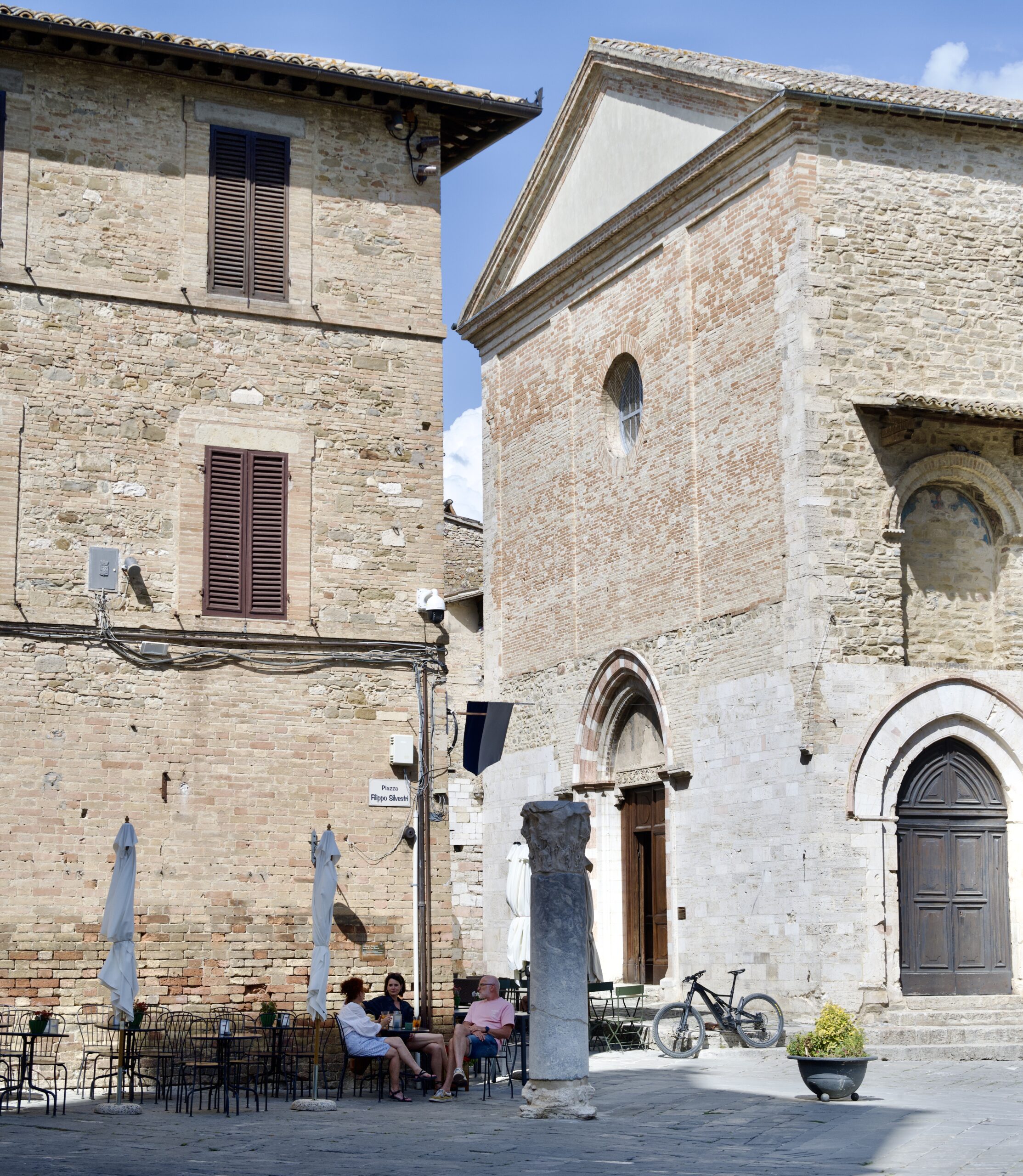
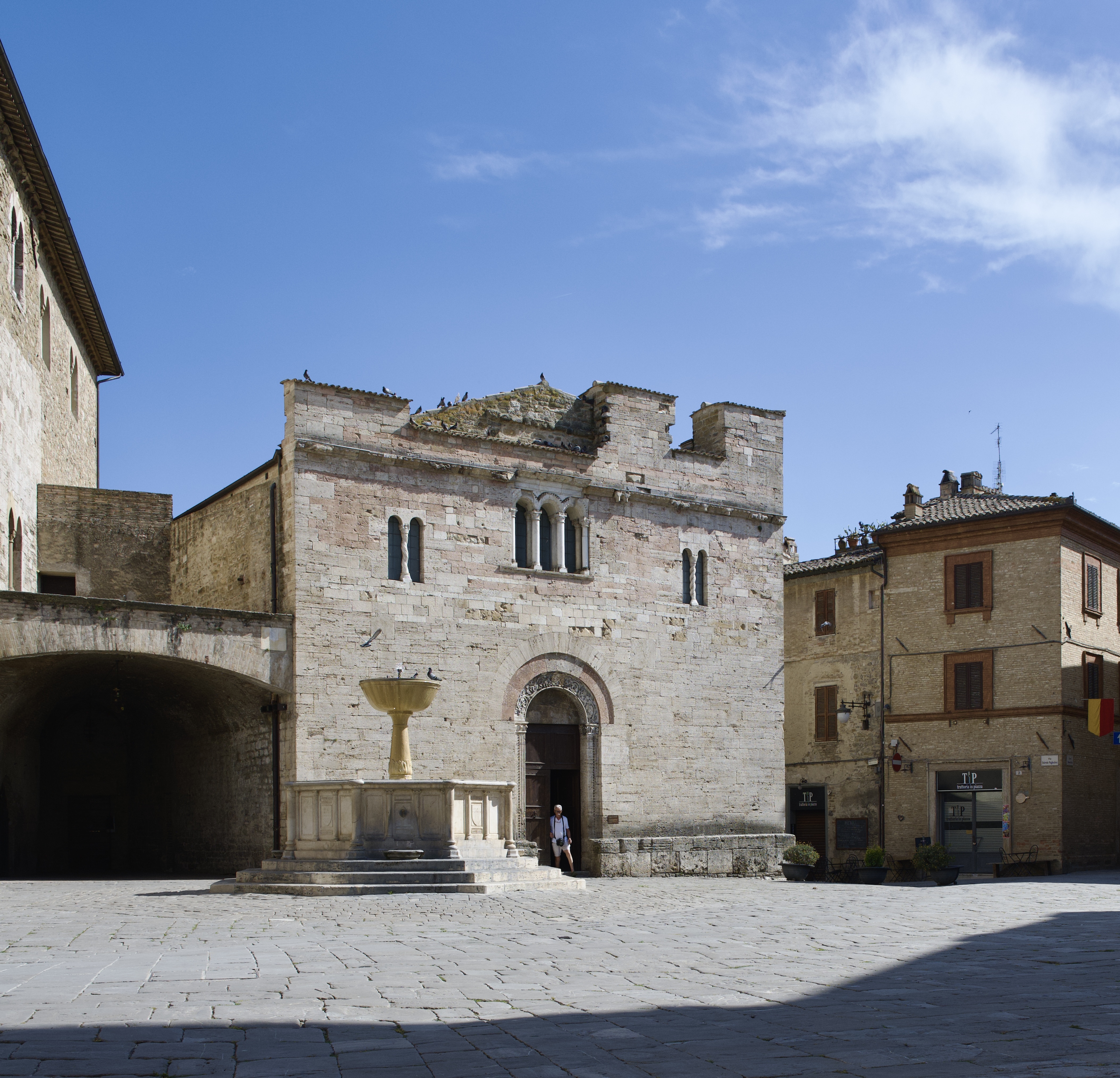
Abandoning the Roman era and proceeding further along the path of history, Piazza Silvestri is a medieval town square renowned for its harmonious architectural ensemble of the Romanesque Church of San Michele Arcangelo and the Gothic Church of San Silvestro. The square served, and it still serves, as the main social hub of the town, where locals and visitors alike gather to partake in markets, festivals, and communal activities. The cobblestone paths and the stately Palazzo dei Consoli add to the picturesque atmosphere, making it a perfect spot for leisurely strolls and absorbing the timeless beauty of this enchanting Umbrian town.
What to do in Bevagna
Ha! This is a tough one because I throughly enjoy just the action of being in a place so imbued in history and traditions. Walk, walk. Walk up and down the alleys, over the bridges and in through the city wall gates. Peek, peek. Peek at the secluded inner courtyards and balconies abounding with plant life. Just take it all in, and feel the many layers of stories past unfolding around you.
Activity: Learn to be, observe, and feel a working part of a bigger story.
Find our indie magazine also on Substack @sensiblemagazine
Enjoy the journey, not just the destination. Along the way, you’ll encounter moments that shape your path, teach you valuable lessons, and create lasting memories. Each twist and turn offers an opportunity for growth and self-discovery. Embrace the slowness, savor the small trivialities, and find joy in the present. It’s these experiences that enrich your life and make the destination all the more rewarding when you finally arrive.
Until we meet on the road again soon.
Yours truly,
G.