Deep into the recesses of the Andes, the Quechua people have long thrived amidst some of the most breathtaking and challenging landscapes on Earth. Known as the descendants of the Inca, their rich cultural heritage is as vibrant as the mountains they call home. Among these majestic peaks lies the Salkantay Pass, a natural corridor that has witnessed the passage of countless travelers over centuries.
Sure, everyone’s heard of the legendary Inca Trail, but the Salkantay Pass is the hidden gem offering a wild and wonderful trek through these craggy mountains. This high-altitude pass is part of the Salkantay Trek, an alternative to the more popular and less strenuous Inca Trail for reaching Machu Picchu. For however demanding the journey to Salkantay Pass may be, it offers an unforgettable experience for those ready to take it on. As you tackle the Salkantay Pass, you’ll wander through misty cloud forests, chill in alpine tundra, and tiptoe across icy expanses, each teeming with magnificent sights.
The Logistics
The trek to Salkantay Pass is physically onerous. It typically takes about four to five days to complete, covering a distance of approximately 74 kilometers (46 miles). The path is rugged and features steep inclines, rocky terrain, and narrow paths. Trekkers must be in good physical condition to manage the long days of hiking, which can last anywhere from 6 to 8 hours. Proper preparation is key to successfully reaching Salkantay Pass. Many trekkers choose to hire a native guide, or join a guided tour, to be provided with support and contingency safety measures, should an unfavorable situation arise, and also to acquire knowledge about the terrain, plant medicine, and history of the area.
Logistically, planning the trek involves arranging transportation to the starting point, often in the town of Mollepata, and securing any necessary permits. Trekkers should also plan for food, water supplies, either by carrying their own or arranging for meals through a tour service, and oxygen tanks.
The Wild Mountains
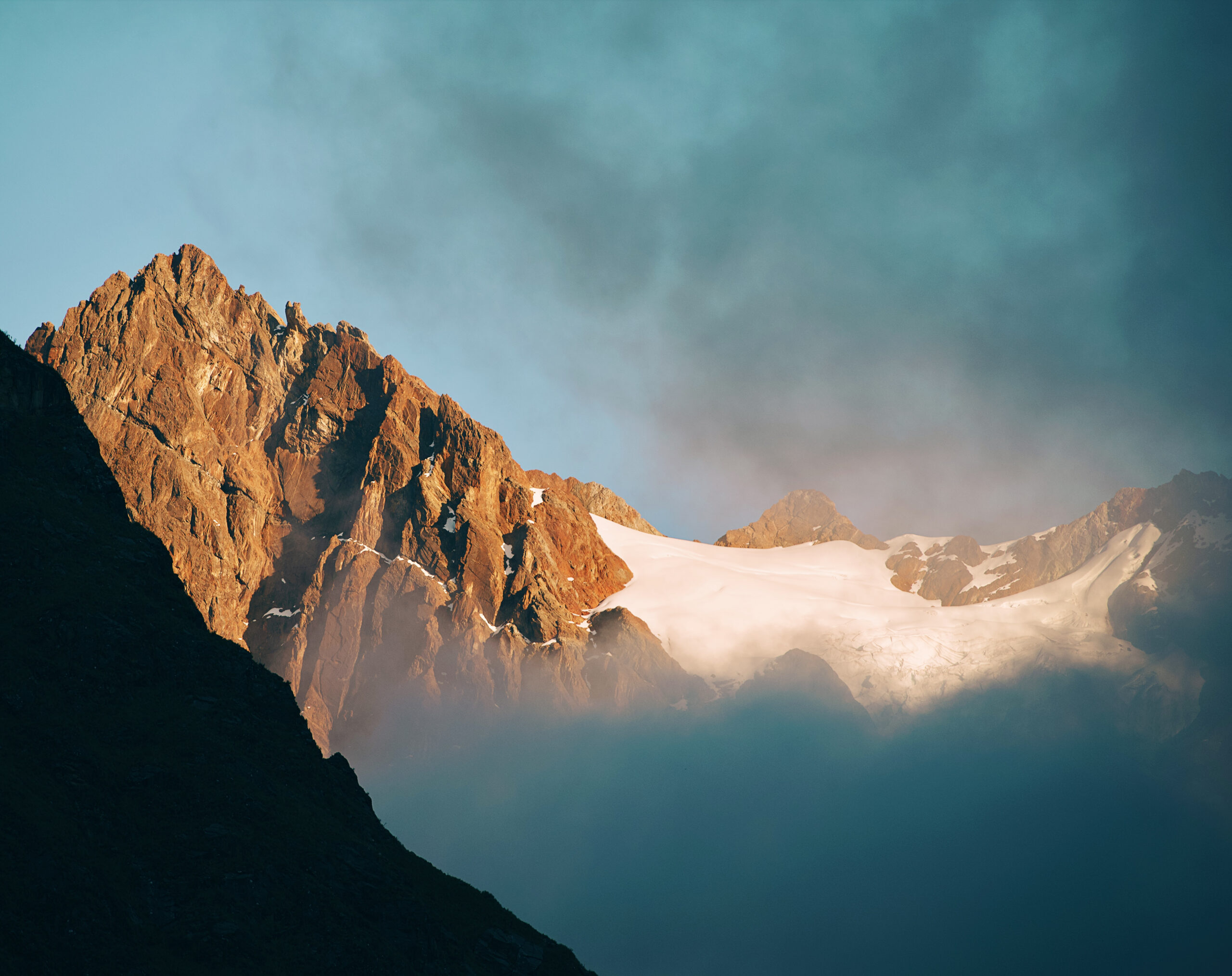
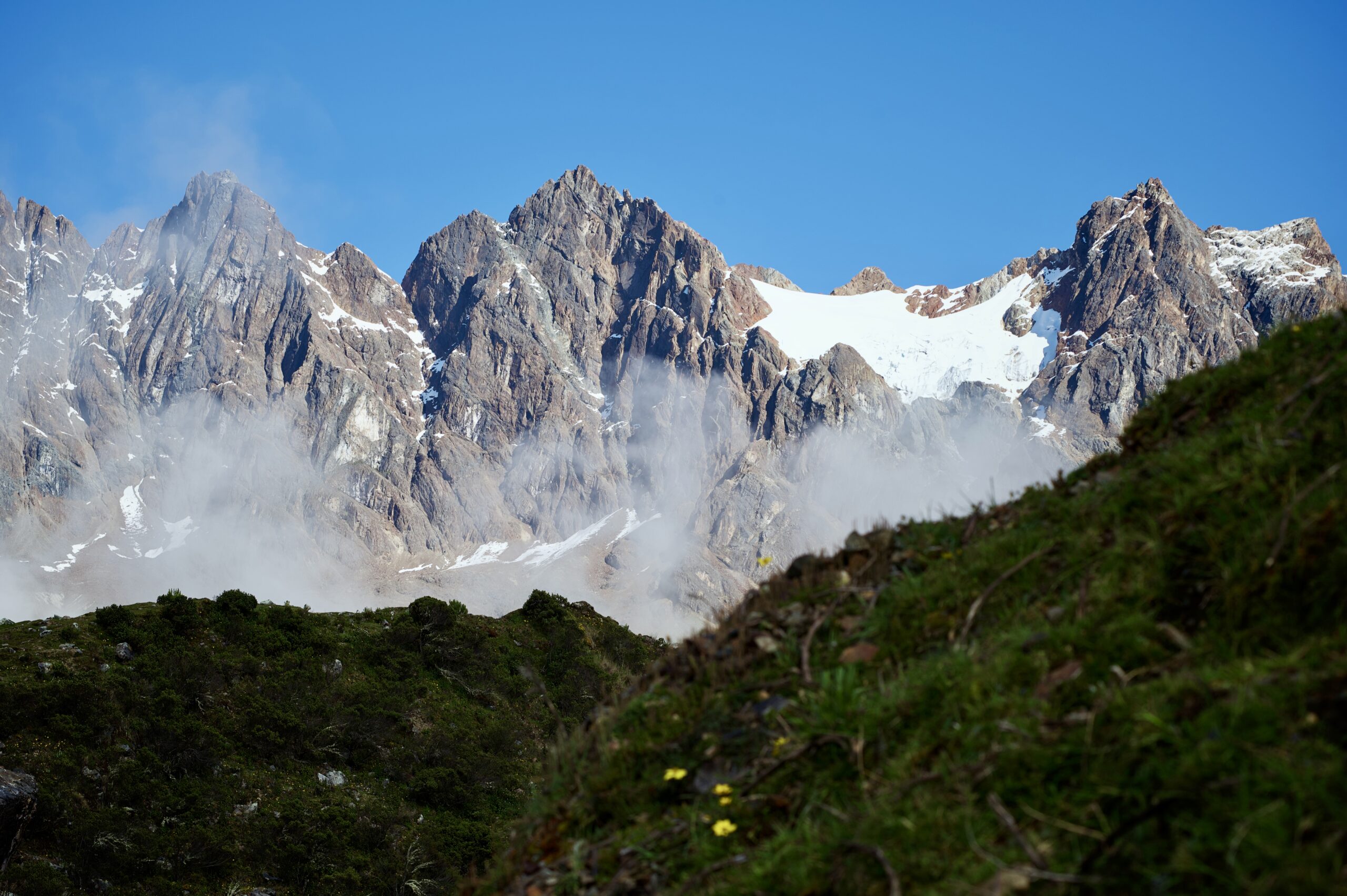
The Salkantay Pass, named after the towering mountain baring the same name, stands as a formidable, awe-inspiring gateway to the diverse ecosystems of the region. Rising to an elevation of over 15,000 feet (4,570 m), it is one of the geological wonders of the Andes and a spiritual and cultural landmark for the Quechua people, as well. For them, this rugged terrain is more than just a pathway; it is a sacred link between their ancient traditions and the modern world, a connection extending from Earth and the corporeal life into the Skies and the otherworldly realm. The peak is a pathway where the material and spiritual worlds intertwine with each step taken. The body ascends while the spirit sways into a meditative dance with the earth below and the sky above.
Quechua Cosmology
Salkantay, towering at 20,574 feet, is one of the highest peaks in the Peruvian Andes. Its name, derived from the Quechua word “Salqa,” meaning “wild” or “uncivilized,” reflects its imposing presence. The Quechua cosmology considers “Apus”, omniscient mountain spirits, the protectors of the people and the land. Believed to possess immense power, the Apus are deeply respected and revered. Salkantay, as an Apu, is thought to guide and watch over the inhabitants of the region.
As a result, followers of Quechua animism provide pagos (which translates to “payment”) through ritualized acts of giving to honor Salkantay’s Apu and to request its protection and blessings. These offerings often consist of cacao, coca leaves, or a blend of both mixed with the ash of sacred plants.
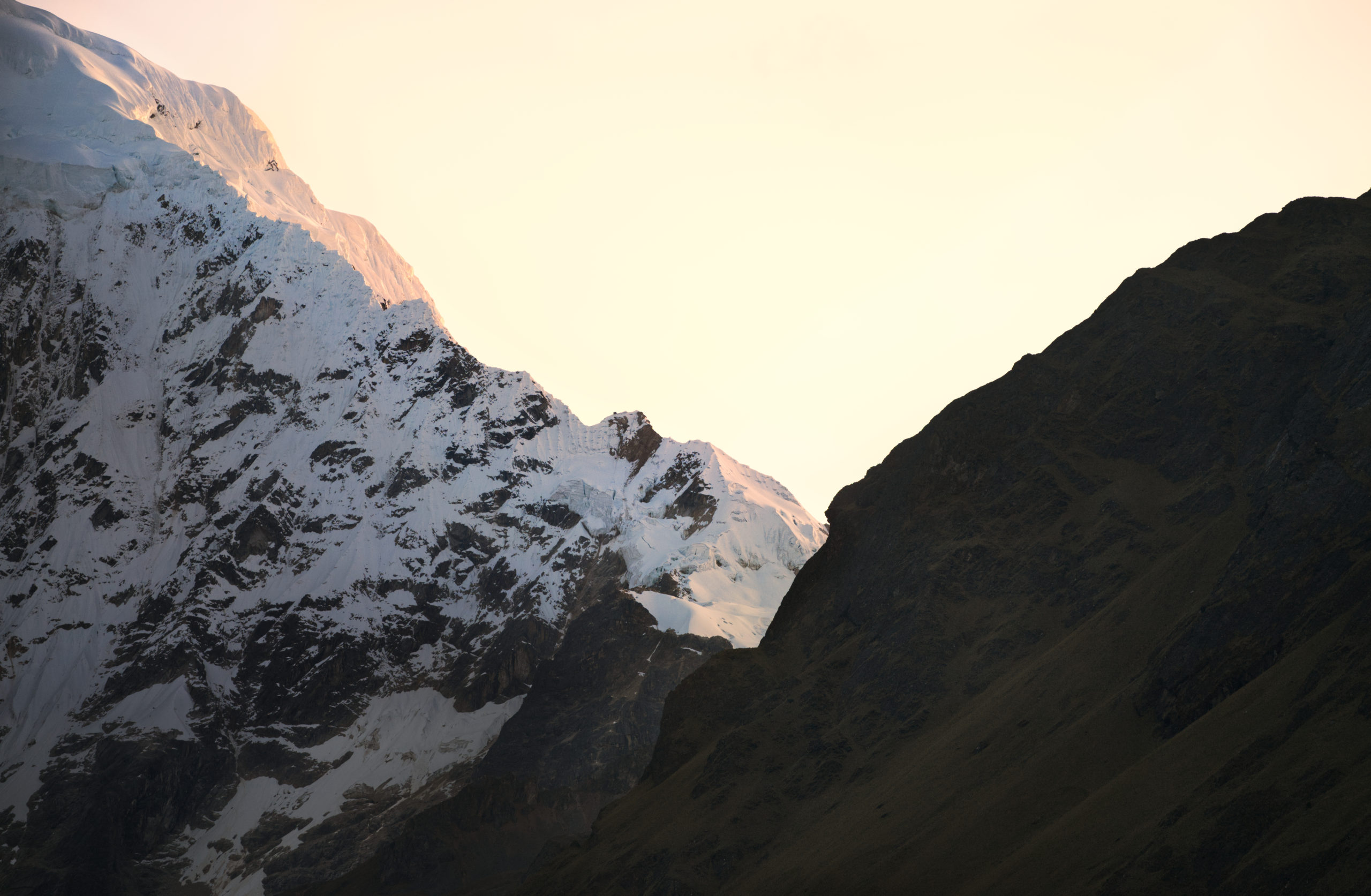
Water holds immense importance in Quechua sustenance, particularly due to its role in agriculture. The clean glacial waters from mountains like Salkantay are crucial for irrigation, ensuring the growth of crops that feed the community. This essential resource supports physical nourishment while also playing a spiritual role in their cosmology, as water is seen as a life-giving element that connects the living to their ancestors and the thus the divine.
As for many other civilizations that haven’t lost touch with the fundamental human needs that govern life, like we have in our hyper-modern, fast-paced society, water symbolizes life and continuity, reinforcing the deep bond between the community and their natural environment.
Get in touch if you wish to speak with us or pitch ideas for Sensible Magazine. Our email is: editor.sensiblezine@apronandsuitcase.com
Find us on Instagram for travel inspiration and more photography.
Find us on Substack @sensiblemagazine
Humantay, the Turquoise Waters
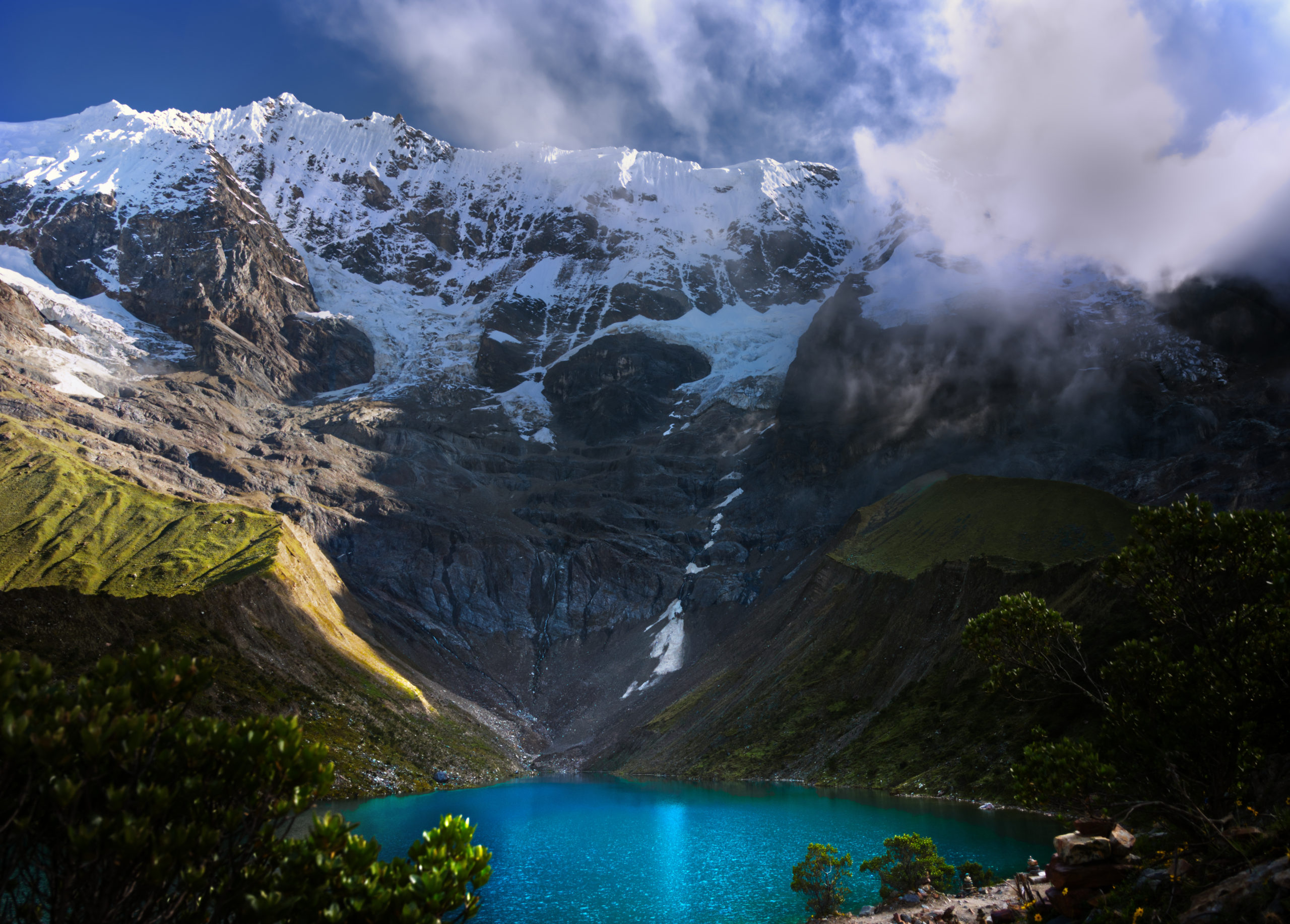
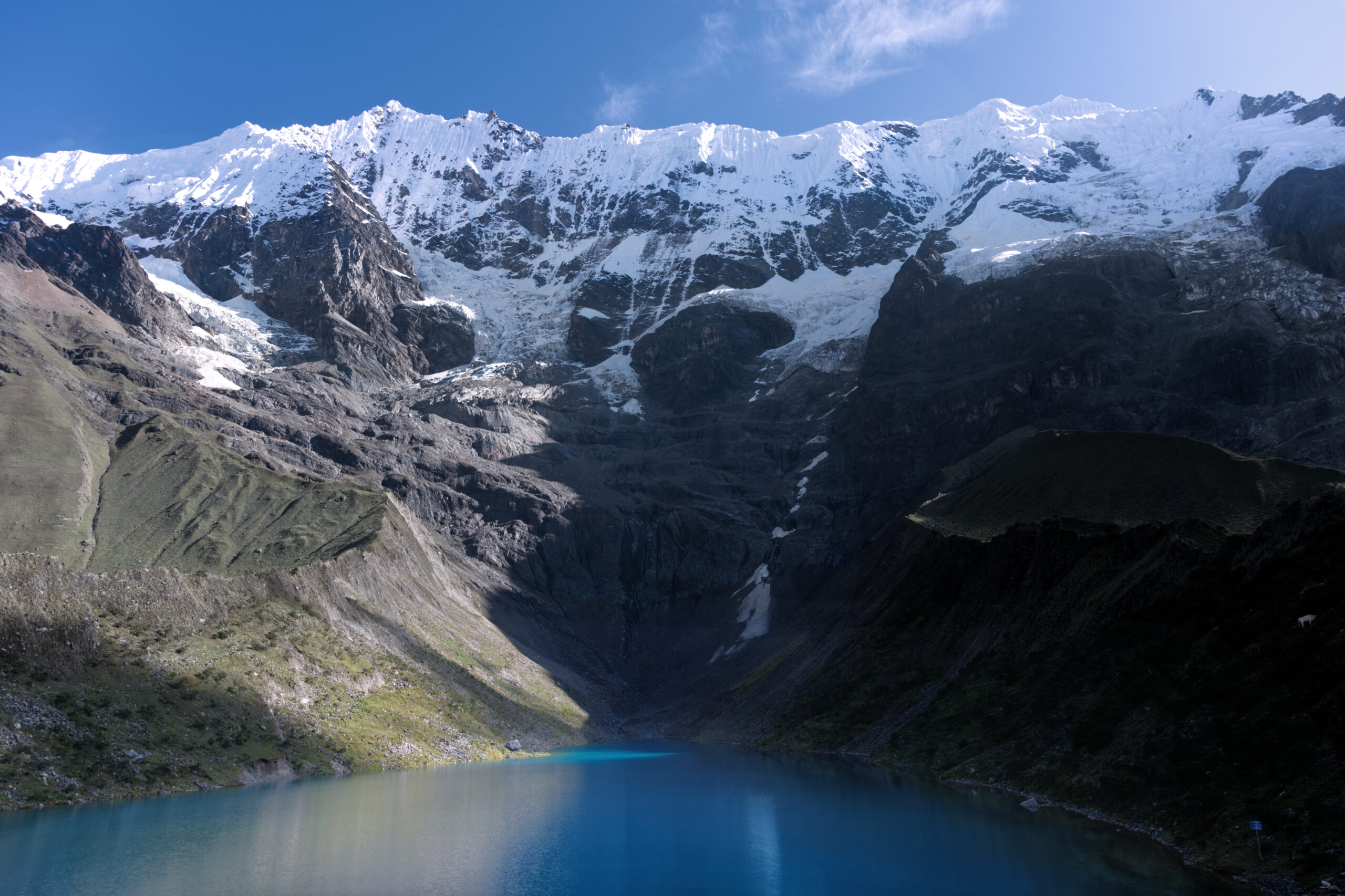
Beneath the imposing presence of Salkantay lies Humantay Lagoon, a breathtaking turquoise gem revered both for its beauty and spiritual significance. The vibrant blue hue is a result of the mineral-rich water derived from the melting glaciers of the surrounding snow-capped mountains. The minerals, primarily copper and calcium carbonate, are washed down into the lagoon, giving it the unique blue-green color that brings in visitors and local alike. The lagoon sits at an elevation of approximately 13,780 feet (4,200 meters) above sea level, making its waters even more remarkable against the rugged mountainous backdrop.
With regard to spiritualism, the Quechua believe that Humantay Lagoon is a sacred source of life. The pristine waters, fed by the melting glaciers of Salkantay, symbolize purity and renewal. The lake is often a site for spiritual ceremonies where offerings, the pagos I mentioned in the preceding section, are made to Pachamama, the Earth Mother, to express gratitude and ask for blessings. Once again, the reverence for Salkantay and Humantay among the Quechua people underscores the deep interconnectedness they perceive between nature and spirituality. Through their respect and stewardship of these sacred sites, the Quechua maintain a harmonious relationship with the land that has sustained them for generations.
My Take Home Message
On a personal level, traversing this sacred path allowed me to commune with wild, untamed, and often brutal nature and also learn a little about the ancient wisdom of the Quechua people. As I concluded my exploration, what stuck with me more than anything else was the understanding of the vital role that the Quechua continue to play in preserving their culture and environment. Their commitment to sustainability and tradition serves as an inspiration for all, urging us in the West to respect and protect the diverse cultural landscapes that enrich our world.
Ultimately, the journey through the Salkantay Pass wasn’t just a trek through hostile terrains, but a journey into the heart of a vibrant culture. I think of it as an important reminder of the indelible link between people and nature, a connection that urges us to tread lightly on this Earth and walk with reverence and humility in the footsteps of those who came before us. As I concluded this chapter in my travels, I made a wish: May I carry forward the lessons of the Quechua people, cherishing the harmony between humanity and the natural world.
Until we meet on the road again.
Yours truly,
G.