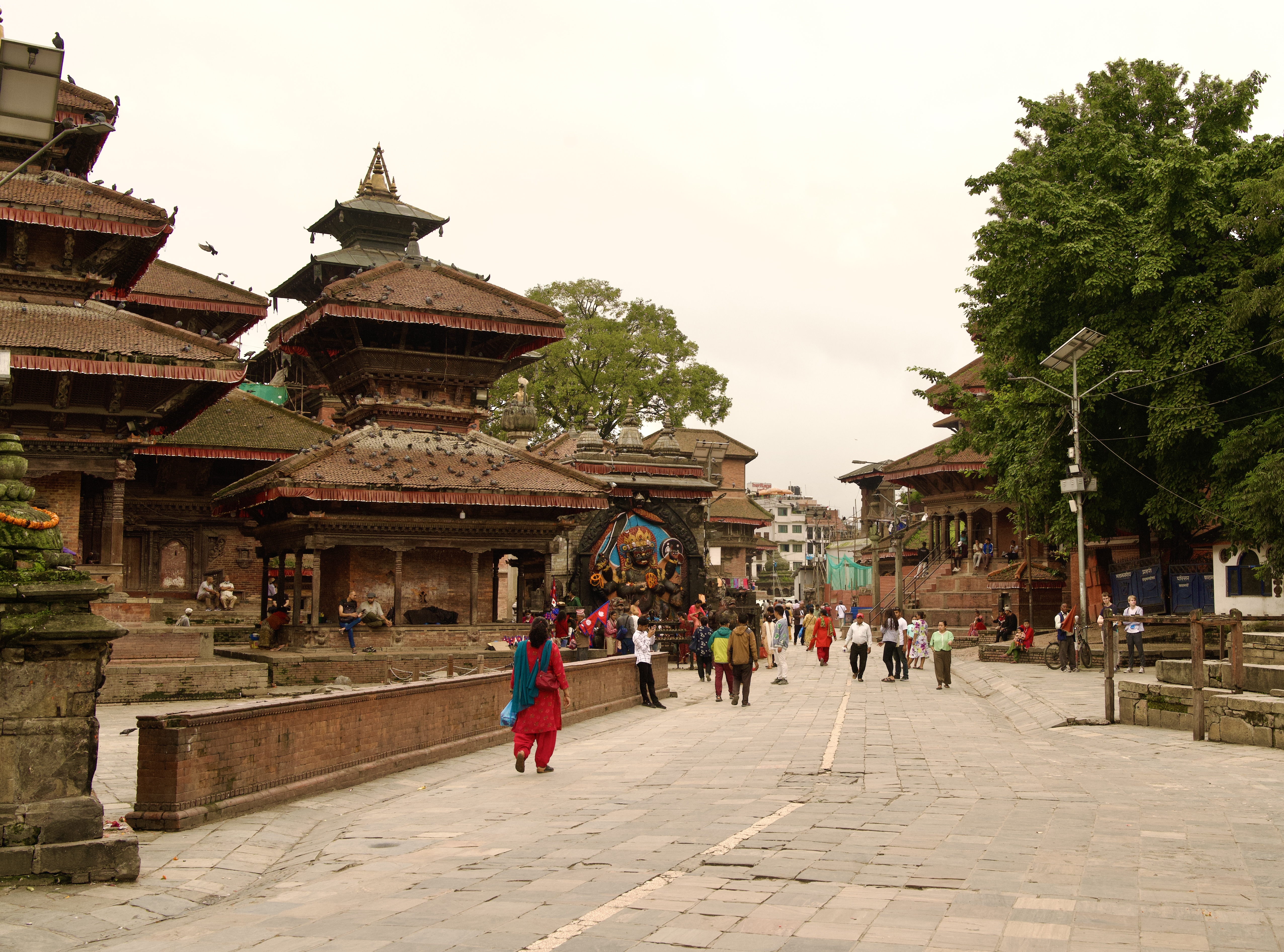
As much as I enjoy Kathmandu, with its vibrant colors and Nawari architecture, there are times when the bustling city feels a bit overwhelming. On my last trip, I found myself tangled in the chaos of Thamel, the city’s tourist hub. I had been there in 2023, but it had felt different at that time. Perhaps it was because I was coming from India, a more populous place than Nepal, so Thamel felt slower and familiar. This last time, in October of 2025, I journeyed to Kathmandu from the Tibetan border with China on board a muggy SUV, speed racing along the shoulder of disheveled, half caved in country roads. By the time I arrived in the capital, I was exhausted and unwilling to hear the chaos of a booming city.
In Thamel, street hawkers persistently tried to sell me everything from pashminas and singing bowls to illegal drugs. It felt like I was in a never-ending loop of declining offers. The day after my arrival, I decided that, to truly experience Nepal, I needed to step outside the usual tourist traps and explore the lesser-known destinations around Kathmandu. The best way to do so would be by trekking both city streets and surrounding nature trails.
Kathmandu attracts hundreds of thousands of tourists each year, contributing significantly to Nepal’s $724 million tourism industry. However, with this influx comes an overly commercialized experience that can overshadow the rich, authentic culture that Nepal offers. For those seeking genuine interactions and serene landscapes, venturing beyond Thamel is essential.
Nagarkot and the Quest for a Glimpse of the Himalayas
Embarking on a journey from Kathmandu to Nagarkot on foot is an exciting adventure that offers breathtaking views and a chance to immerse yourself in the natural beauty of Nepal. The trek is roughly 32 kilometers (about 20 miles) and can take approximately 7 to 8 hours depending on your pace, weather, and stops along the way.
TIP: Hire a local guide to take you to Nagarkot, especially when traveling solo and without GPS.
Nagarkot is renowned for its breathtaking panoramic views of the Himalayan range. On clear days, trekkers can witness the majestic peaks of Mount Everest, Langtang, and Dhaulagiri, among others.
The trails leading to Nagarkot are enveloped in lush forests, home to a diverse array of flora and fauna. Trekkers can enjoy the sight of colorful wildflowers, towering pine trees, and a variety of bird species. This biodiversity adds an element of adventure and discovery to the trek, making it a delight for nature lovers.
Away from the urban noise, Nagarkot offers a tranquil environment that is perfect for relaxation and reflection. The serene ambiance, coupled with the fresh mountain air, provides a rejuvenating experience for both the body and mind. It’s an ideal setting for meditation, yoga, or simply unwinding amidst nature.
Begin your trek in the bustling tourist district of Thamel. This is a convenient starting point as it’s well-connected and easy to navigate. Walk towards Chabahil, a neighborhood known for its ancient temples and vibrant street life. Continue on to Jorpati, where you’ll find a mix of urban and rural landscapes, as you gradually leave the city behind and meander through rice terraces. Head to Sankhu and start the climb to Nagarkot via the Buddha Peace Park.
You’ve arrived. Enjoy the view.
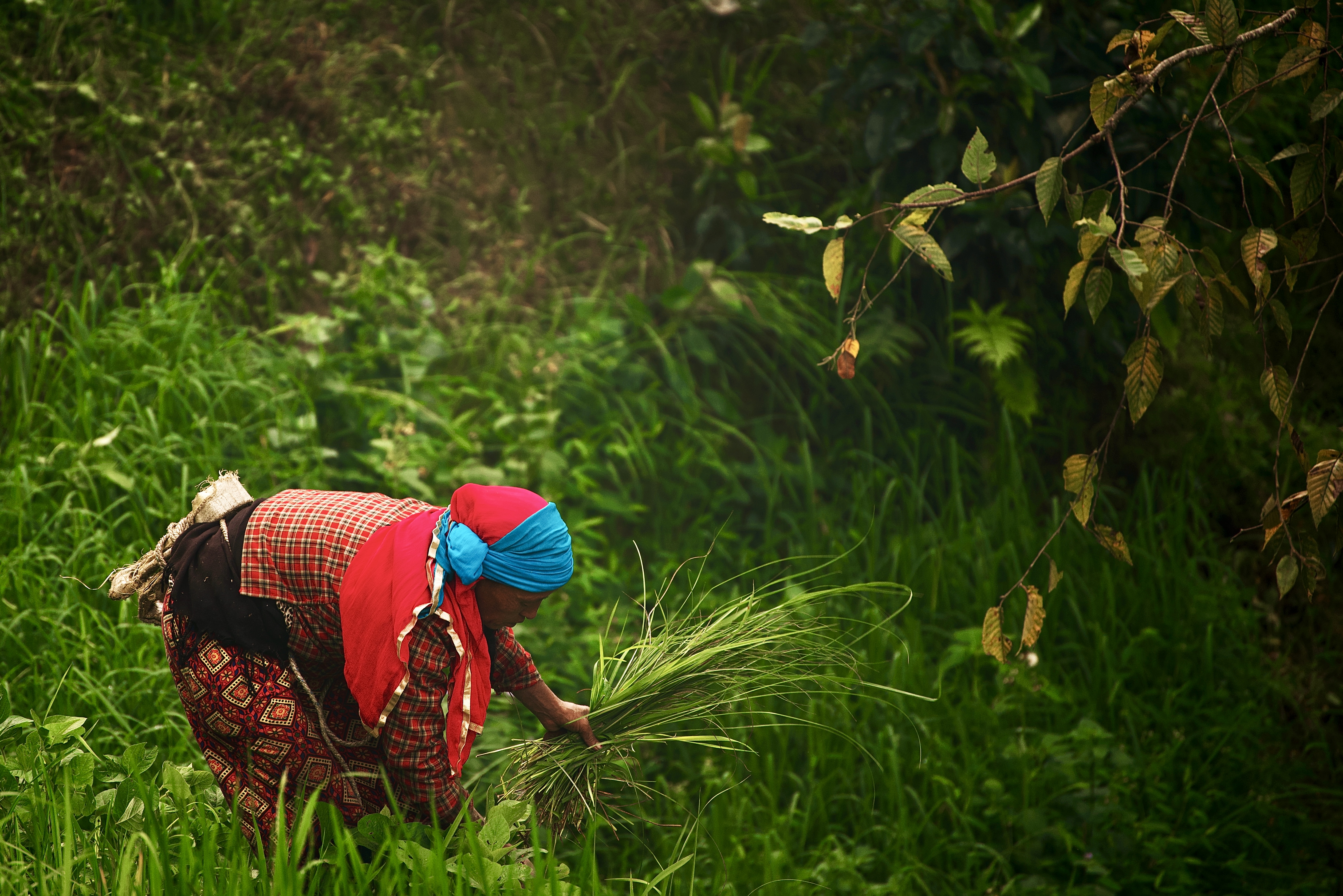
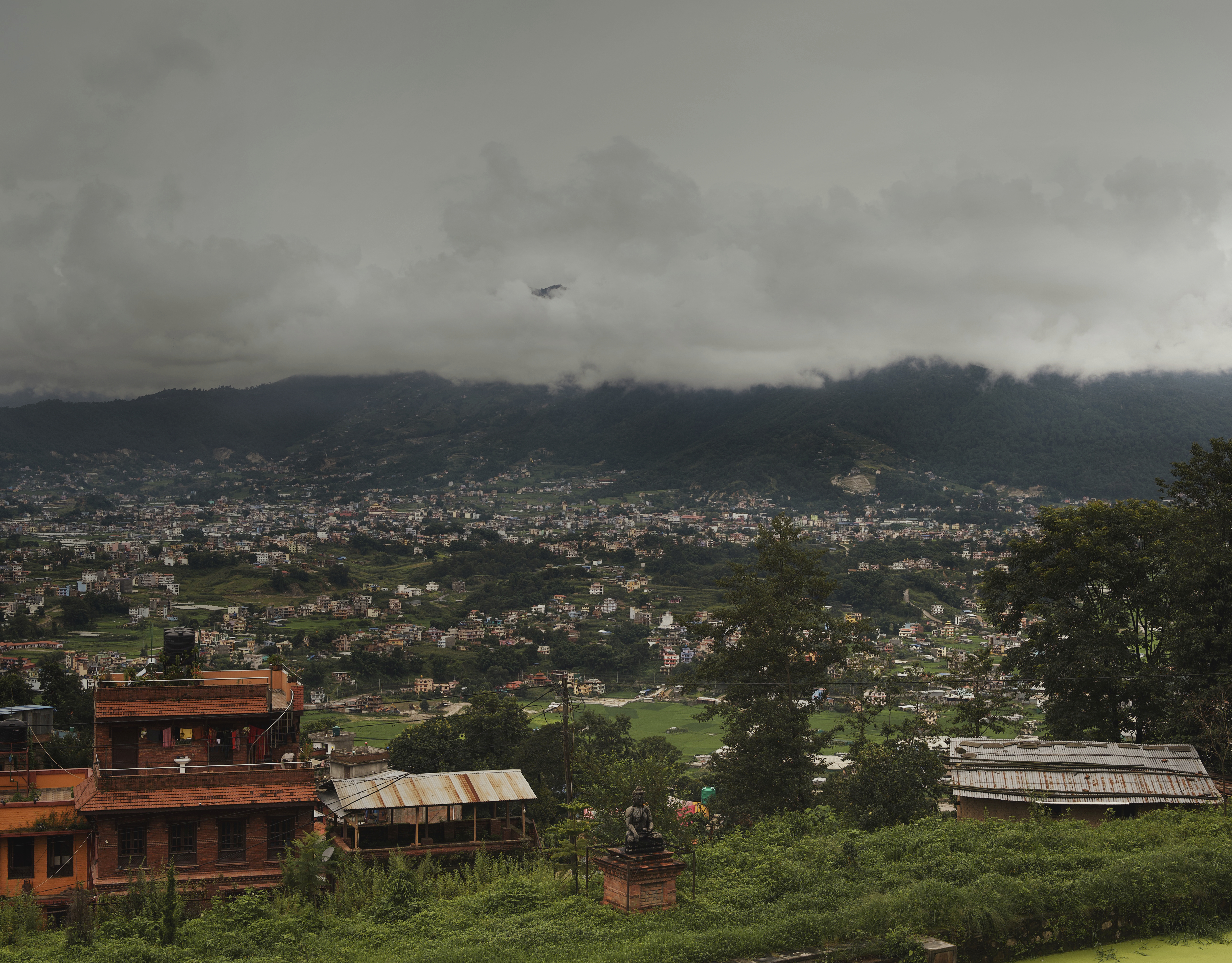
During monsoon season, the town is completely empty. When I visited, in August of 2023, I was the only guest in the village, which made for a restful and interesting time since all the locals were hyped up about my presence. I had some much-needed downtime and witty conversations with the people there. The downside to visiting in the off season is that the cloud cover will prevent you from seeing the Himalaya range, which would be otherwise visible with clear skies.
Bonus Sightseeing: Changu Narayan Temple
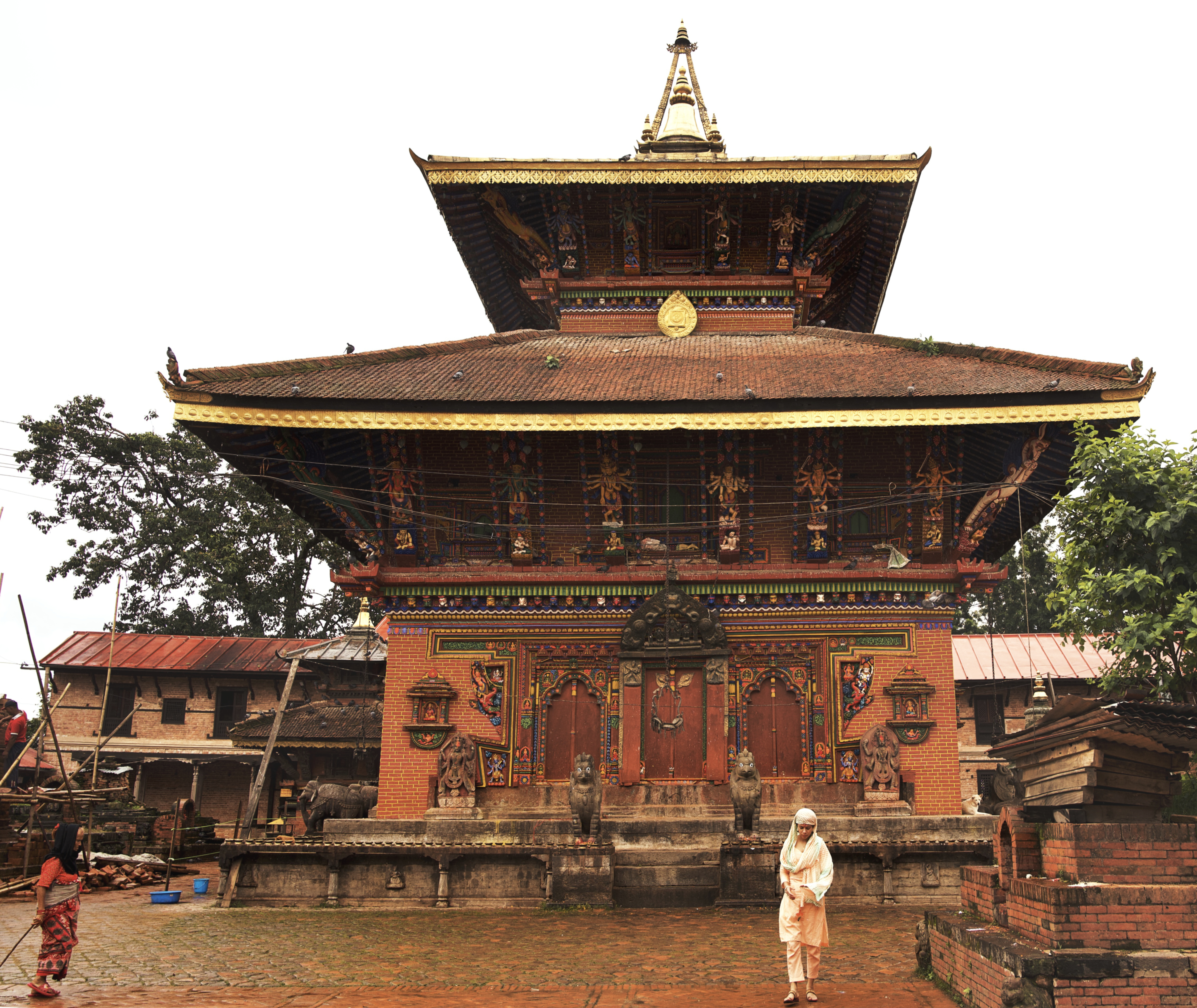
Returning to Kathmandu from Nagarkot, make a stop at Changu Narayan Temple, a UNESCO World Heritage site and one of the oldest and best preserved Hindu temples in Nepal. Located on a picturesque hilltop in the Changunarayan district, just north of renowned Bhaktapur, the site is dedicated to Lord Vishnu, one of the principal deities in Hinduism.
The origins of Changu Narayan Temple can be traced back to the 4th century CE, making it one of the oldest temples in Nepal. Legend has it that the temple was built by King Hari Datta Verma, with its establishment linked to various mythological tales of Lord Vishnu’s incarnations.
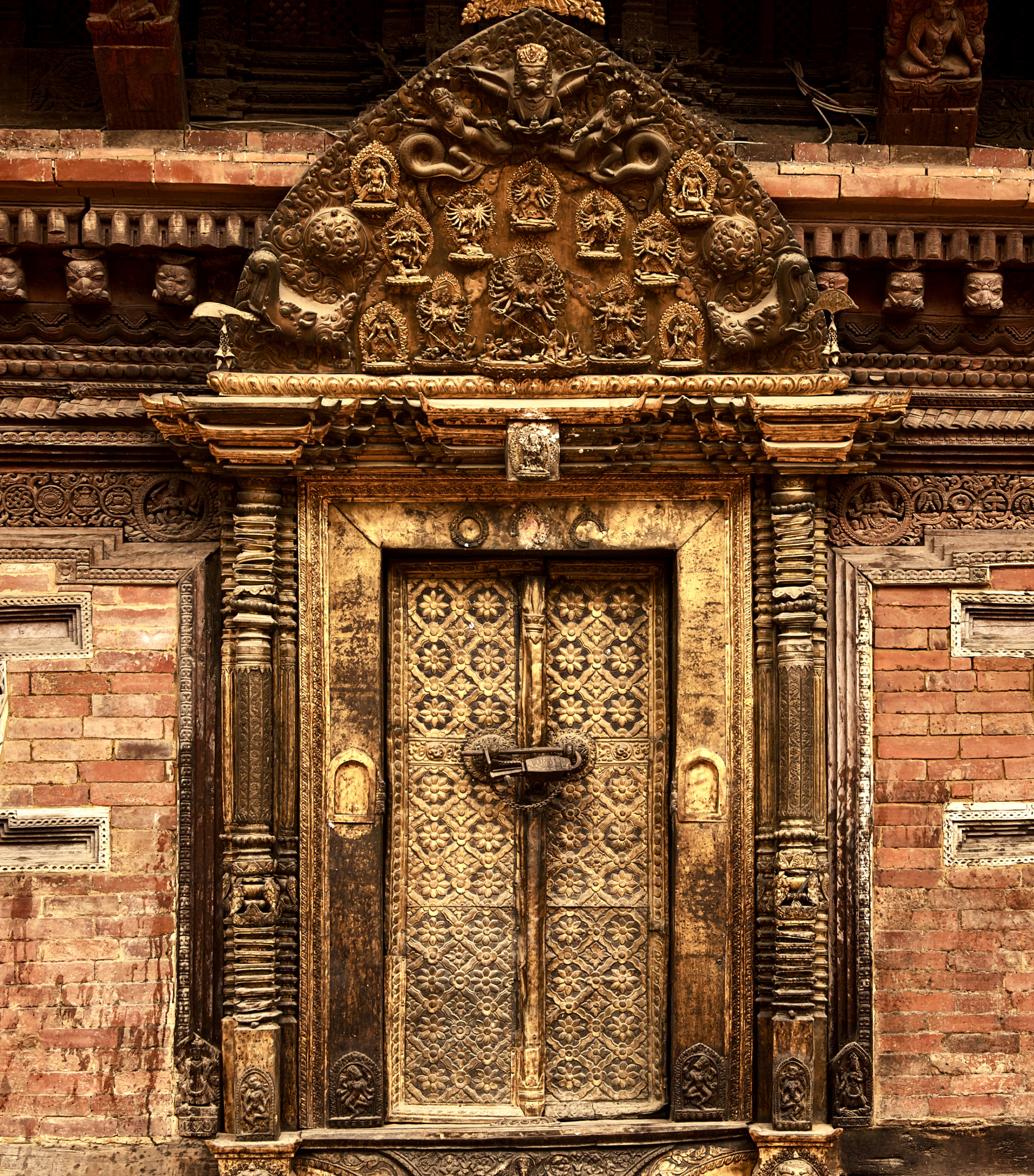
Changu Narayan Temple is renowned for its intricate wood and stone carvings that depict stories from Hindu mythology. The temple is a marvel of traditional Nepali pagoda-style architecture, characterized by its two-tiered roof and elaborately carved doors, windows, and struts.
Touch and Go at Swayambhunath
… and Up and Down a Winding Road to Nowhere
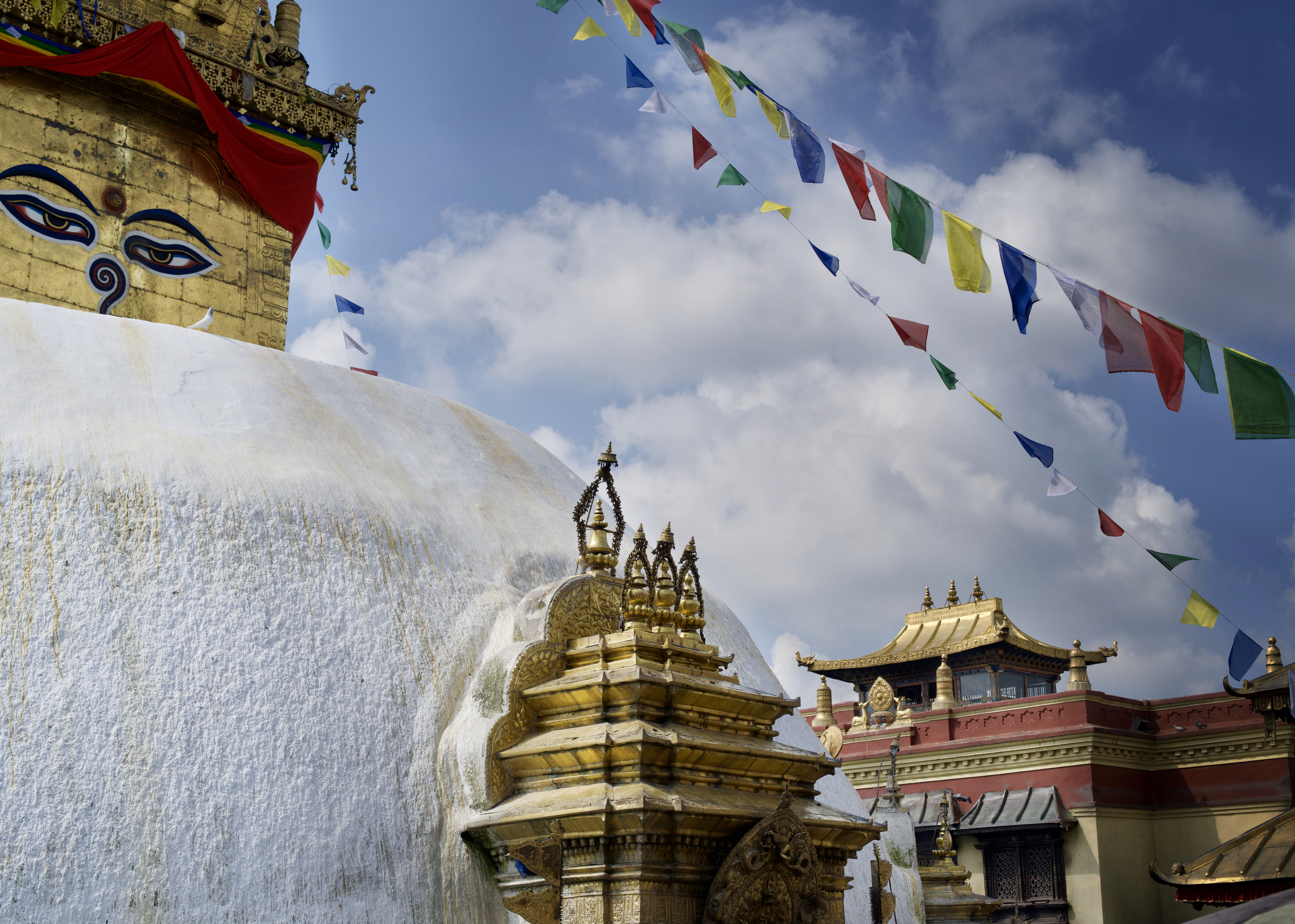
One cannot visit kathmandu and not spend a few hours at the busy, over-commercialized (and jam-packed with both humans and monkeys) Swayambhu Mahachaitya.
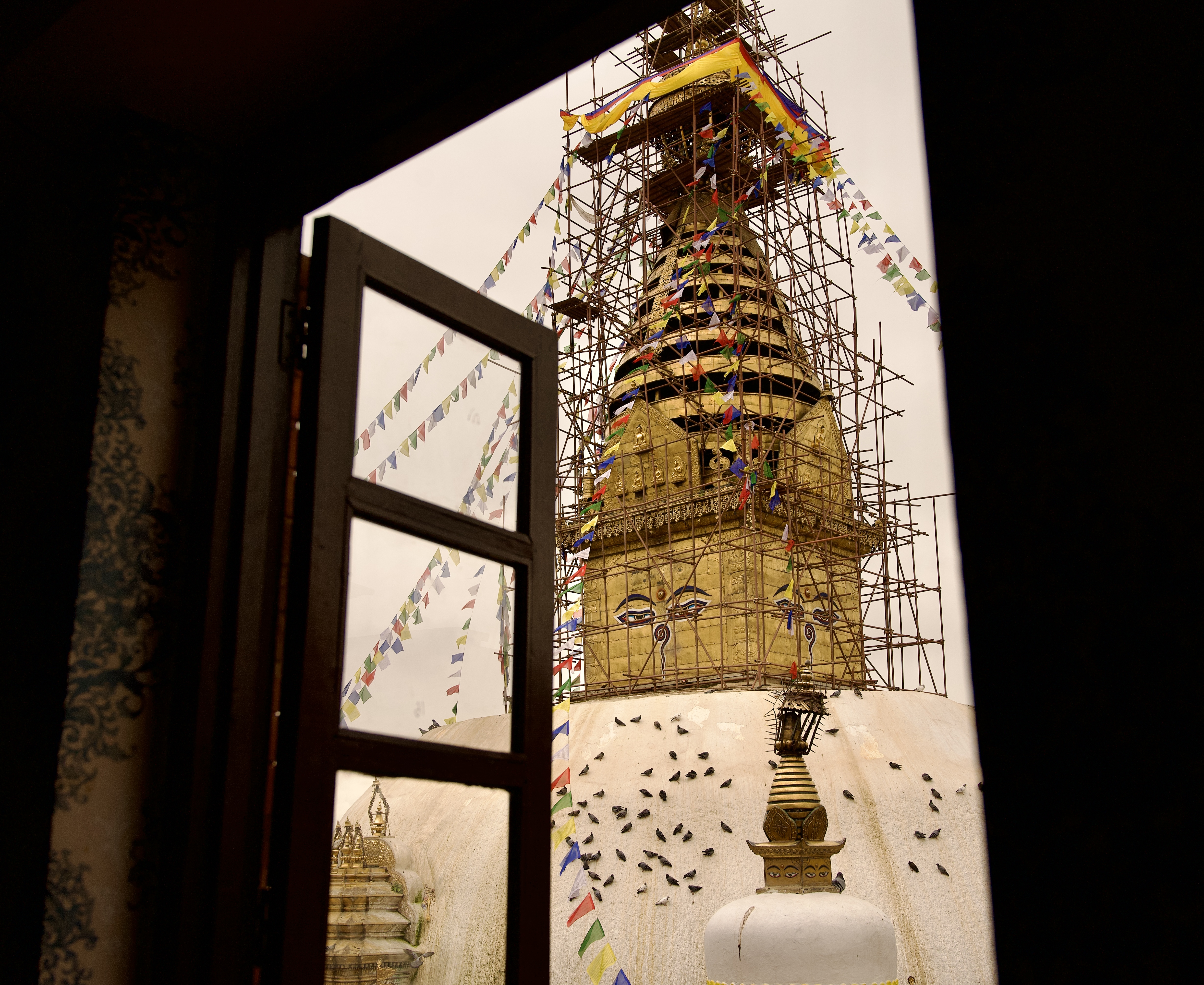
Swayambhu Mahachaitya, also known as Swayambhunath or the Monkey Temple, is an ancient religious complex perched atop a hill in the Kathmandu Valley of Nepal. This iconic stupa is a Buddhist pilgrimage site, believed to have been self-emerged from a lotus flower, symbolizing the eternal light of enlightenment and wisdom. Surrounded by a vibrant mix of shrines, temples, and a diverse community of monks and devotees, Swayambhu Mahachaitya offers breathtaking panoramic views of Kathmandu. With that said, go up the steep sets of stairs, circle around the stupa, snap some awesome photos, maybe peek inside a few of the overpriced tourist shops, and then be on your way down to a more calm destination.
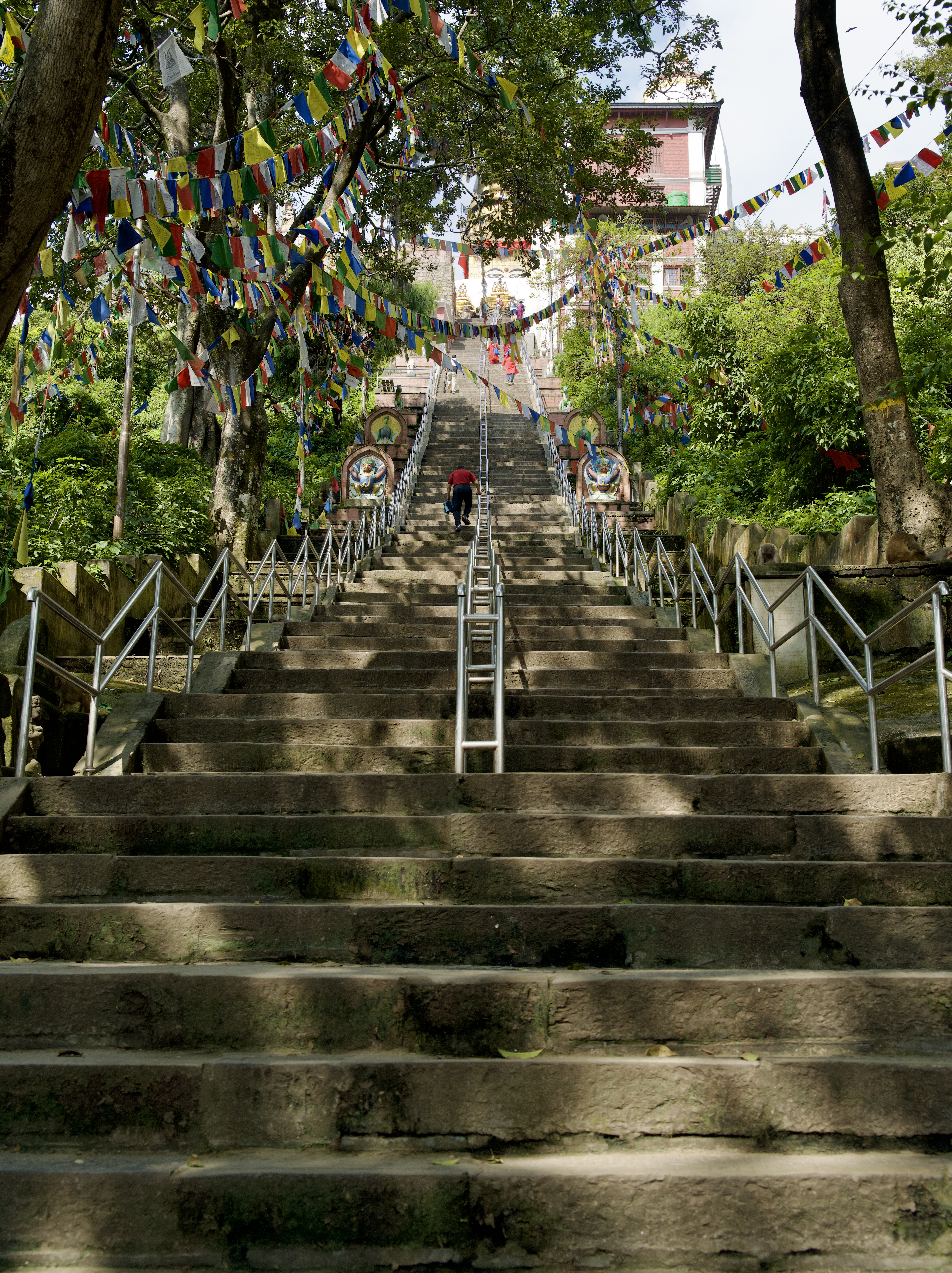
From Swayambu Mahachaitya take the road that leads to the Druk Amitabha Monastery, even if you’re not planning on visiting the site. There aren’t any roadsigns indicating the way to the monastery, so you’ll have to rely either on your GPS or innate sense of adventure – a mix of the two is optimal.
Unfortunately, I couldn’t tell you whether the site is worth a visit because I tried to tour it but, when I arrived there, after hours of uphill scrambling, I found that it was closed in observance of the festival of Deshain. Hiccups happen when doing things on the fly, and I am slowly learning to cope with them in a constructive fashion, as opposed to beating myself up because I did’t get what I had expected.
Visit the photography shop to find the travelscape that speaks to you. Different sizes and formats to choose from are available. Need something custom-made? drop us an email at gloriap@apronandsuitcase.com
Admittedly, the disappointment was, at first, a hard pill to swallow, but then I changed my optics and realized that I had been having a nice time just being in lesser known surroundings. This “visit” that didn’t happen was the most authentic experience I had had in the city as of yet. Imagine that.
Bonus Sightseeing: Aadeshwar Mahadev Temple
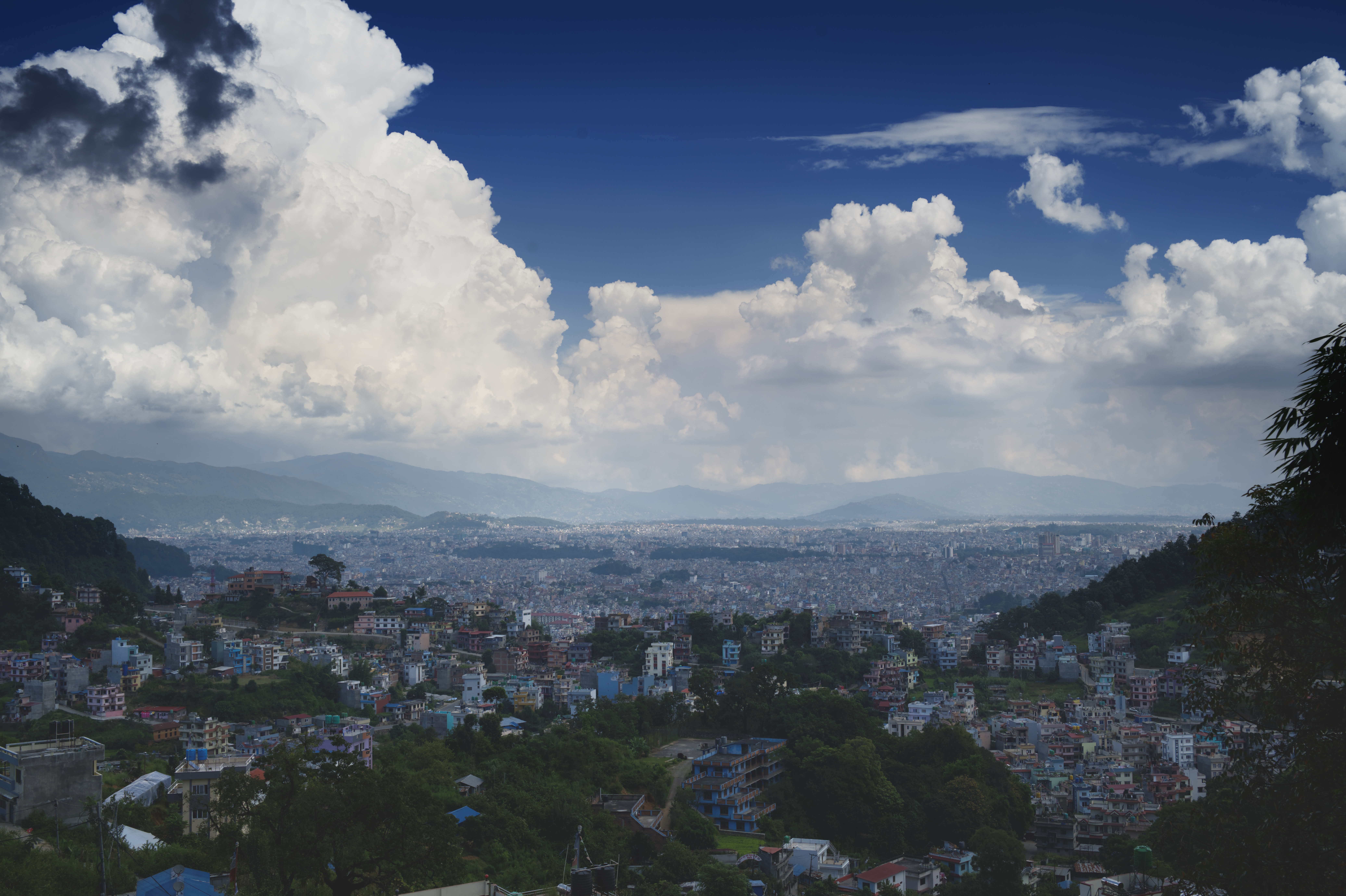
Heading up toward Druk Amitabha stop at the obscure and secluded Aadeshwar Mahadev Temple. Afterwards take the Monkey Trail to forest bathe. The path is long and arduous but it offers stunning views over the Kathmandu Valley. The lush forests and diverse birdlife make it a haven for hikers and birdwatchers alike. Besides, you’ll get to meander through a couple of quiet residential districts in the city, where you’re almost guaranteed not to run into another tourist.
Pashupatinath Temple and Aryaaghat
Pashupatinath is revered as one of the most sacred temples dedicated to Lord Shiva and is considered one of the four most important religious sites in Asia for devotees of the god. It is not only a religious site but also a cultural and historical landmark. The temple and its surrounding area, including the Aryaaghat, hold immense spiritual significance and attract devotees and tourists from around the world.
The Pashupatinath Temple is believed to have been established in the 5th century CE, although the current structure was built later. Over the centuries, it has been a focal point for worship and pilgrimage, earning its place as a UNESCO World Heritage Site since 1979.
Adjacent to the Pashupatinath Temple lies the Aryaaghat, one of the most important cremation sites for Hindus in Kathmandu. Situated along the banks of the Bagmati River, the ghat is an essential part of Hindu funeral rites. The Bagmati River is believed to be sacred, and cremation at Aryaaghat is thought to ensure a better afterlife for the deceased.
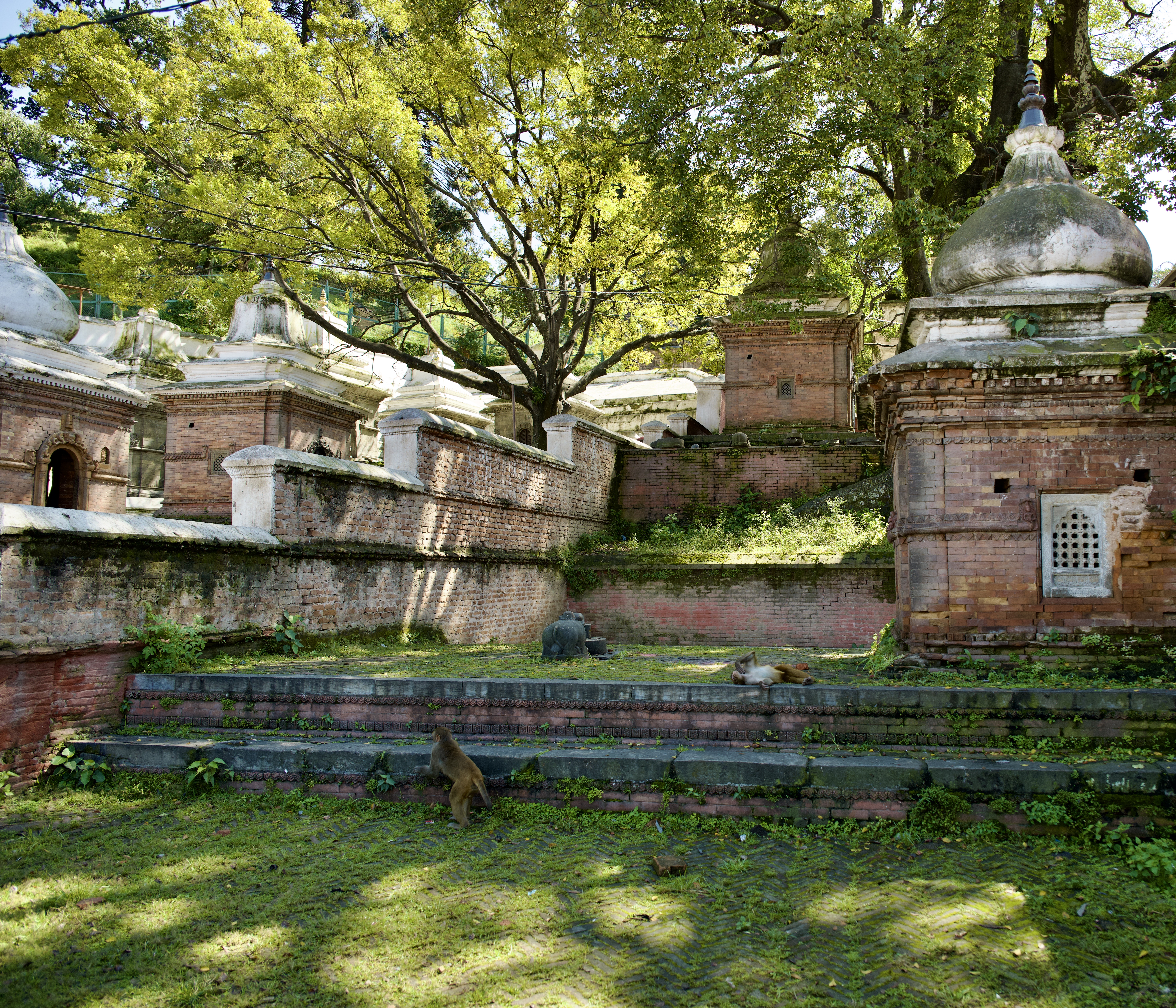
Also worth visiting closeby are: Mrigasthali, Gorakhnath temple and ashram, the Spiritual Theme Garden, and the Caves of Naropa and Tilopa.
What Not to Do
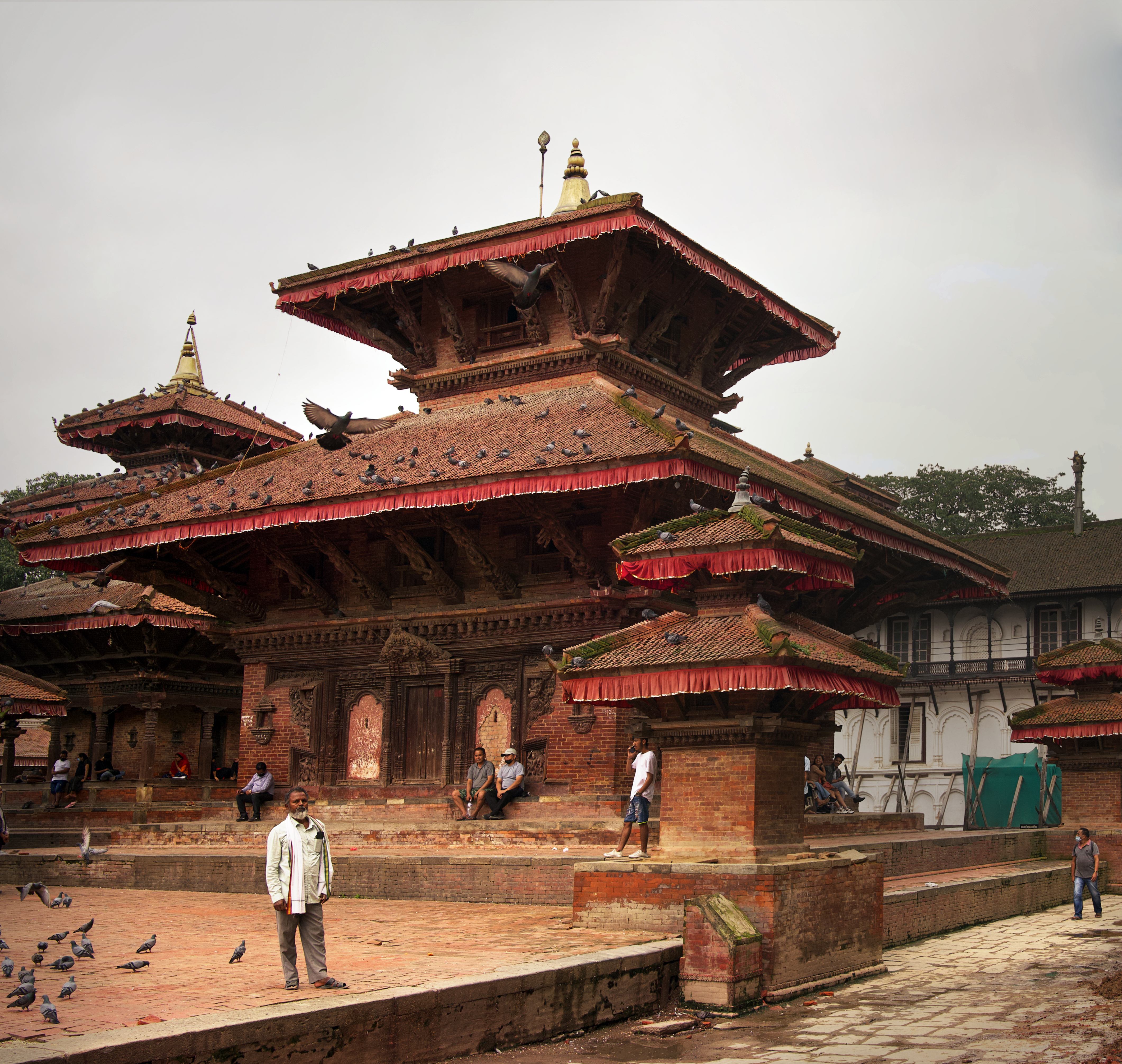
Regarding Kathmandu’s city center, one of the most common complaints that I’ve heard from visitors is the overwhelming number of tourists, especially during peak seasons. The influx can lead to overcrowded streets and long waits at popular sites, detracting from the enjoyment of the city’s charm. Additionally, commercialization can sometimes overshadow the authenticity of the local culture, with souvenir shops and vendors becoming a significant part of the landscape.
As for the most visited spots around the city, I would recommend avoiding the crowds and commercialization of Bhaktapur’s durbar. There’s a 2,000 rupees entrance fee to access the square if you’re not a national, and it looks not too different from the durbar in Kathmandu. I was curious to see what the fuss was about and I went – I’ll say that it isn’t worth the trip.
Choosing the Right Place to Stay…
When it comes to selecting a place to stay during travel, the choice can significantly impact your overall experience. My recent decision to stay in Thamel for the second time is a testament to this. While convenience and proximity to lively nightlife were appealing, in hindsight, a different choice might have offered a more fulfilling experience.
Reflecting on my stay, I realize that choosing a quieter, more traditional setting might have enriched my experience. A family-run homestay in Nagarjun, for instance, would offer a stark contrast to Thamel’s low budget, yet overpriced, hostels.
Enjoy the journey, not just the destination.
The true essence of a place lies in the the small moments and personal connections, which make traveling a unique experience. May this slow travel article inspire you to visit Nepal one day.
Until we meet on the road again soon.
Yours truly,
G.