Welcome to the streets of Lhasa.
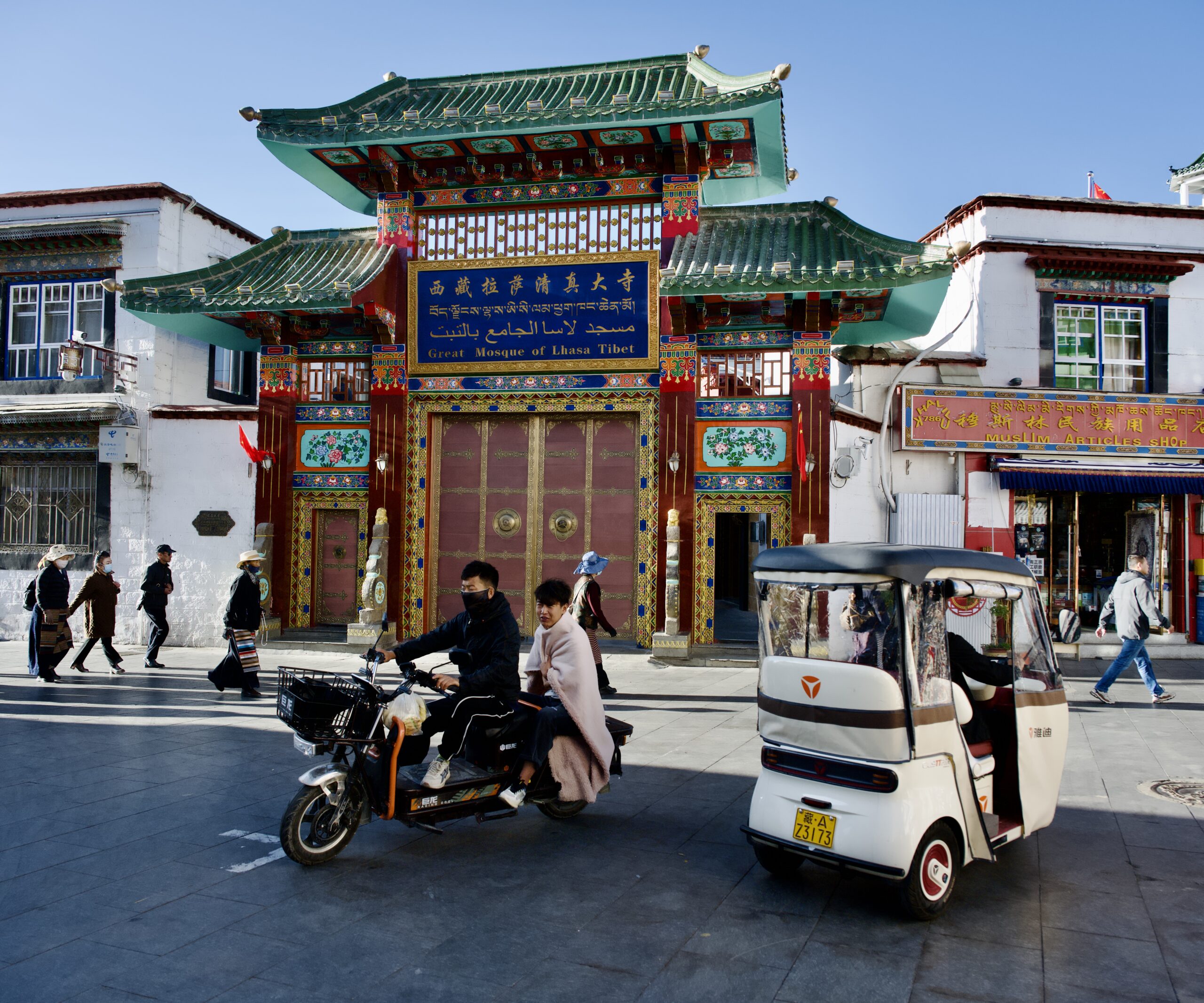
Here we are on a visual journey through the capital of Tibet, a land with a troubled past, an ambiguous present, and a fading future. It isn’t like me to shy away from political diatribes, but I’ll make an exception in this case. My wish is to provide you with a glimpse of what daily life entails in a place like the Tibetan plateau, by means of the images that I took on my travels this past September of 2025.
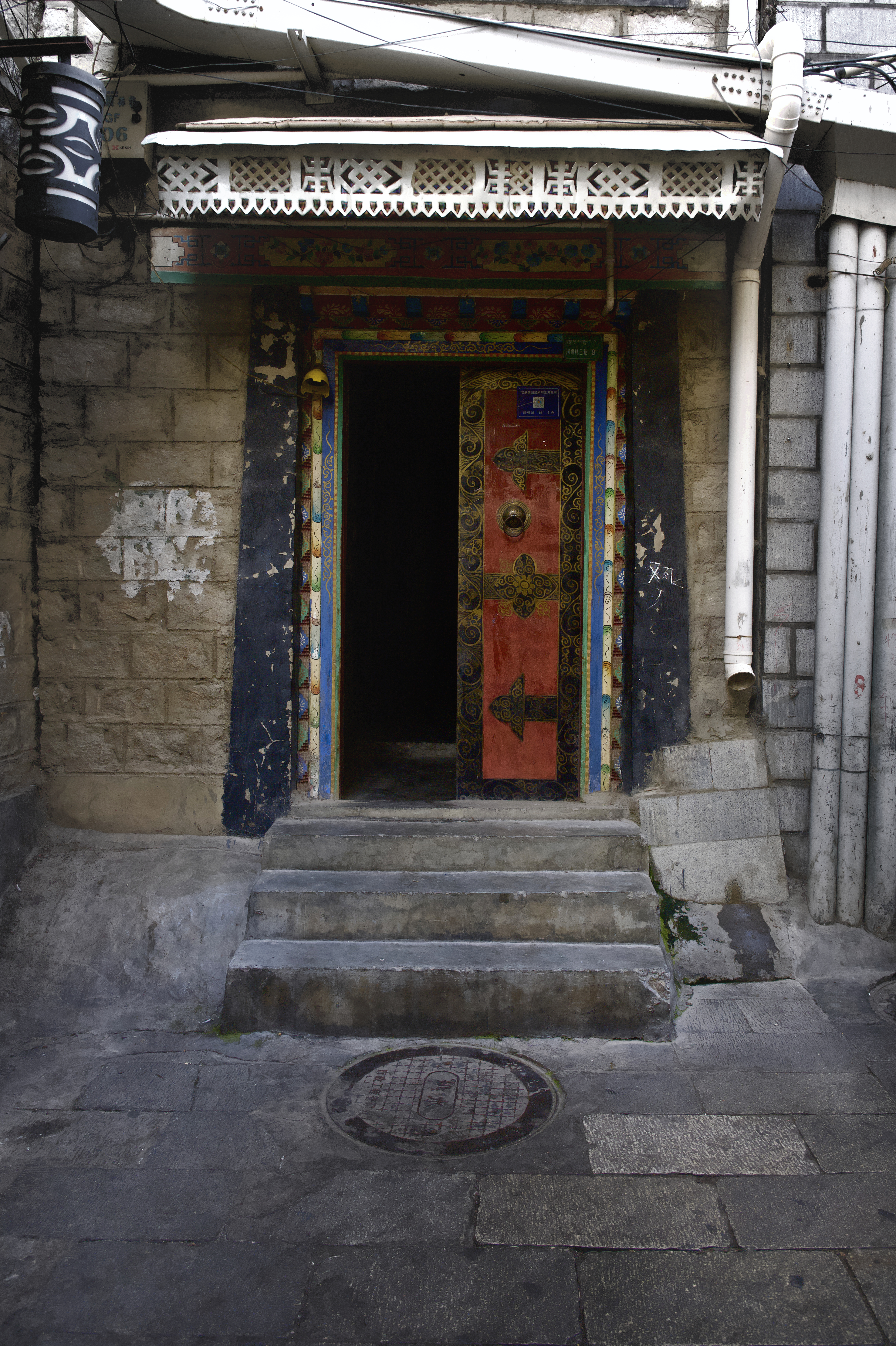
less is more
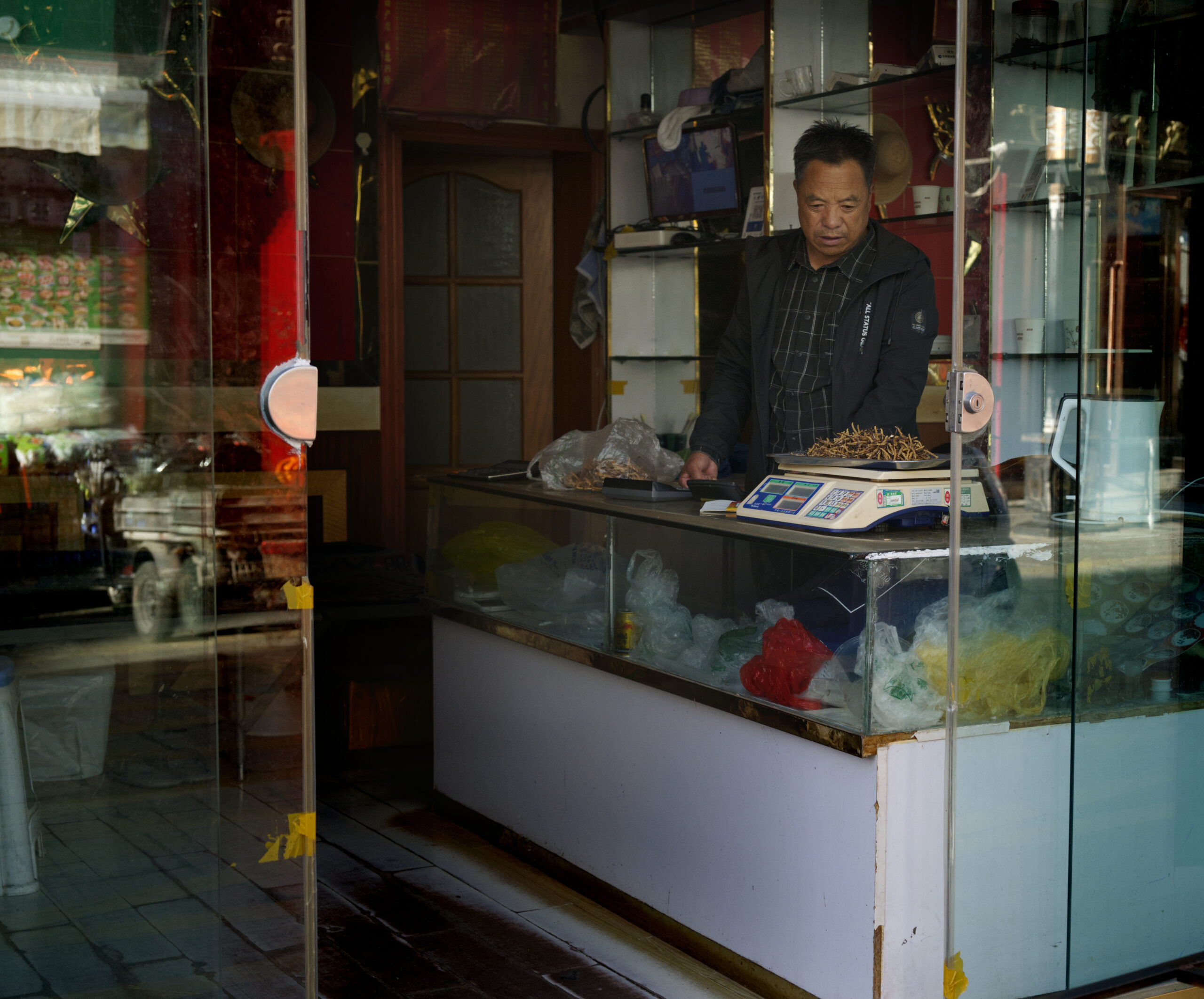
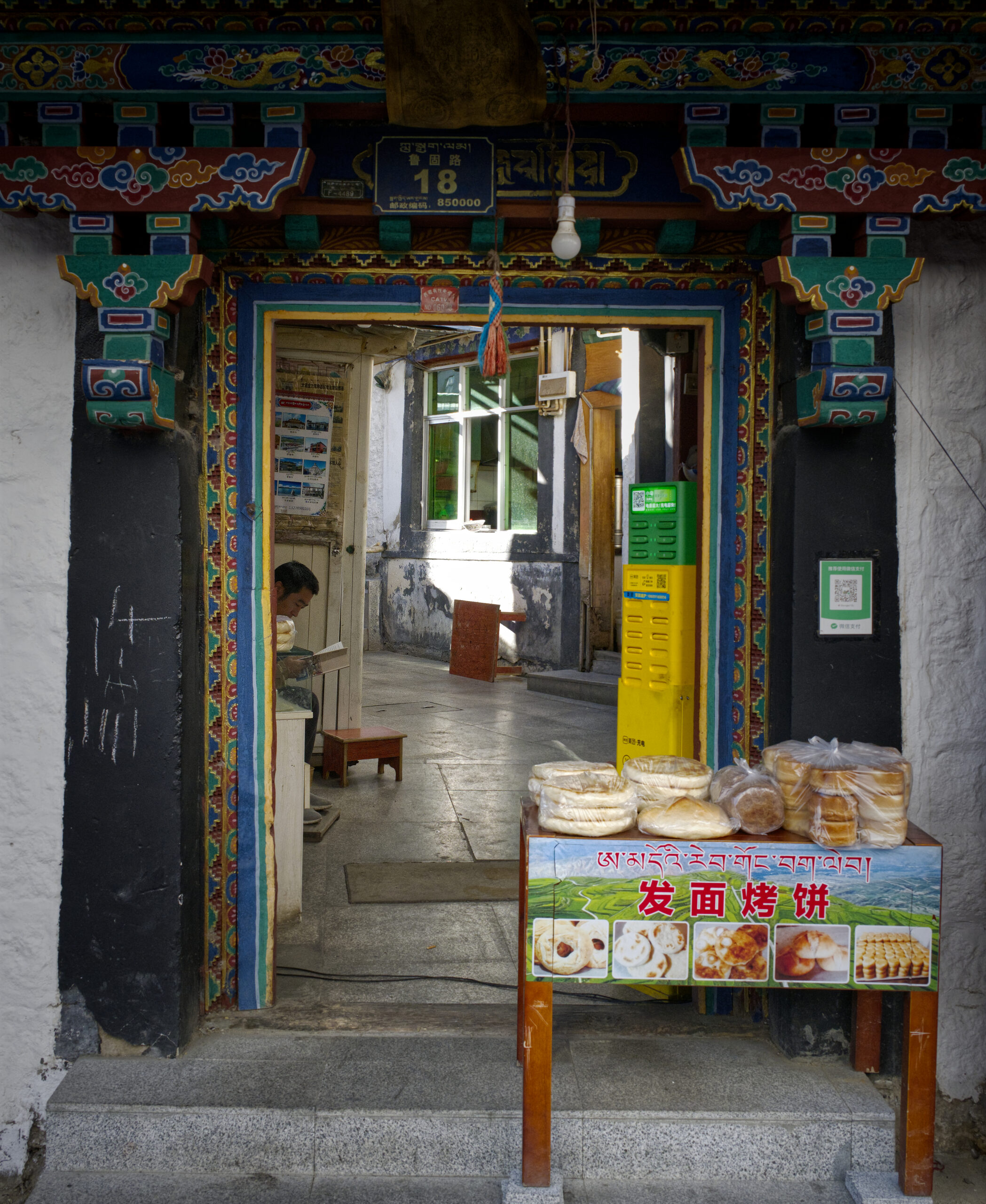
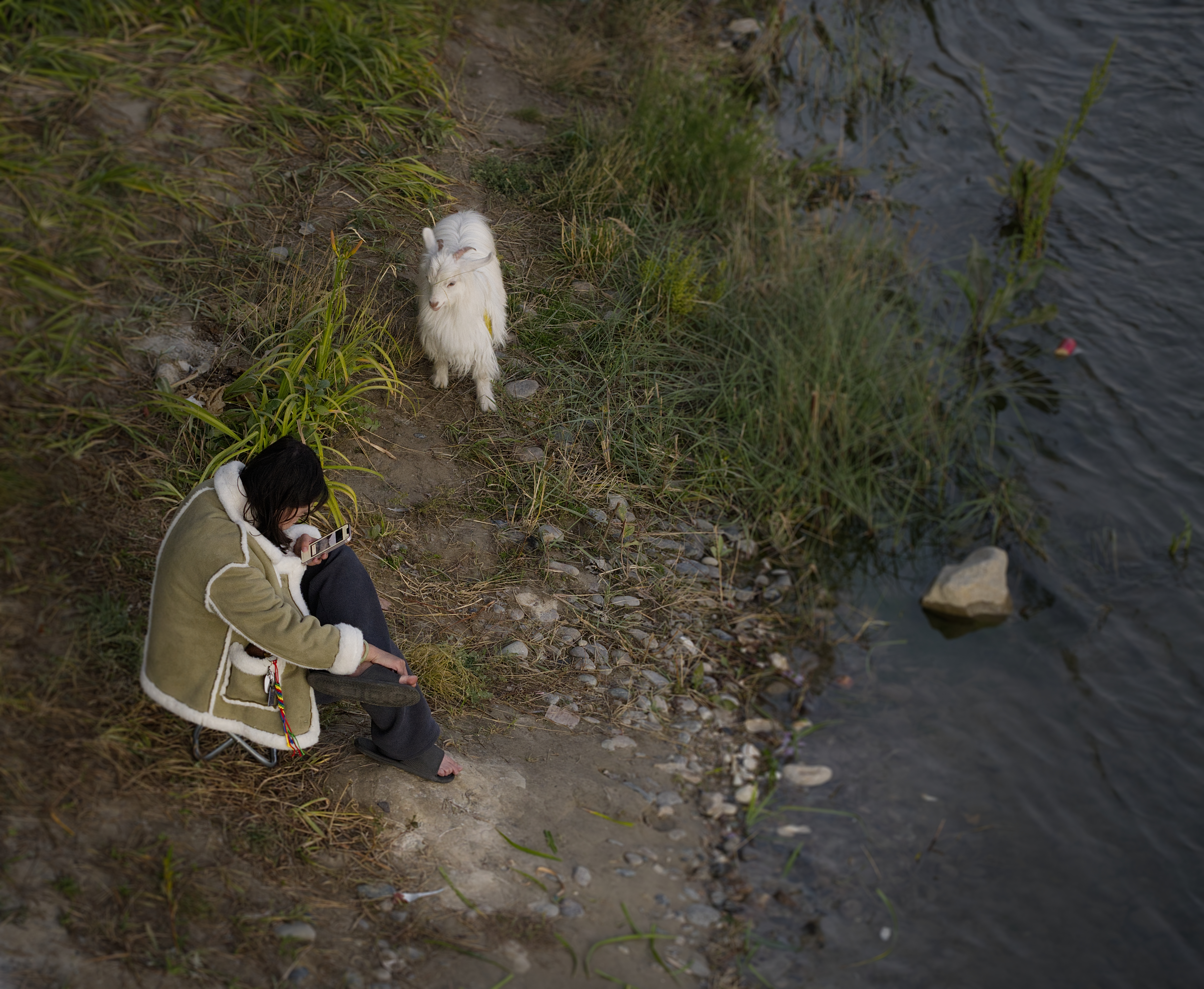
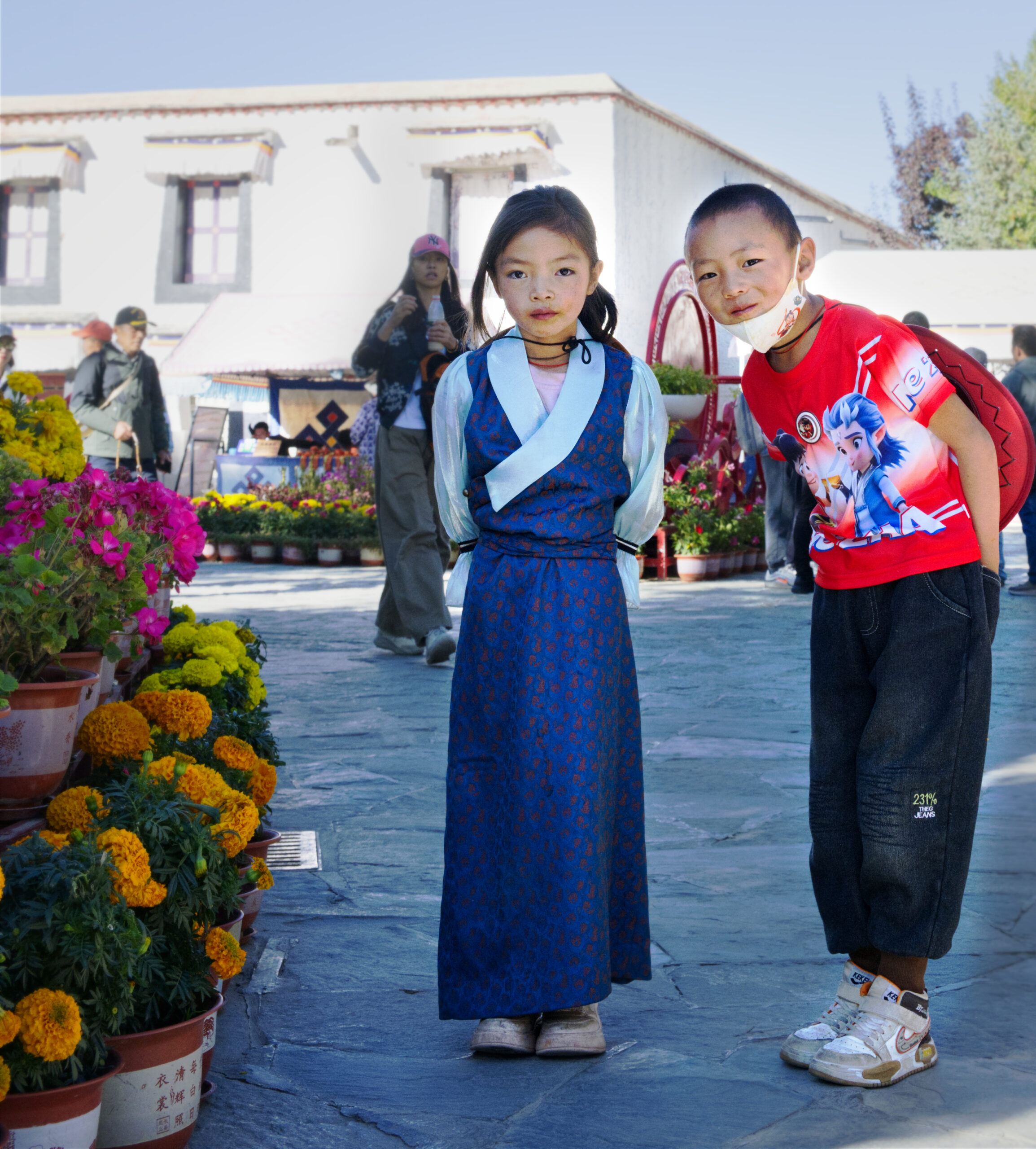
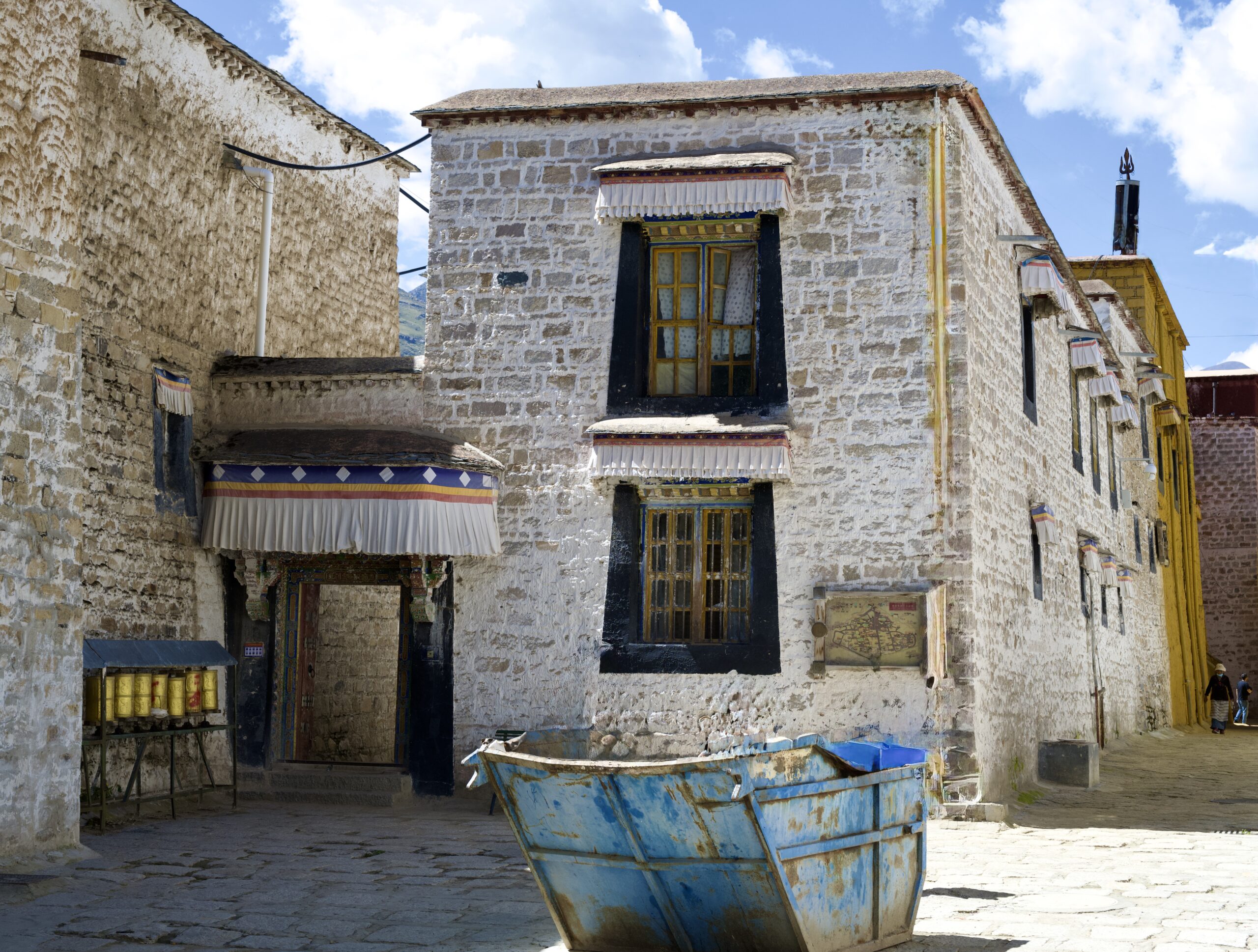
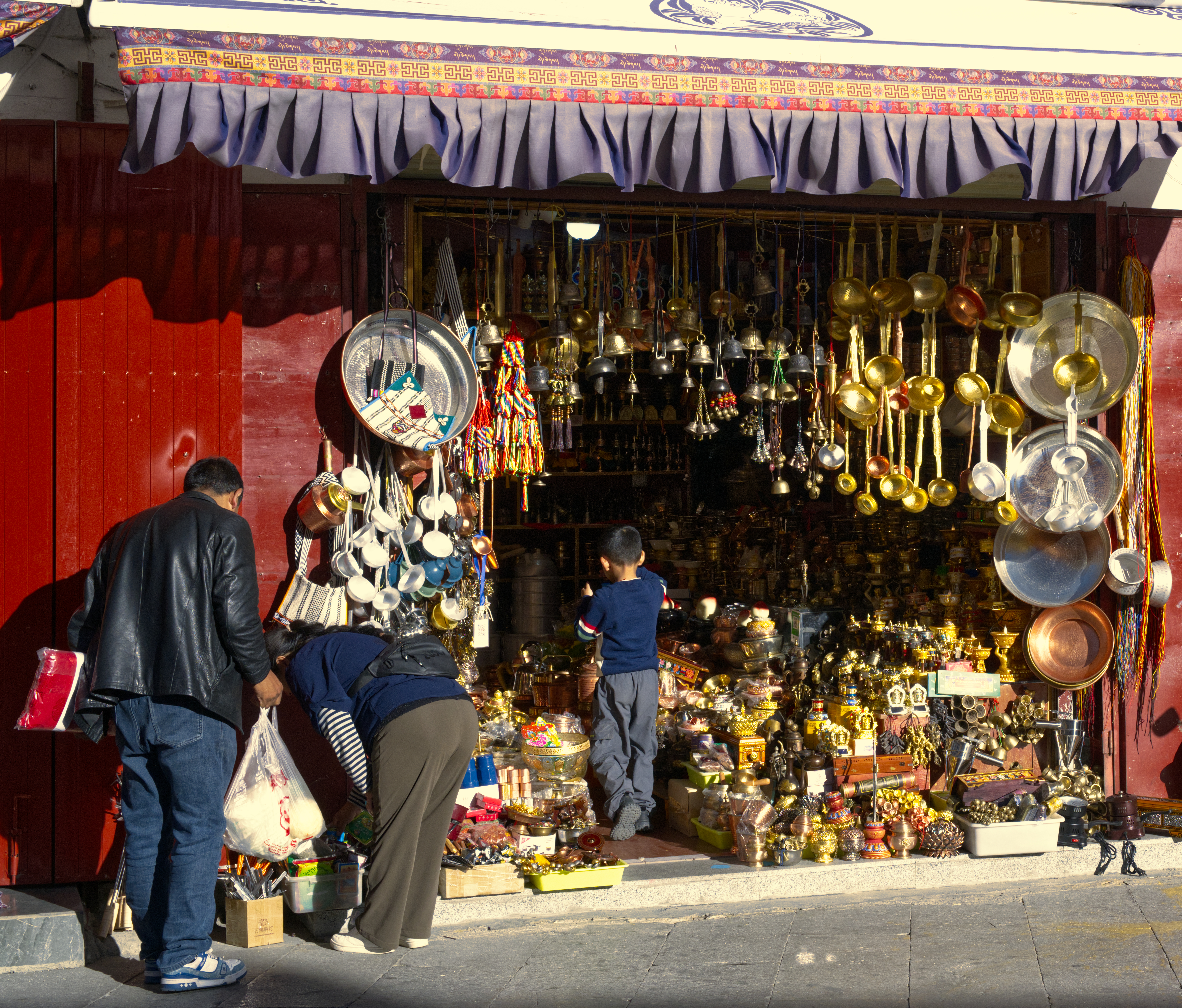
Possessions are scarce, homes are rudimentary, and hygiene is often lacking. Many of the Tibetans that I encounter along the way are either semi-nomadic or shopkeepers. Some are unemployed and walk the streets night and day, praying and chanting, pleading for salvation. As they walk, they prostrate in blissful oblivion. Yet the dynamic unfolding in Lhasa doesn’t feel like poverty; it’s a humble, intentional lifestyle that, try as I might, I cannot understand from my Eurocentric point of view.
And I, from the privilege bestowed upon me by the appellation “tourist”, from my fabled ivory tower, I pace the streets of Lhasa day after day. I watch the city flow in its relentless wave of people. I watch, assess, and come to the conclusion that Tibetans are content with what little they have. Their wealth resides within, in currencies that we, the west, struggle to comprehend – boundless kindness, infinite compassion, and overpowering spiritualism.
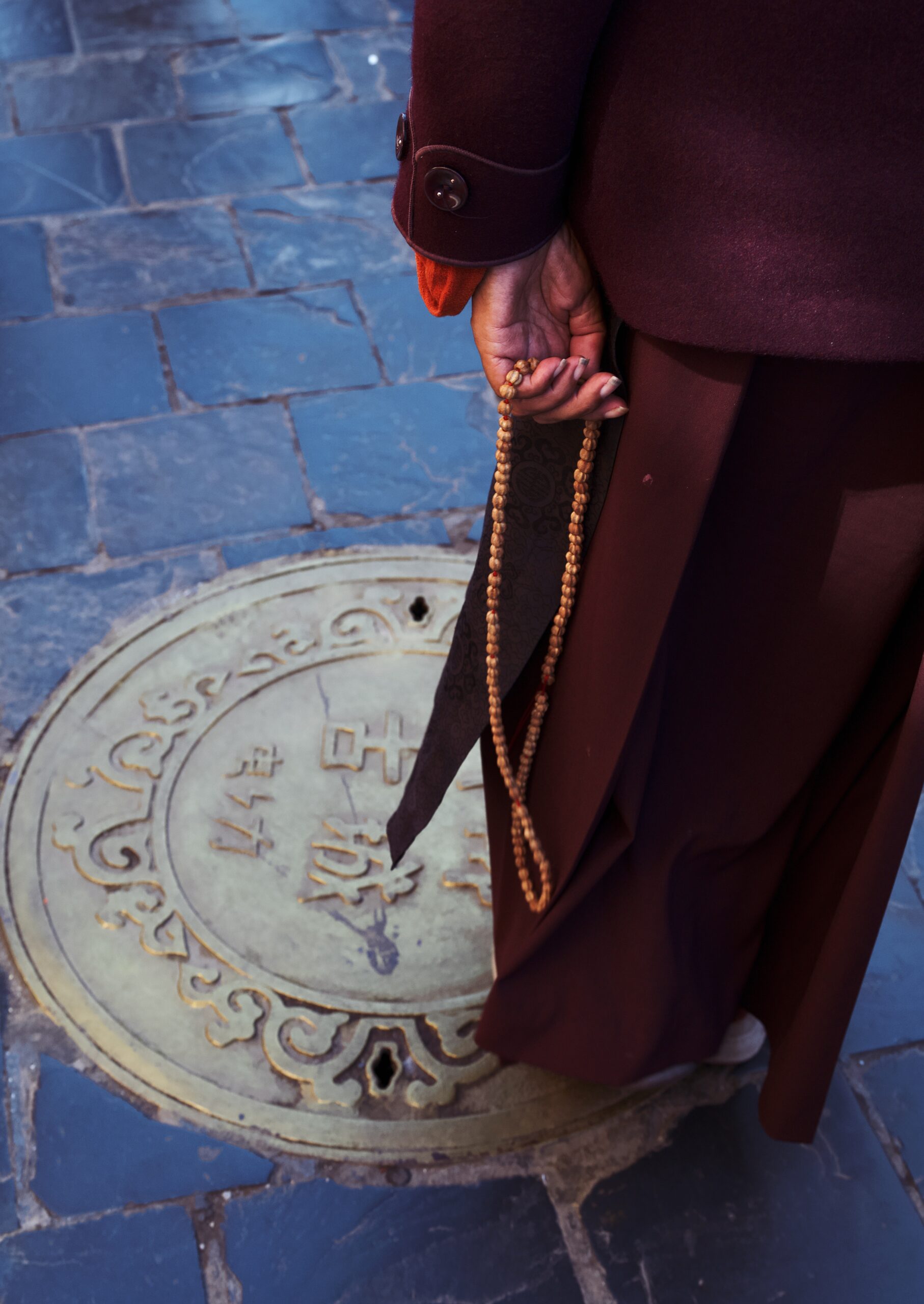
devotion
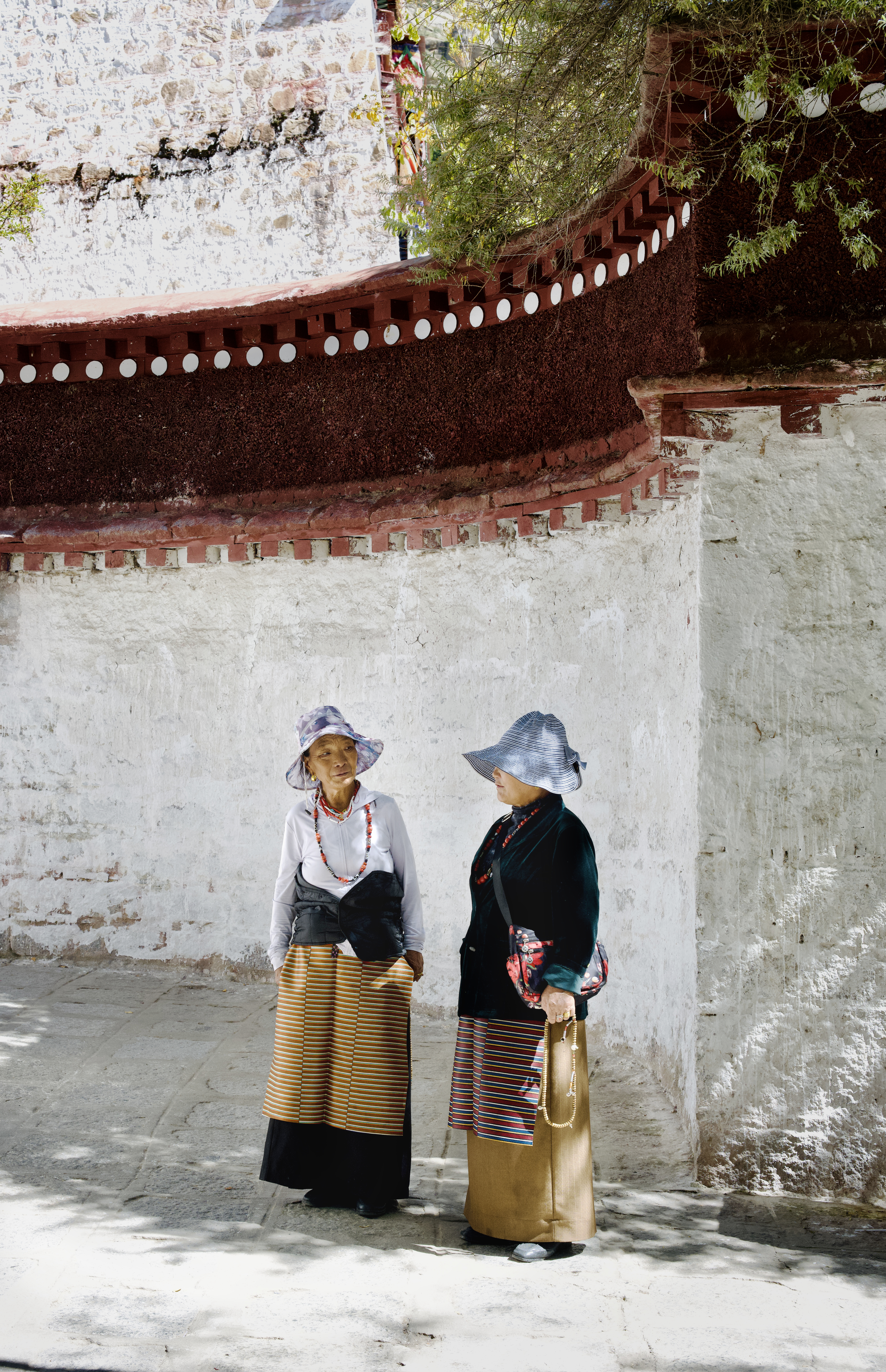
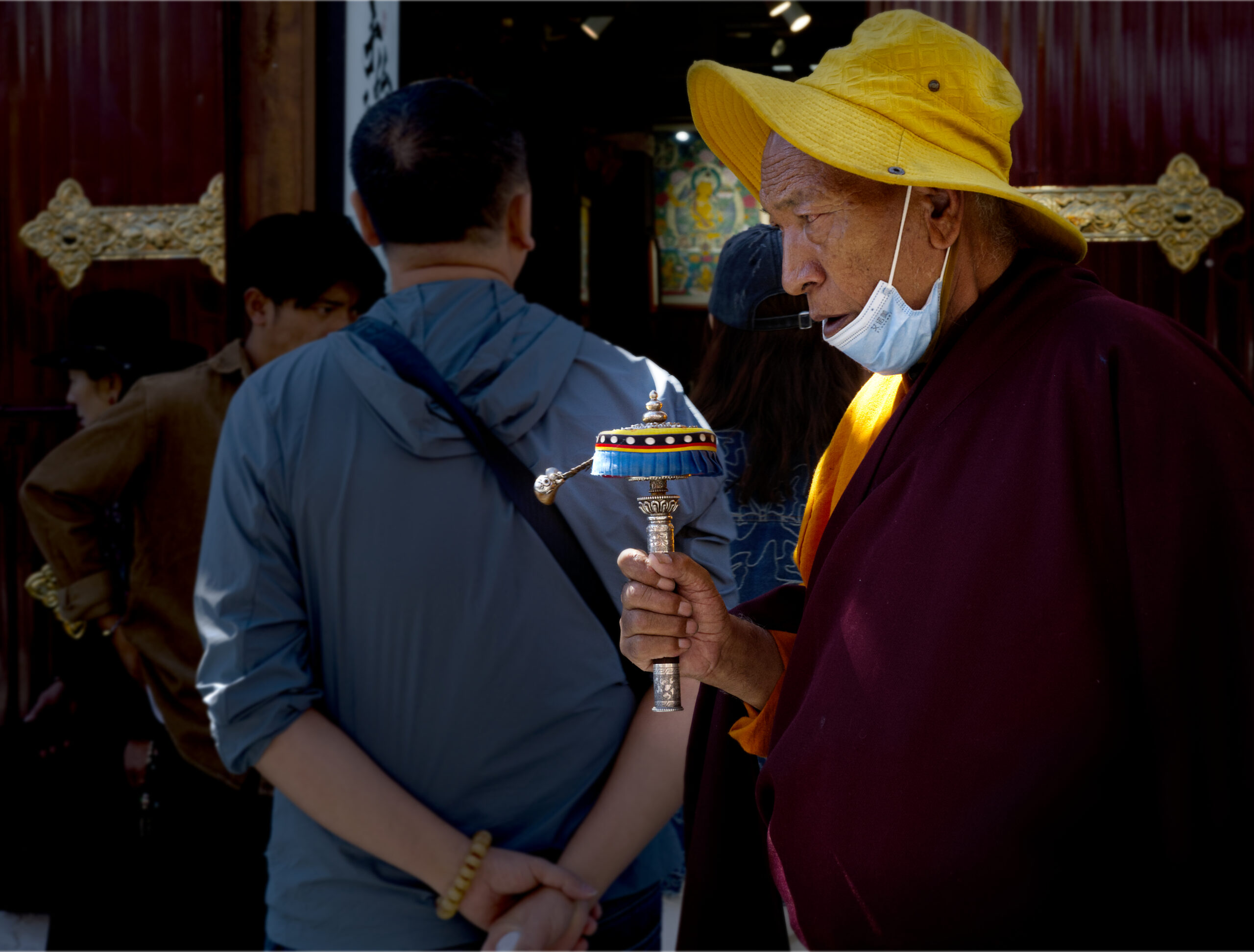
The people’s devotion to their many buddhas, myriad manifestations of compassion, devout, unconditional love, and blissful oblivion, astonishes me. Never had I witness devotees ambulating and prostrating for hours, even days at times, around temples and monasteries. Every corner is a place imbued with religious significance. They chant their mantras and spin their wheels while genuflecting or joining their hands in supplication. They seem completely unaware of their surroundings, as if out of their bodies.
I stare in awe, myself out of my body, too:
A photographer. A beggar. A fool.
the requiter
the confessor
infinite compassion

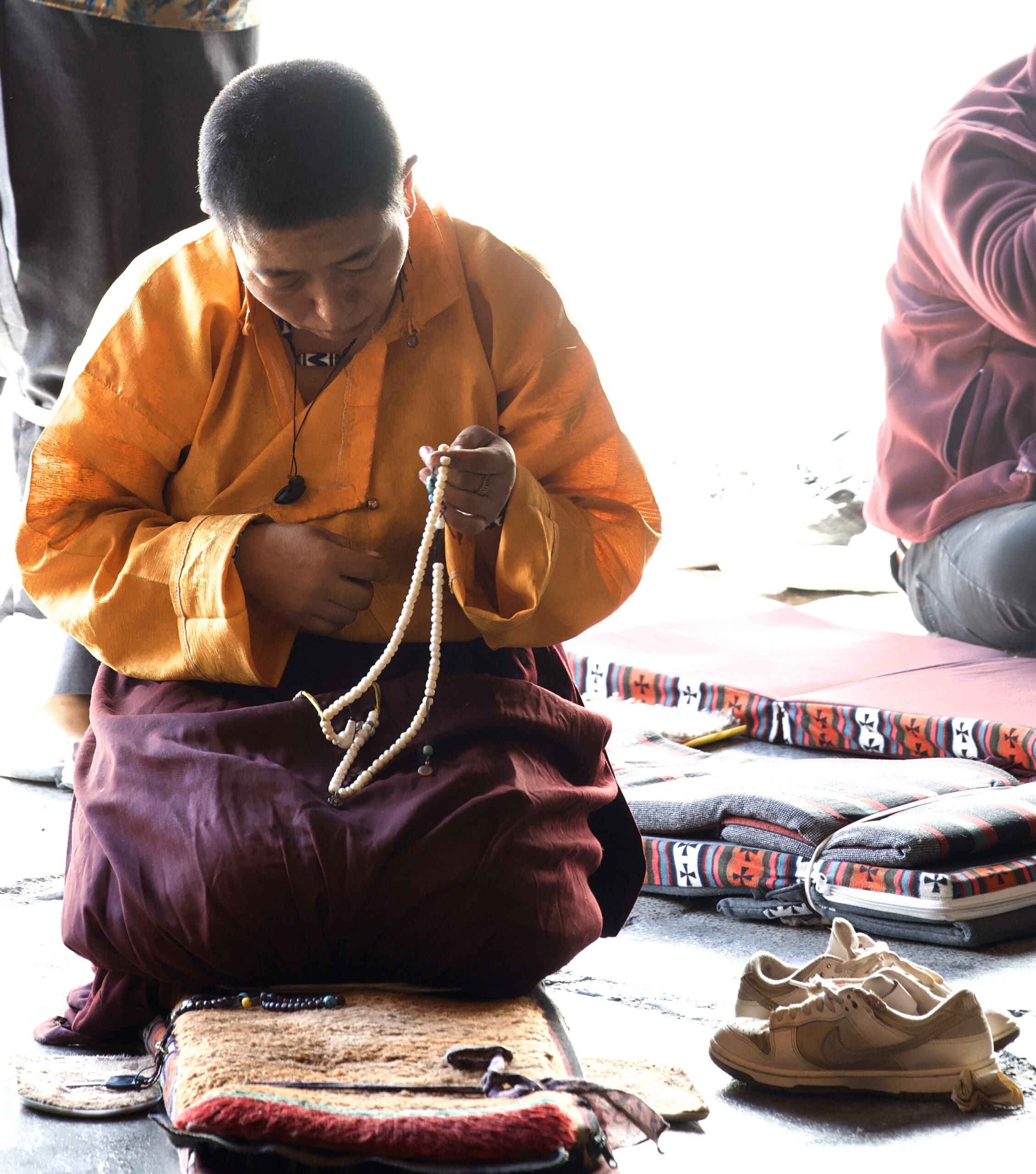
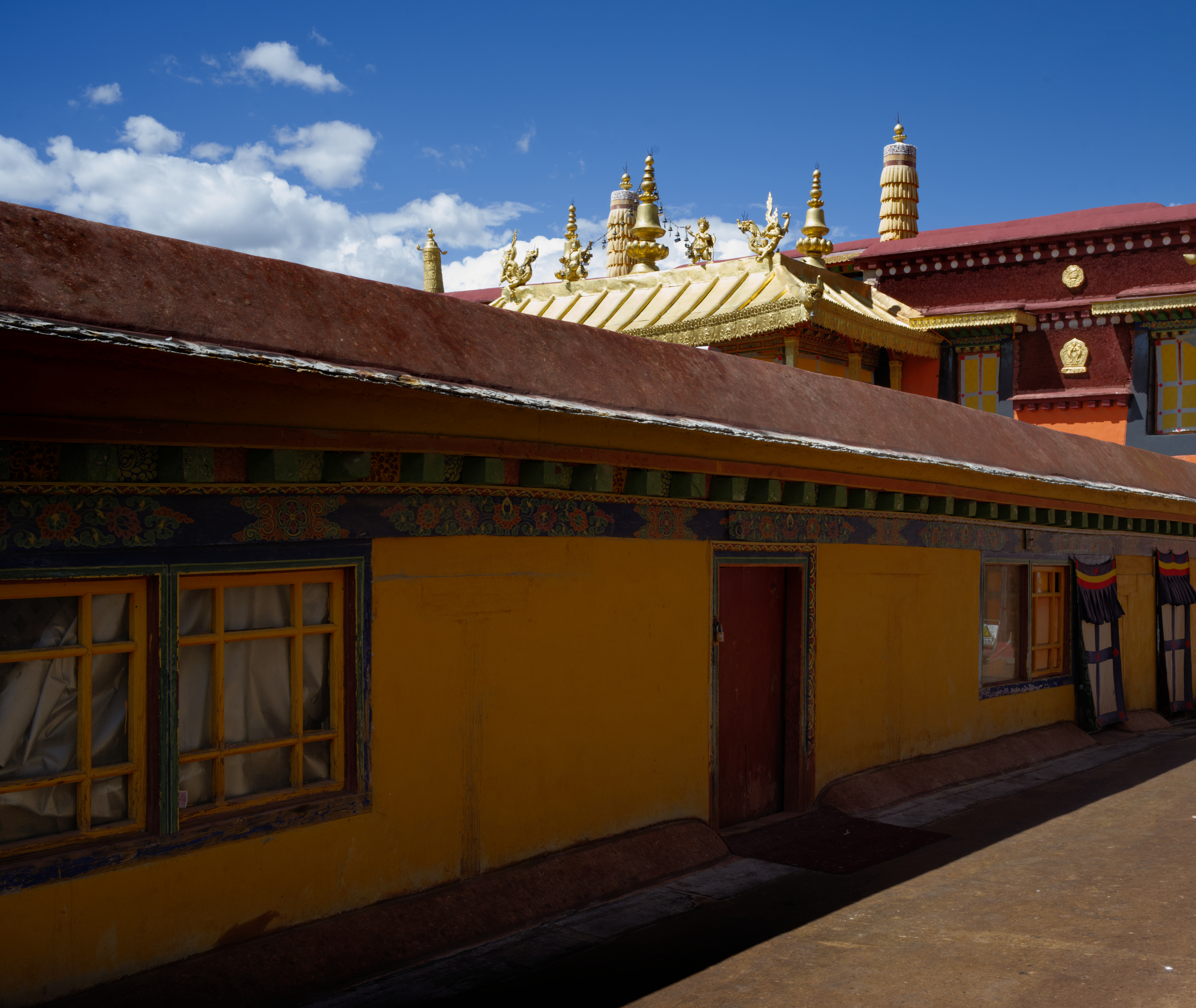
Men and women often choose to embark on a monastic path from an early age and relocate to places of high spiritual learning. For this, temples and monasteries are ubiquitous in the city. These complexes are brightly-colored and intricately-decorated. Hardly any light shines through from the world outside the walls. Dim lightbulbs and glowing candle flames are responsible for brightening up the spaces. Candles are lit non-stop, and devotees flood the halls to add butter to the burners, ensuring that the light never goes out.
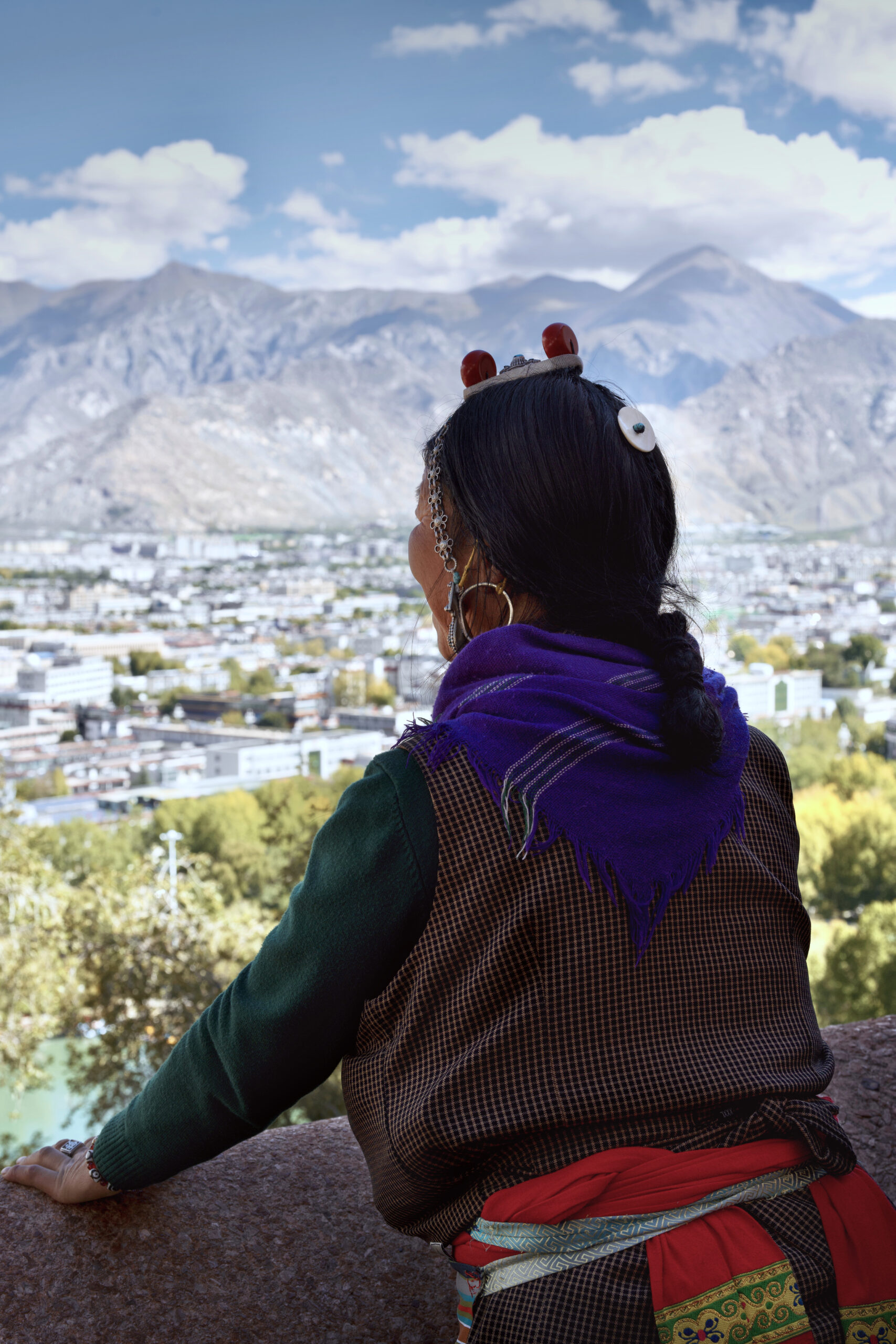
cultural patrimony
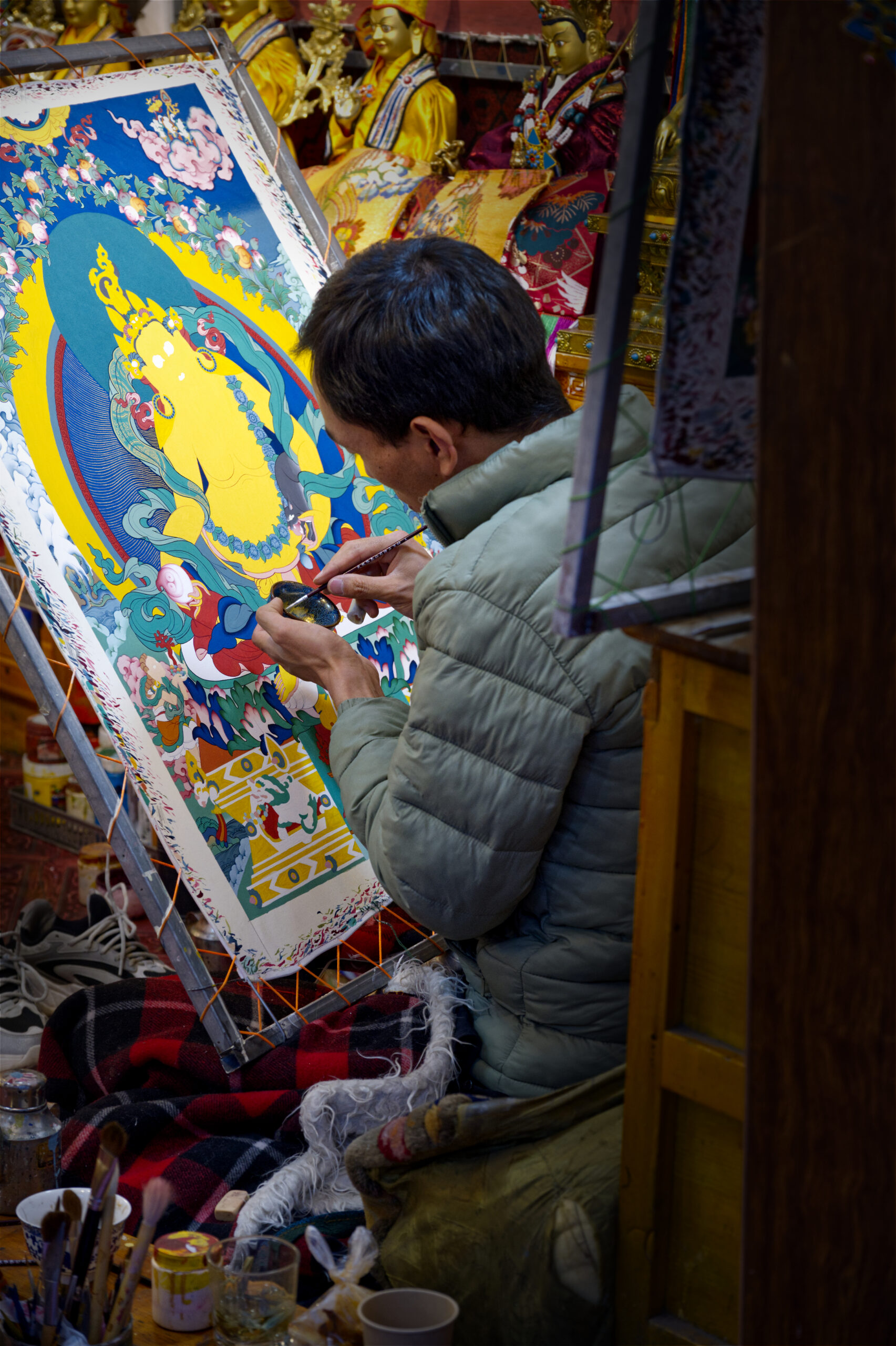
Tibetan Buddhism isn’t just about monastic asceticism and religious seclusion. In fact, in addition to being studious scholars of Buddhist sacred scriptures, monks and nuns are also learned astronomers, philosophers, healers, and artists.
Did you know…? Tibet has its own language and alphabet, a complex system comprised of thirty-four phonemes derived from Sanskrit. Although it is believed that the Tibetan alphabet was developed around the 7th century CE, inhabitants of several Himalayan regions, from Balti and Sikkim (modern-day Pakistan and India) to parts of Mongolia, have been speaking the language for much longer. Studies published in 2019 by the Max Planck Institute of Geoanthropology purport that the Sino-Tibetan language family may have originated as far back as 5,200 BCE with the rise of millet farming settlements.
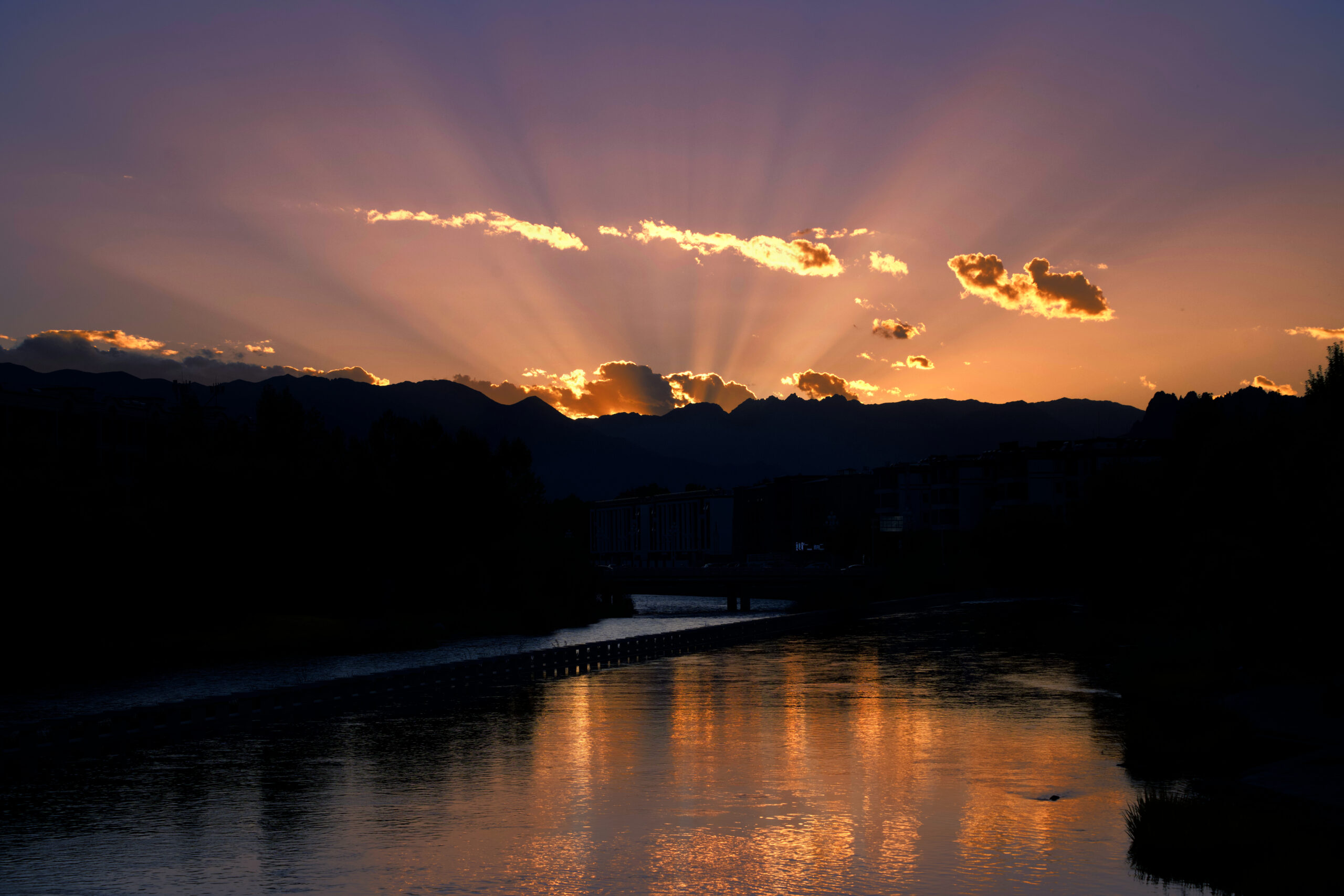
Tibet
…a land with a troubled past, an ambiguous present, and a fading future…
…but, after it sets, the sun will rise again.
Meet me on the road.
Yours truly,
G.