It’s no secret that I have a passion for travel and that I enjoy stepping out of my comfort zone to discover new places and cultures. In spite of my inclination to roam in search of experiences and wonder, I admit that there have been times where a city or country lacked the kind of energy that excites and amazes me. Some destinations simply didn’t resonate with me, regardless of my efforts to curb my expectations. Since I almost exclusively write about destinations that wowed me, this time, I’d like to share my experiences regarding well-known and celebrated European cities that failed to inspire me to return.
Barcelona
Visited in February 2026
Barcelona, the capital of the Mediterranean, left me feeling quite disappointed after my visits to Granada, Sevilla, and Toledo, which I adored equally. The regions of Andalusia and Castilla La Mancha were distinctive (and dare I say sensual) and rich in historical heritage and architectural charm. Andalusia showcased magnificent Moorish art, while La Mancha boasted a blend of medieval Catholic, Muslim, and Jewish architectural splendor. I anticipated a similar uniqueness from Catalunya. However, Barcelona struck me as just another European metropolis.
One factor that dampened my experience in Barcelona was its architectural landscape. Although the city is renowned for its stunning modernist designs, like Gaudí’s Sagrada Família and Park Güell, certain areas appeared insipid in style. The juxtaposition of modern and traditional buildings felt disjointed, resulting in a lack of harmony in some neighborhoods. This combination led to structures that seemed unremarkable or even neglected, overshadowing the city’s more iconic and celebrated architecture.
Another reason was the city’s rapid push toward modernization. While modernization can bring about exciting new developments, it also seems to lead to a loss of the city’s character. The emphasis on new construction and modern infrastructure made some areas feel less authentic, detracting from the cultural richness that I sought. The contrast between the historical allure and new, less distinctive buildings and avenues left me feeling disconnected from the city’s cultural heritage.
Furthermore, in recent decades, Barcelona has emerged as a global city, attracting millions of tourists annually. This influx of visitors and the city’s transformation into an international hub have profoundly influenced its identity. While tourism has brought economic benefits, it has also led to concerns about the “Disneyfication” of the city, where local culture is overshadowed by a more generic, tourist-friendly version – case in point, the gothic quarter, with its second-hand goth and eccentric souvenir shops.
After four days, the capital of Catalunya got me restless and feeling like I had run out of things to do and places to see.
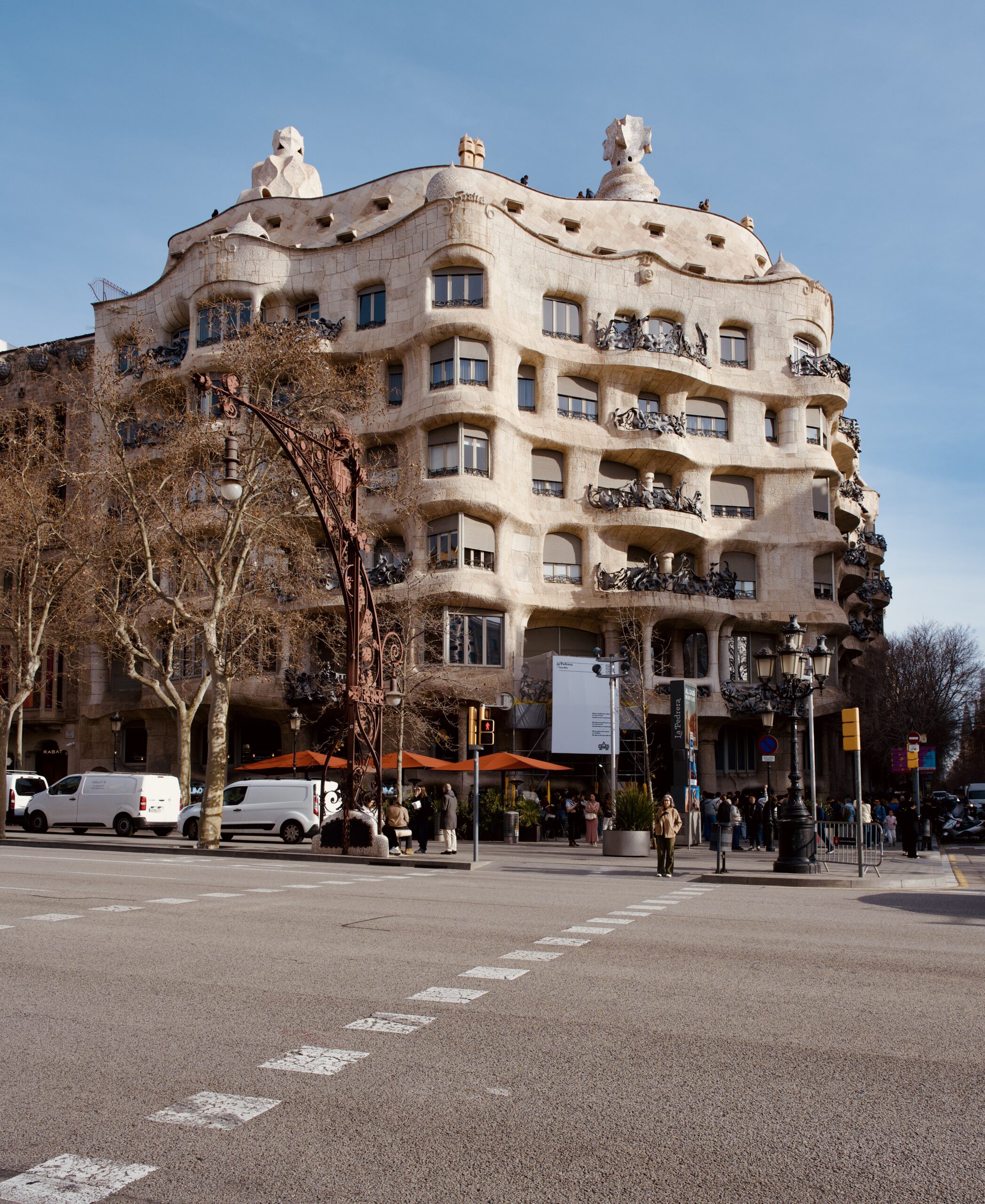
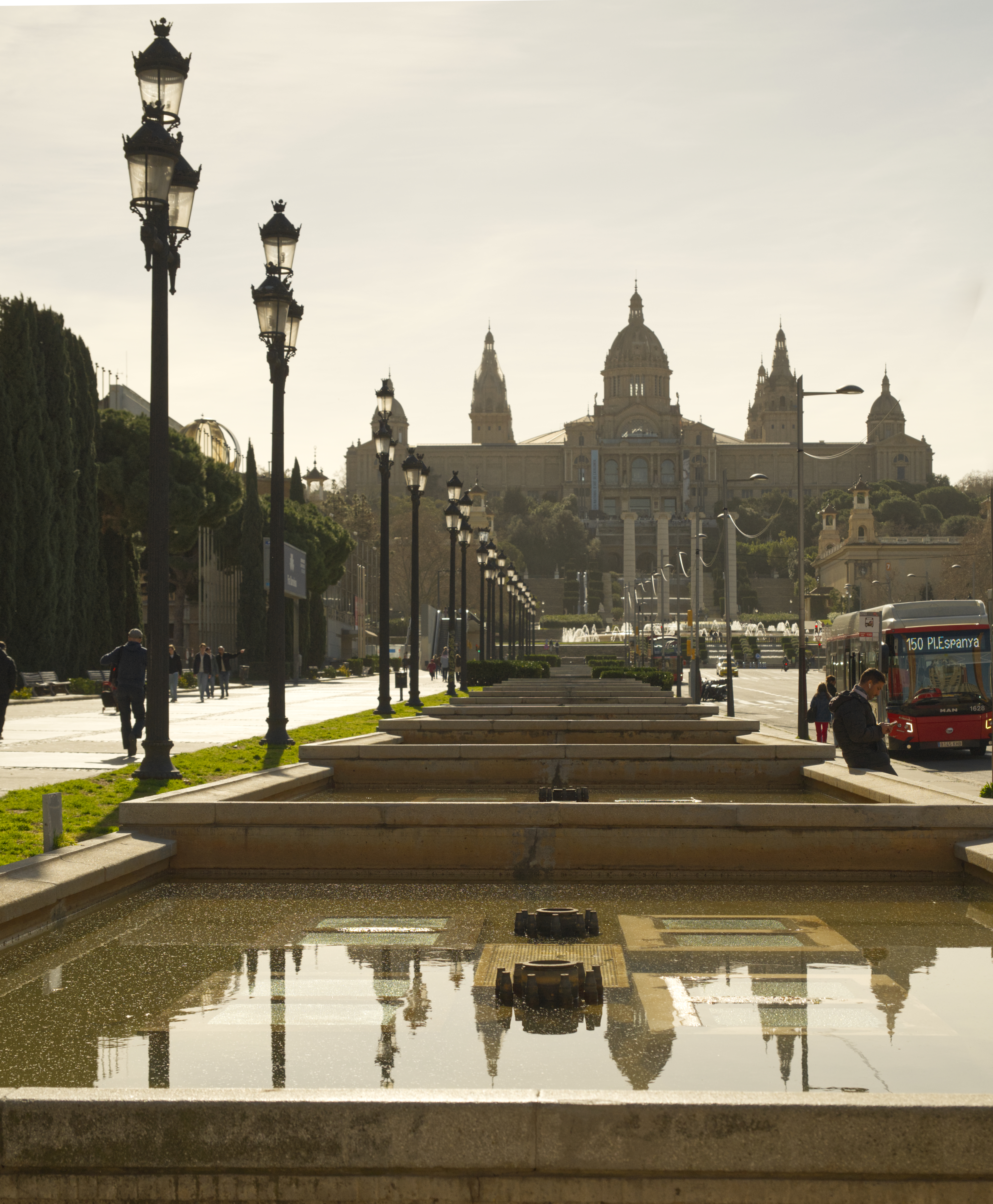
What I’m glad I did – Visited Casa Amatller
Casa Amatller is a less popular, but nevertheless stunning, example of Modernisme. Designed by Josep Puig i Cadafalch, it forms part of the “Block of Discord” on Passeig de Gràcia, alongside Casa Batlló and Casa Lleó Morera.
Commissioned in 1898 by chocolatier Antoni Amatller, the house reflects the family’s love for art and culture. Completed in 1900 by Puig i Cadafalch, it symbolizes Catalonia’s architectural innovation. The façade features a stepped gable and intricate carvings, adorned with floral motifs, mythological creatures, and the Amatller family coat of arms. Inside, the intricately-decorated atrium, dining room, bed chambers, and reception hall greet you and take you back to the gilded and prosperous Barcelona of the past.
Athens
Visited in May 2022
Athens is a city overflowing with remarkable history and ancient architectural marvels; yet I encountered a few aspects that didn’t play in its favor. One of the main challenges I faced was the urban environment. The air quality, particularly in the warmer months, was noticeably poor due to the high population density and heavy traffic. As someone who is sensitive to environmental conditions, I found it difficult to overlook the city’s pollution. While walking in certain areas, I often observed litter strewn across the streets, which significantly diminished the city’s overall allure.
Additionally, I was struck by how crowded and hectic the city felt. Although the public transportation system is extensive, it tends to be overcrowded, especially during peak hours. Maneuvering through the bustling crowds around major tourist attractions, like the Acropolis, proved to be somewhat overwhelming. As a major tourist destination, Athens’ historical sites and attractions can become heavily crowded, especially at the height of the tourist season. This made exploring landmarks less enjoyable due to long lines and limited personal space.
Following the global financial crisis of 2008, Greece has faced significant economic challenges, which Athens continues to strive to mitigate. While I was there, I observed indicators of economic strain, such as shuttered shops and infrastructure requiring maintenance. These factors influenced my perception of the city.
Despite these challenges, many people still find Athens to be a fascinating and worthwhile destination. Recognizing these potential drawbacks can help visitors prepare and make the most of their experience in this iconic city.
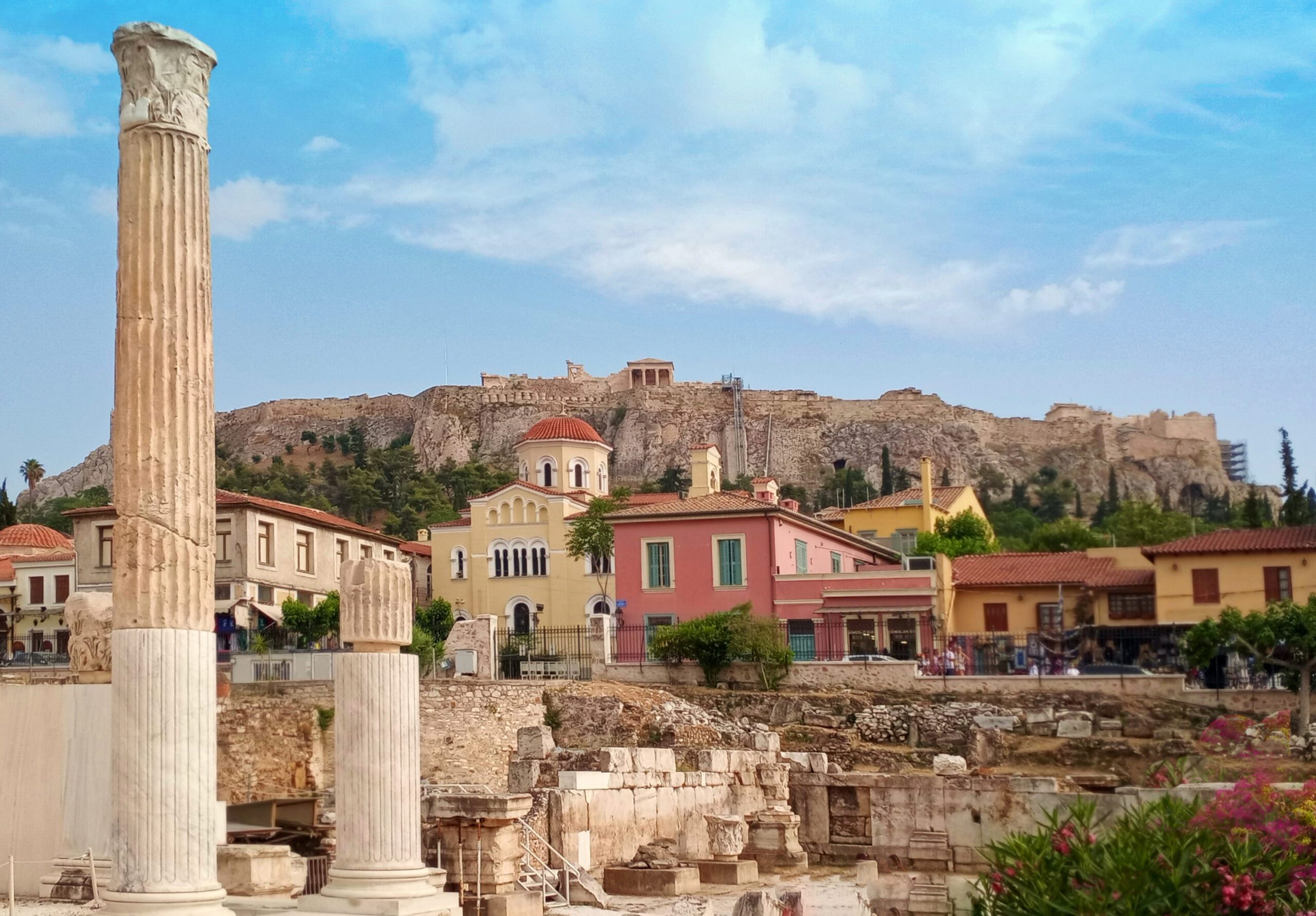
What I’m glad I did – Meandered Through the Alleys of Plaka
Plaka is a historic district located just beneath the Acropolis of Athens. This charming area is known for its picturesque streets, vibrant culture, and rich history.
The quarter is one of the oldest sections of Athens, with its roots tracing back to ancient times. It has been continuously inhabited since antiquity, making it a living testament to the city’s long and storied past. The neighborhood’s narrow, winding streets are reminiscent of a bygone era, offering a glimpse into the architectural styles and urban planning of ancient Greece.
The architecture in Plaka is a delightful mix of neoclassical buildings, Byzantine churches, and ancient ruins. As you stroll through its cobblestone streets, you’ll encounter beautifully preserved houses painted in soft pastel colors, adorned with wooden shutters, climbing bougainvillea, and flowering balconies.
Vienna
Visited in June 2018
Vienna, the capital of Austria, often conjures images of grand palaces, classical music, and a rich tapestry of history. However, not every traveler finds Vienna to be the epitome of charm it’s often portrayed as. I know that I didn’t.
While Vienna boasts a rich history, it is also a modern city that continues to evolve. This blend of the old and new didn’t sit well with me, as I felt that the modern developments detracted from the city’s character. The spread of new developments and urban sprawl made parts of Vienna feel less like a historical haven and more like any other Western city. Because of its modern transformations, I got the impression that Vienna had lost much of its unique charm and cultural richness. Cobblestone streets, opera houses, eclectic coffeehouses, and arts parlors, which once offered an artistic escape and set the city apart from other European capitals, felt overwhelmed by the encroaching sense of gentrifying uniformity and modernity.
I remember how, in the heart of the city, vibrant markets struggled to maintain their vibrancy, as they showcased colorful produce and artisanal crafts that seemed more like a forced nod to tradition rather than a genuine reflection of it. I felt that Vienna was a place where the past and present clashed awkwardly and left me unfulfilled and confused. I truly wanted to like it, but sadly I didn’t care for its vibrations.
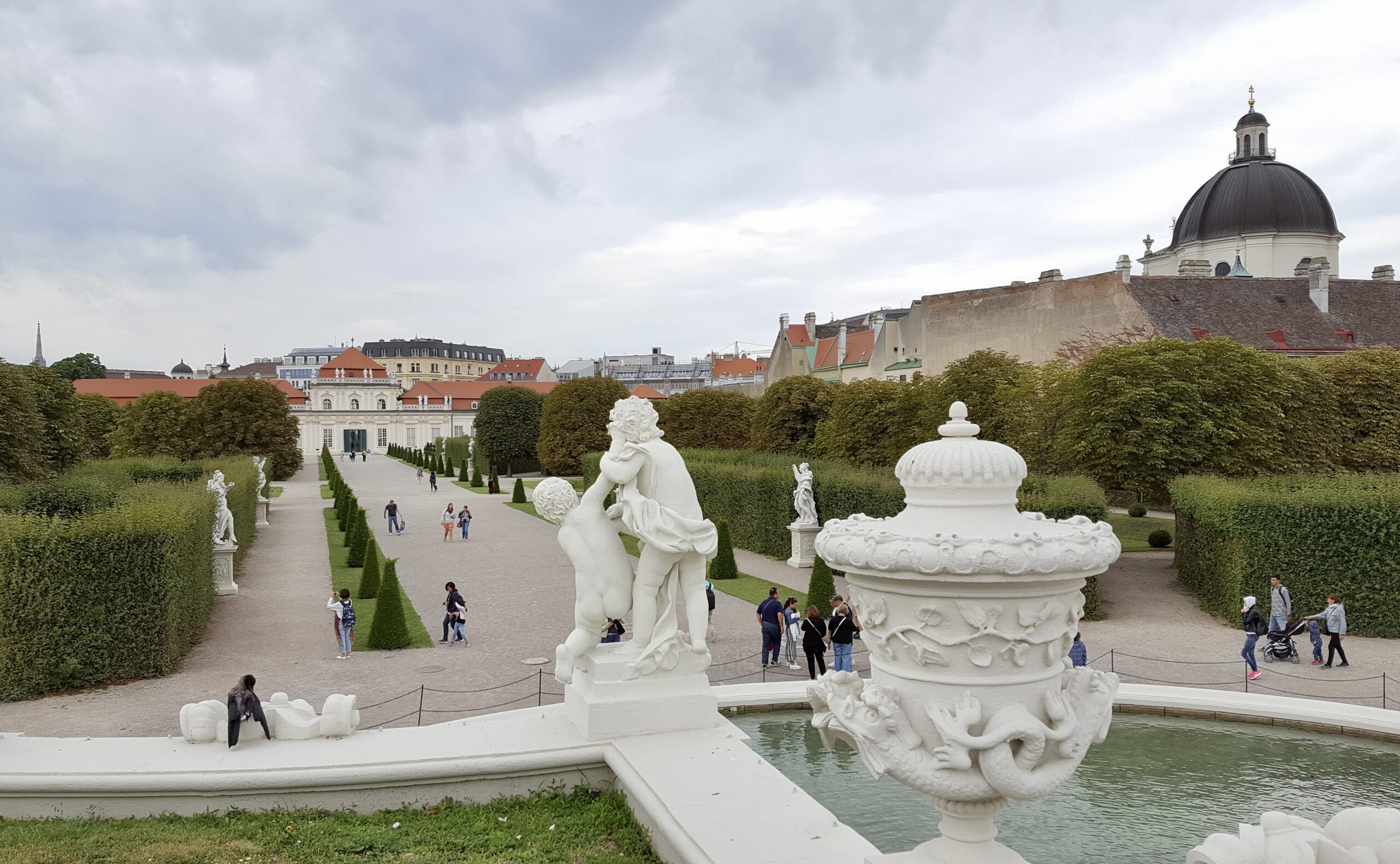
What I’m glad I did – Took a Whole Day to Visit the Belvedere Museum
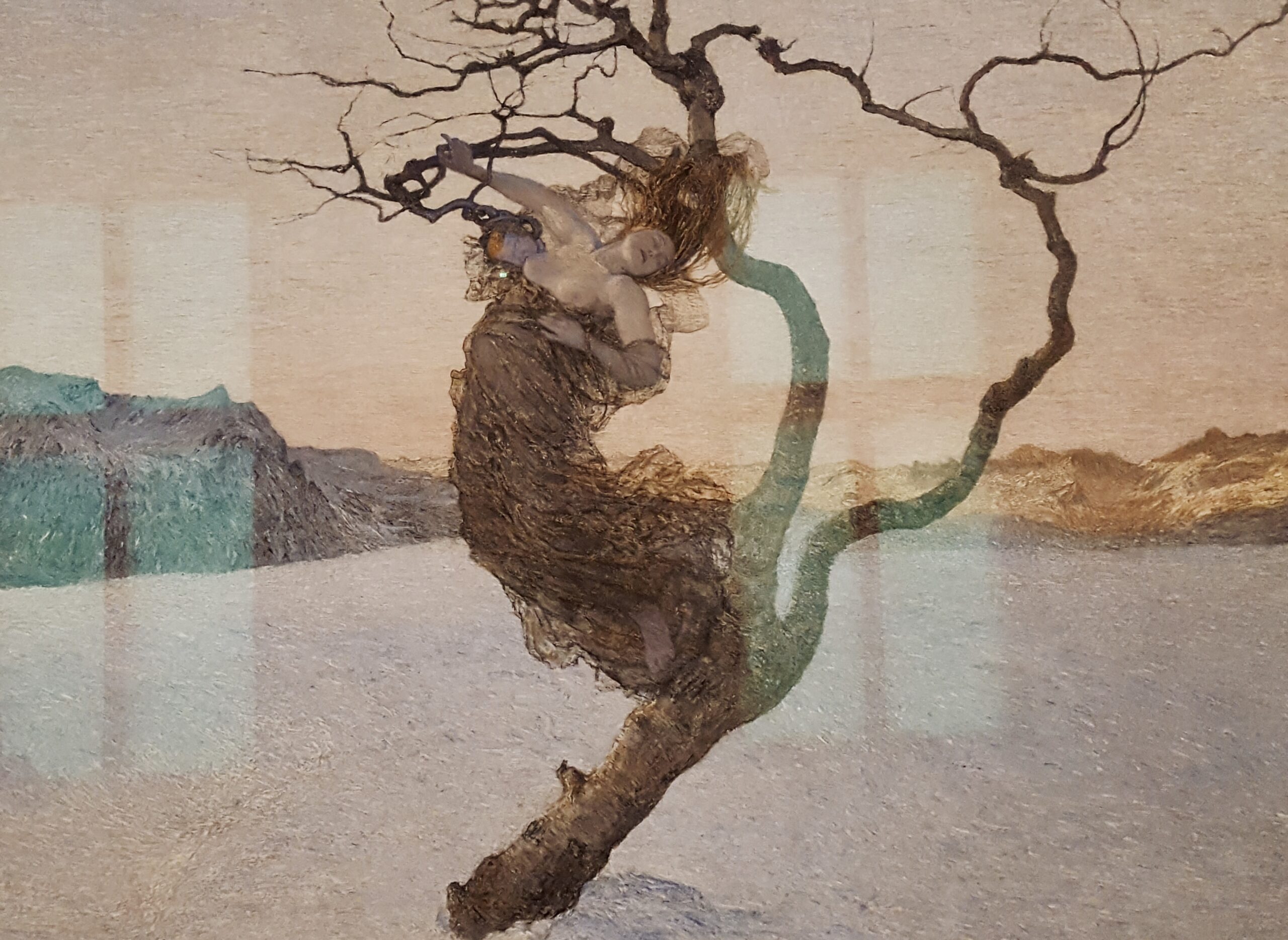
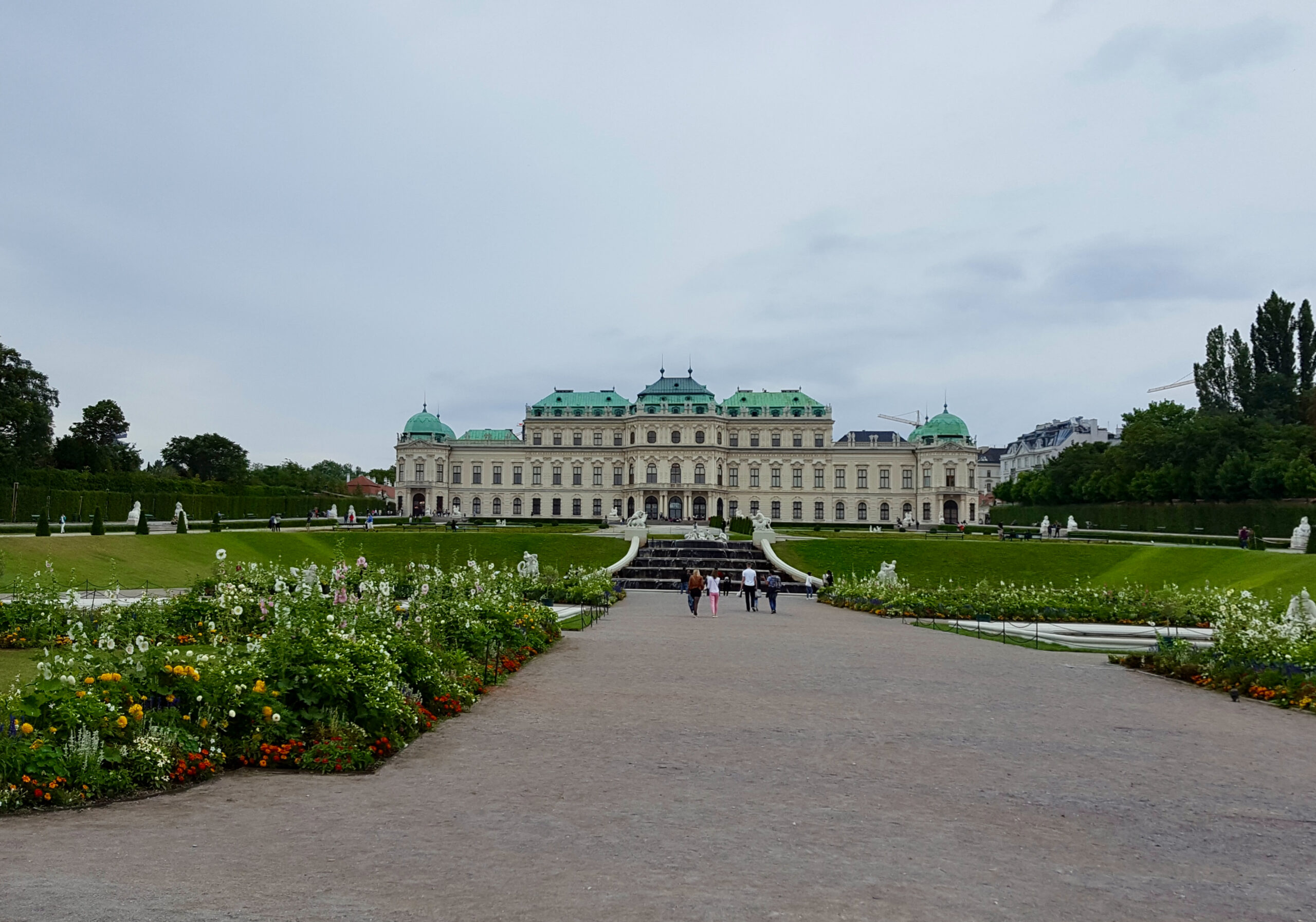
The Belvedere Museum in Vienna is a stunning example of Baroque architecture, housing an impressive collection of artwork that spans centuries. The museum is split into two main buildings: the Upper Belvedere and the Lower Belvedere, each offering its own unique charm and treasures. The Upper Belvedere is renowned for its extensive collection of Austrian art, including the largest collection of Gustav Klimt’s paintings in the world, featuring the iconic masterpiece “The Kiss.” Here I also had the privilege of admiring works authored by some of my favorite artists, such as Egon Schiele and Oskar Kokoschka.
The Lower Belvedere often hosts temporary exhibitions that delve into various artistic movements and themes. Beyond the art, the Belvedere’s perfectly landscaped gardens provide a green escape, inviting guests to stroll along its pathways and hedges. Whether you are an art enthusiast or simply enjoy exploring historical sites, the Belvedere Museum offers a rich cultural experience that leaves a lasting impression on all who visit.
Visit the photography shop to find the travelscape that speaks to you. Different sizes and formats to choose from are available. Need something custom-made? drop us an email at gloriap@apronandsuitcase.com
Antwerp
Visited in February 2026
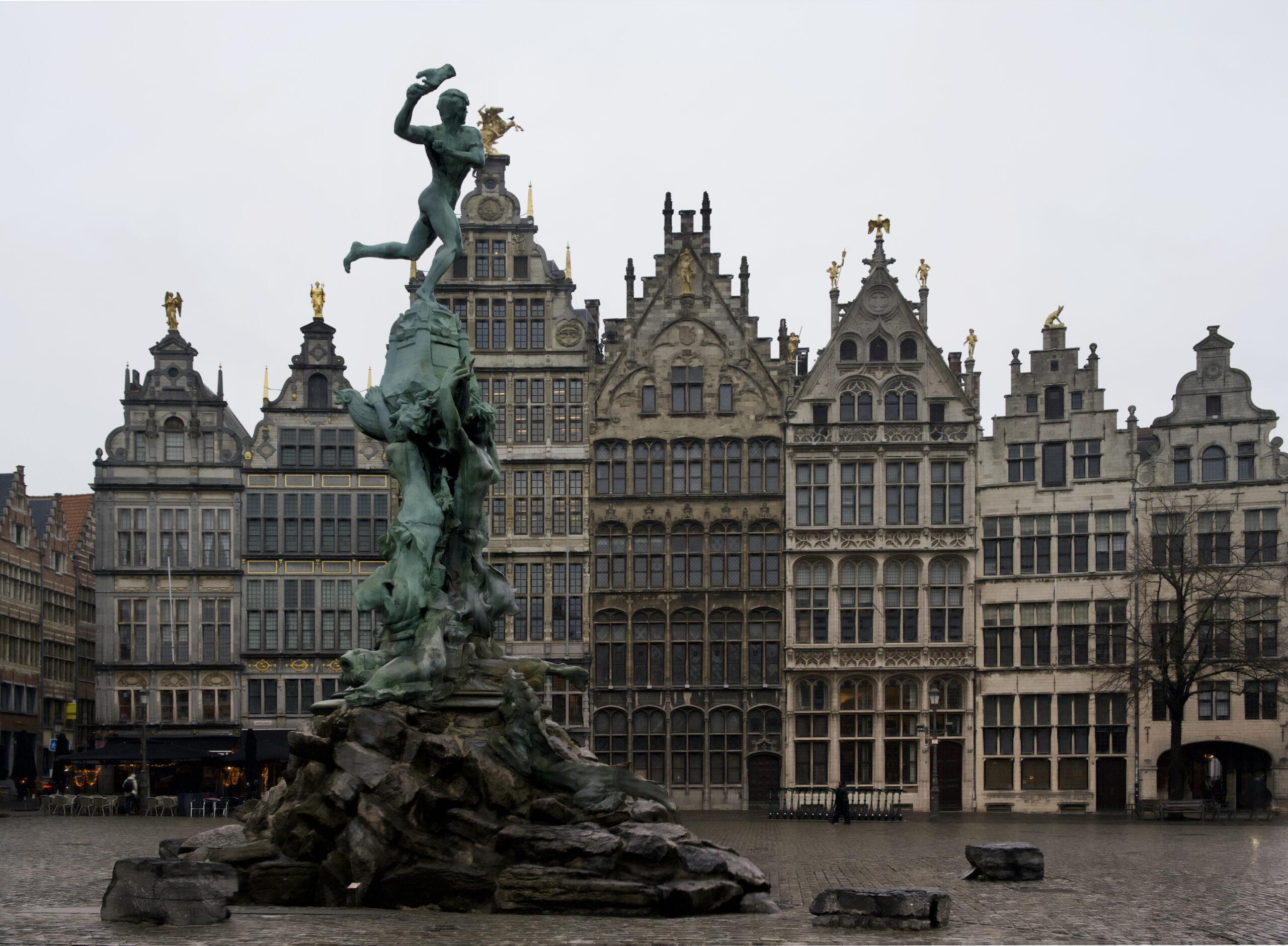
When I think back on my time in Antwerp, a city celebrated for its vibrant culture and rich history, I find myself with mixed feelings. While some people might revel in its architectural splendor and cultural offerings, I found certain aspects of the city less appealing.
Antwerp, like many urban environments, struggles to balance development with nature. The scarcity of green spaces was a significant drawback for me, as I often find a respite from city life when sitting under tree canopies and on soft grassy knolls. I think that many people would agree with me on the importance of green spaces in urban areas. Parks and gardens are crucial for enhancing the livability of any city, providing a connection with nature along with areas for relaxation and recreation. In Antwerp, the limited number of parks made the town feel more urbanized and less inviting, a place that I longed to escape.
Unfortunately, and I am aware that this is situational, the constant roadwork, closed-off landmarks, and building scaffolding made the city feel like a loud and sprawling construction site. While these developments are often part of efforts to modernize infrastructure and improve urban living, they were disruptive and detracted from the city’s charm. The noise, dust, and detours detracted from the beauty of historical buildings and scenic streets, making it challenging for me to fully appreciate the true spirit of the city.
True, the city in the Flanders is renowned for its culinary scene, offering a range of dining options from traditional Belgian cuisine to international delights. However, I found the cost of dining out in the city to be quite prohibitive. Restaurants in popular tourist areas often charged premium prices, which made it difficult for a budget-conscious traveler like me to enjoy the local food culture fully.
What I’m glad I did – Went to the KMSKA (Royal Museum of Fine Arts)
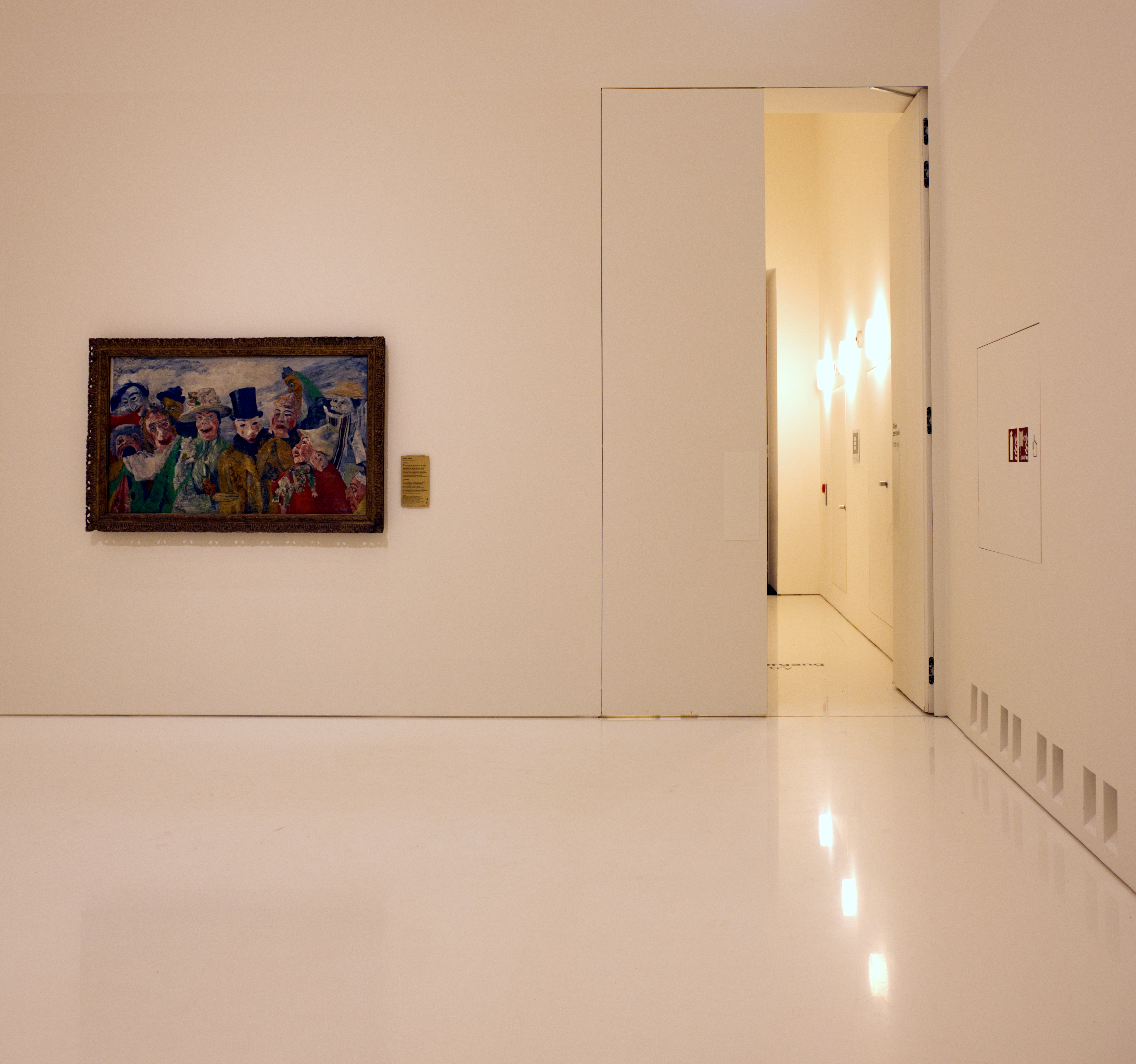
A beacon of artistic heritage and culture in Belgium, the Royal Museum of Fine Arts reopened after an extensive set of renovations, some of which are still ongoing. The museum boasts an impressive collection that spans centuries, featuring masterpieces from the Flemish Primitives to the Belgian modernists and surrealists.
The museum is home to works by renowned artists such as Peter Paul Rubens, Anthony van Dyck, and James Ensor, offering a deep dive into the rich, and often overlooked, history of Flemish art. Each gallery invites guests to embark on a visual journey through time, exploring themes of beauty, emotion, and innovation.
In conclusion…
Travel is a multifaceted experience, and perspectives on it can vary wildly from person to person. This diversity of viewpoints makes travel a rich and dynamic subject to explore. Travel is a multifaceted experience, and perspectives on it can vary wildly from person to person. This diversity of viewpoints makes travel a rich and dynamic subject to explore. My intention with this article is not to diminish the distinctiveness of the locations I explored, but instead to offer an honest reflection of my emotions regarding certain places. I am grateful for the opportunity to visit them, even though they left me feeling somewhat let down.
Until we meet on the road again soon.
Yours truly,
G.