Nestled in the heart of Sichuan Province, Leshan is a captivating destination that beckons travelers with its rich history, natural beauty, and cultural significance. Just a short distance from Chengdu, Leshan presents an ideal retreat for those seeking to explore beyond the bustling urban life of the capital of Sichuan.
Leshan offers a tapestry of experiences that celebrate both tradition and modernity. The vibrant local markets brim with the aromas of Sichuan cuisine, inviting visitors to savor spicy dishes that tantalize the taste buds. Tea houses provide a perfect setting for relaxation, while the surrounding mountains and lush landscapes offer hiking trails that lead to breathtaking vistas and places adequate for otherworldly contemplations.
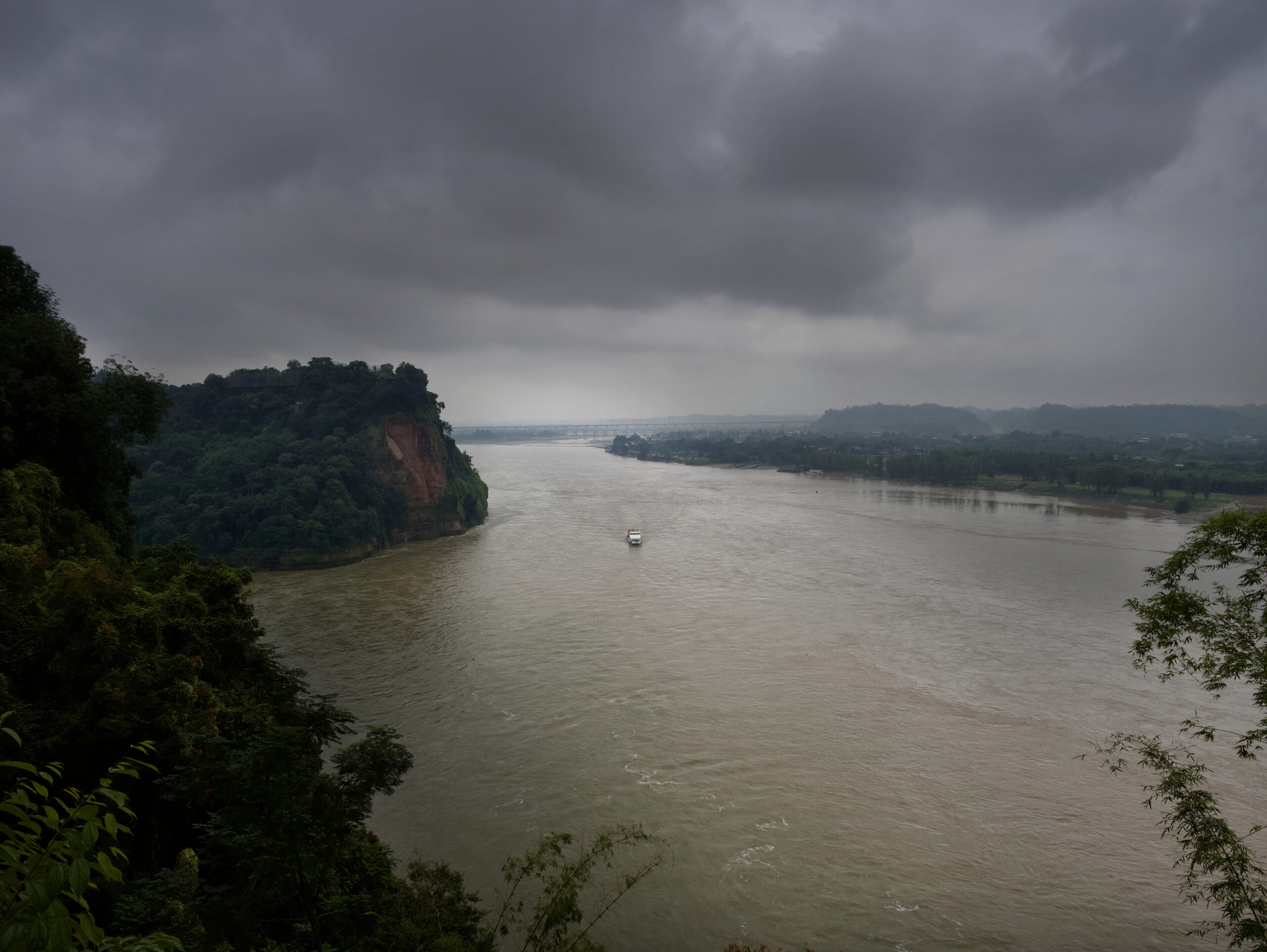
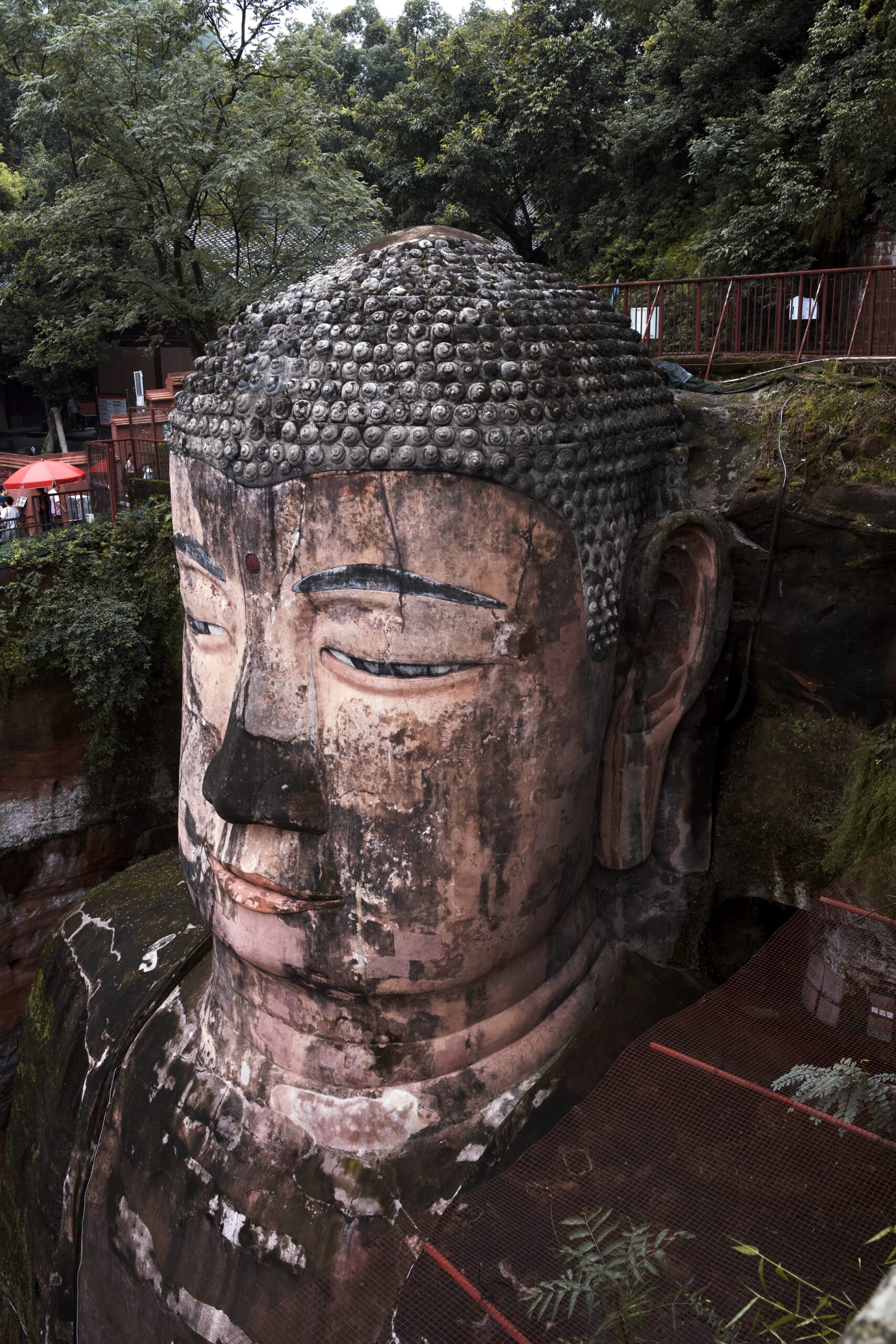
Visitors are often drawn to the awe-inspiring Giant Buddha, a UNESCO World Heritage site that stands as a testament to ancient engineering and artistic prowess. Carved in a mountain side in the 8th century CE during the Tang Dynasty, this huge masterpiece that’s a staggering 233 feet of sandstone looks down on the confluence of three rivers: the Min, Qingyi, and Dadu. Impressive as it may be, it isn’t the Giant Buddha that makes the trip worthwhile.
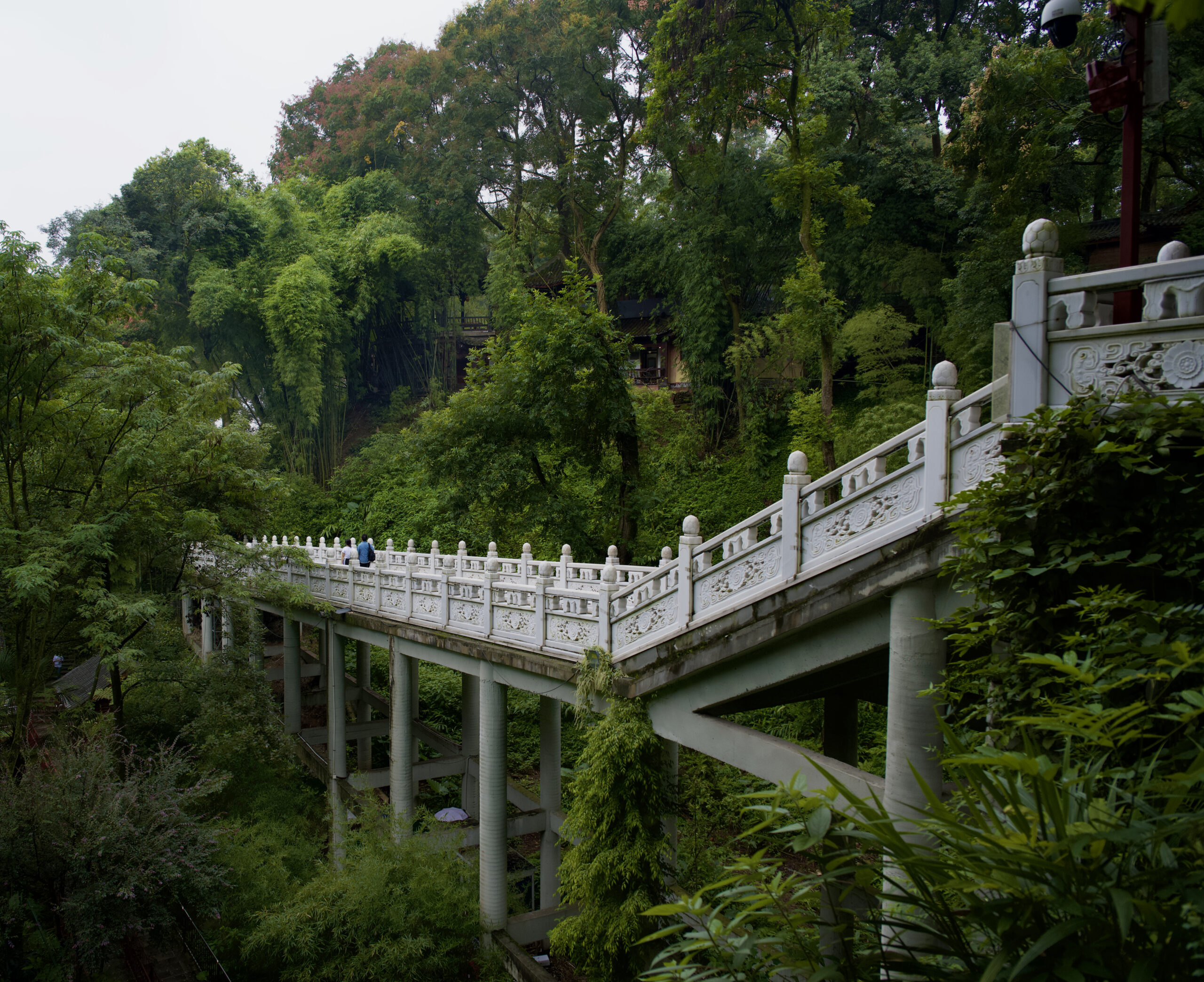
a walking meditation
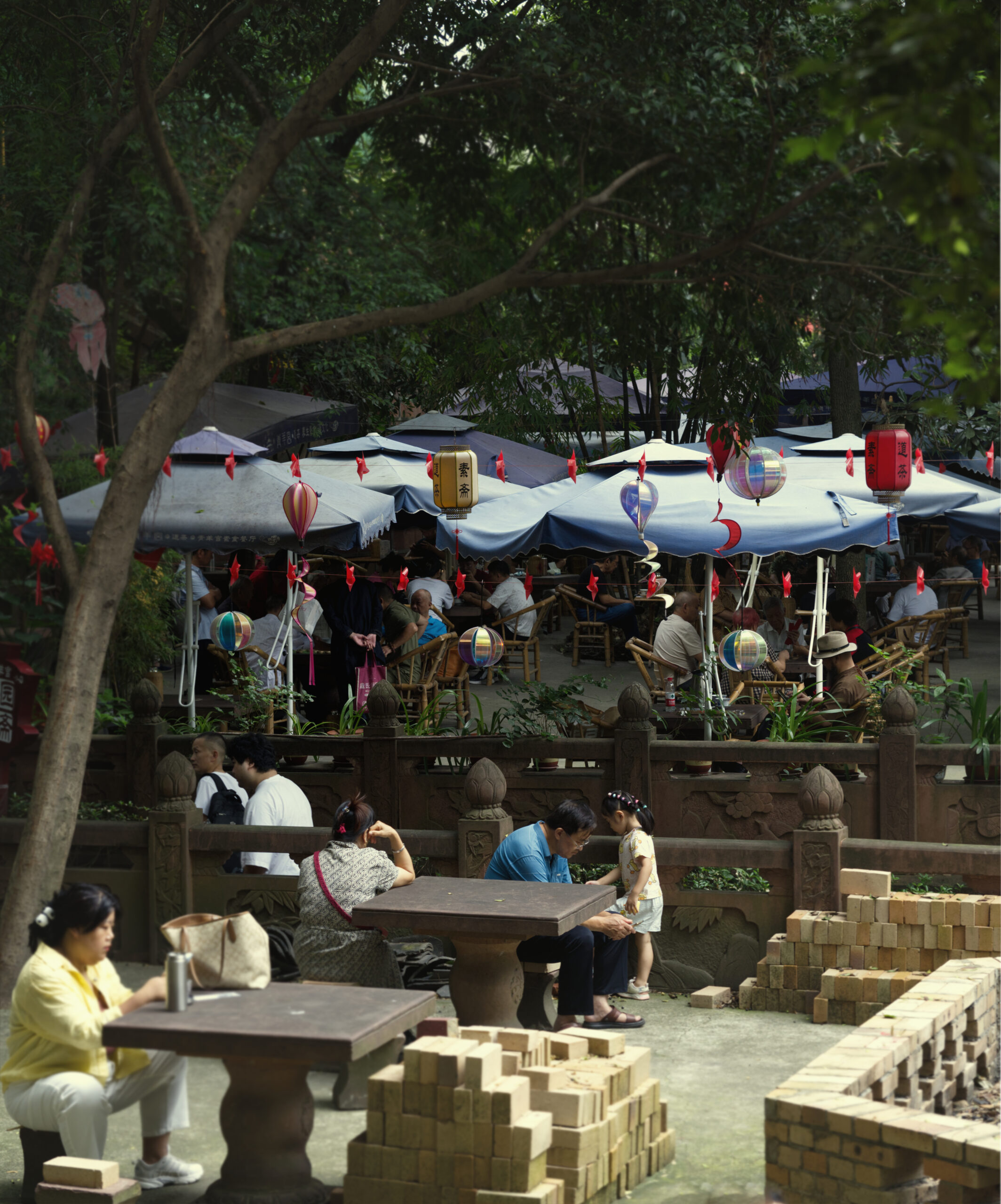
It’s the harmonious blend of natural beauty and cultural heritage that truly captivates the visitor. The region is a haven for those seeking tranquility and a deeper connection with nature. Lush green hills surround the heritage site, providing a serene backdrop that enhances the forest’s grandeur. As you explore the area, you’ll discover quaint tea houses nestled among bamboo groves, where the soothing aroma of freshly brewed tea mingles with the crisp mountain air.
The local cuisine is another highlight, offering a delightful array of Sichuan specialties that tantalize the taste buds with their bold flavors and spicy kick. Wandering through the bustling streets of Leshan, you’ll encounter friendly locals eager to share stories of their rich history and vibrant culture.
For the adventurous, nearby hiking trails offer viewpoints of the river valley and the chance to witness the diverse flora and fauna unique to this part of China. Whether you’re there to admire the artistry of the ancient statue or to immerse yourself in the enchanting landscape, a visit to Leshan promises an unforgettable experience that transcends the ordinary.
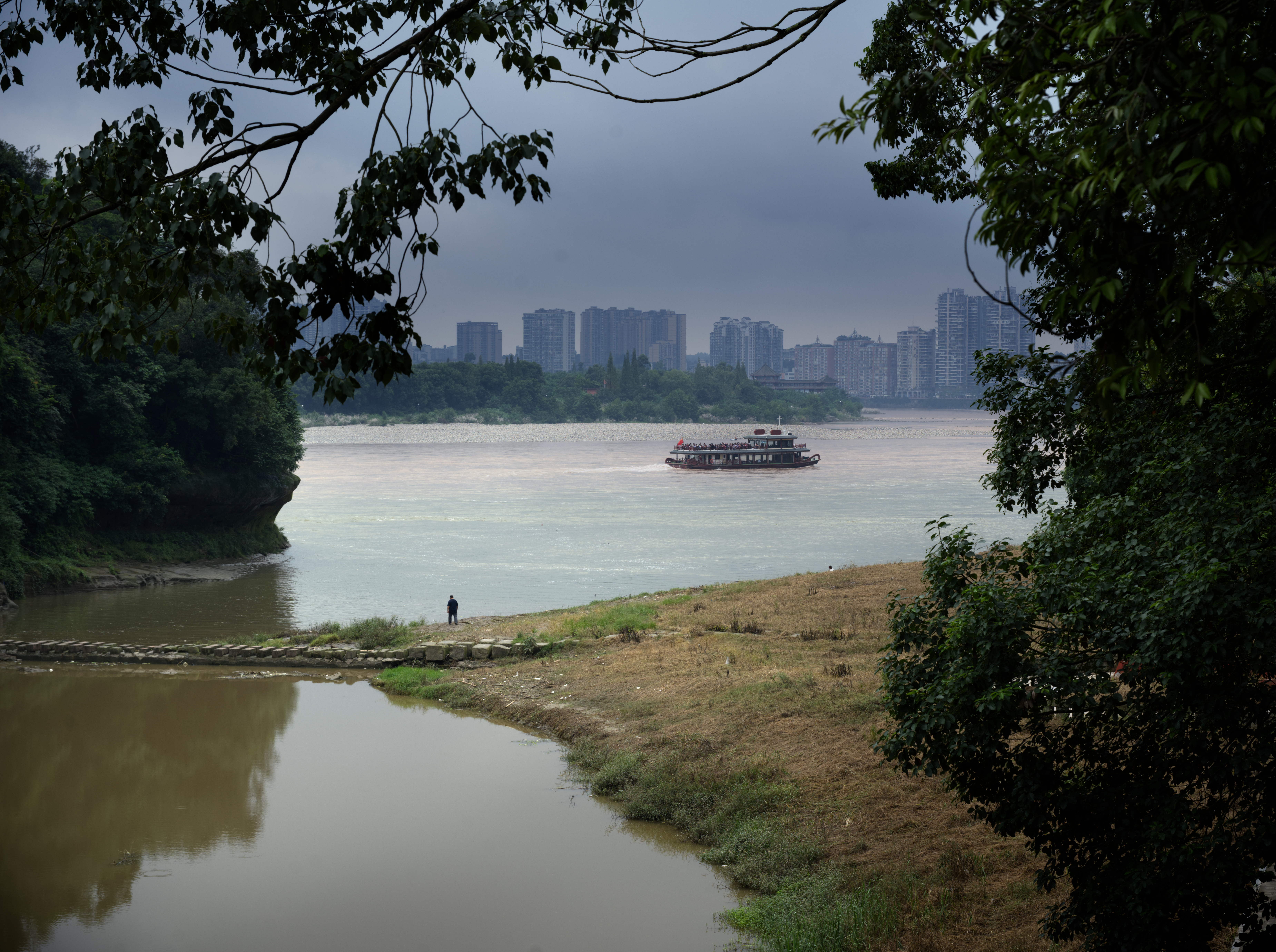
How to get there
- Take the regional high-speed train departing from Chengdu East Station.
- With speeds reaching 250 km/h, you’ll arrive at your destination in no time.
- The train service is both affordable and runs frequently from the province’s capital.
- Remember to bring your passport, as it is required to purchase your ticket.
I felt cheated – a personal anecdote
It was on a rainy September day that I visited the town. Unaware that the Giant Buddha was a prominent attraction, I couldn’t help but feel disappointed when I saw that, despite the downpour, the observation platforms were brimming with tourists seeking to take a selfie with the landmark. Given the unfavorable conditions, I opted to forgo the river cruise and instead ventured along a lesser-known, muddy path to escape the throngs of visitors. As I ascended toward the Moon Temple and Su’s Bonsai Garden, the gentle patter of raindrops accompanied me through the serene, verdant landscape, adorned with Zen gardens and Buddhist temples, which underscored the area’s inherent beauty and tranquility.
Visit the photography shop to find the travelscape that speaks to you. Different sizes and formats to choose from are available. need something custom-made? drop us an email at gloriap@apronandsuitcase.com
…the best parts are the roads less traveled
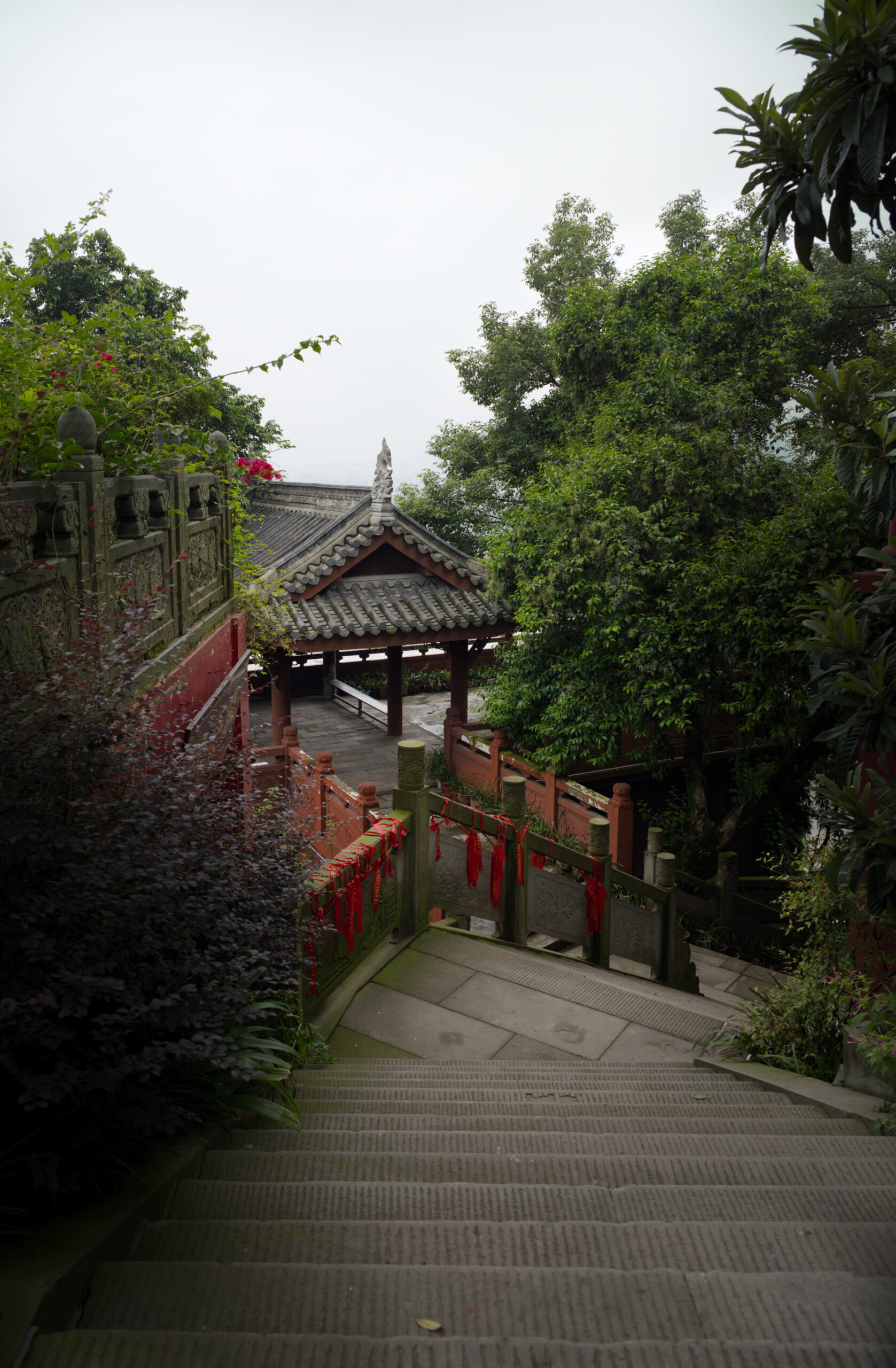
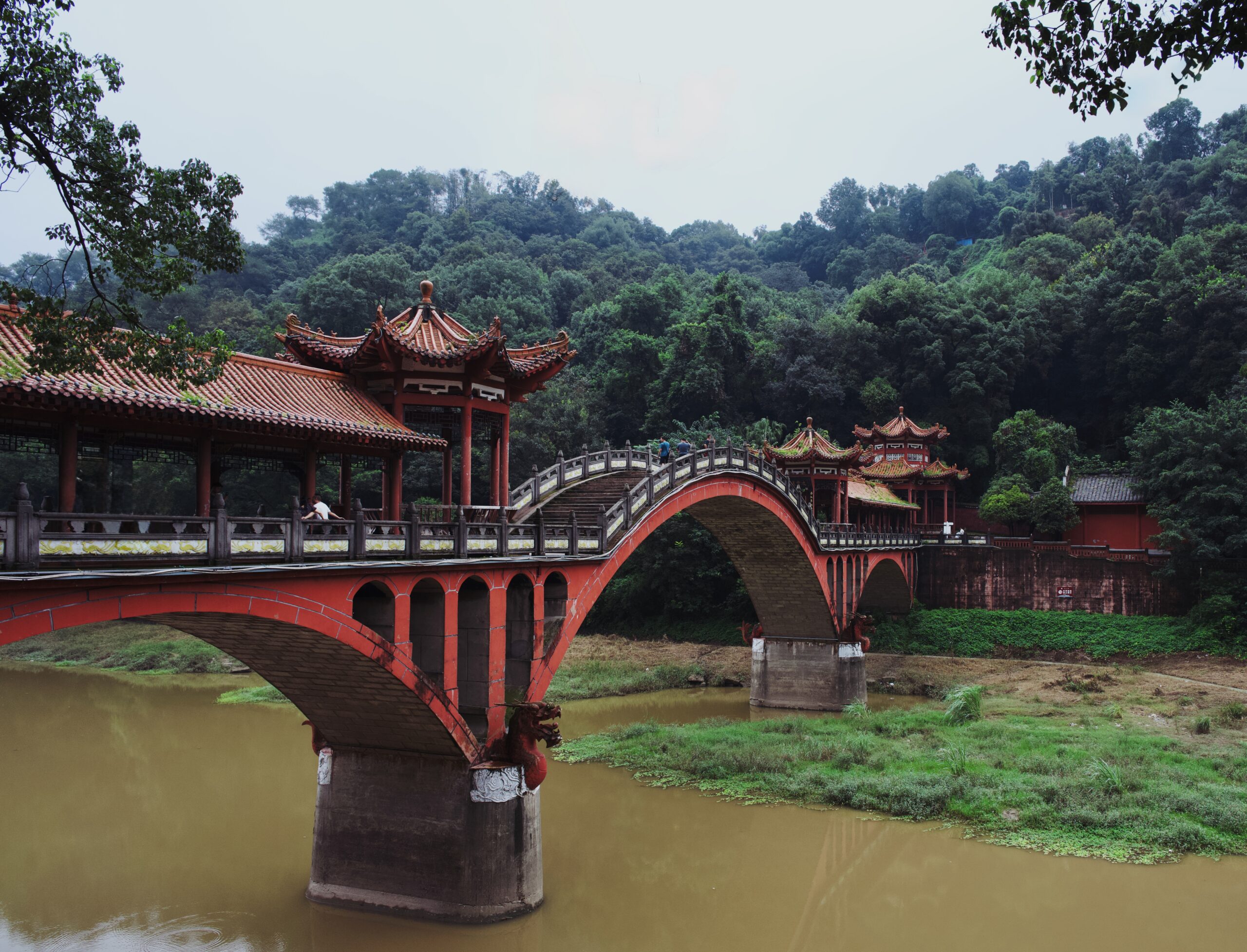
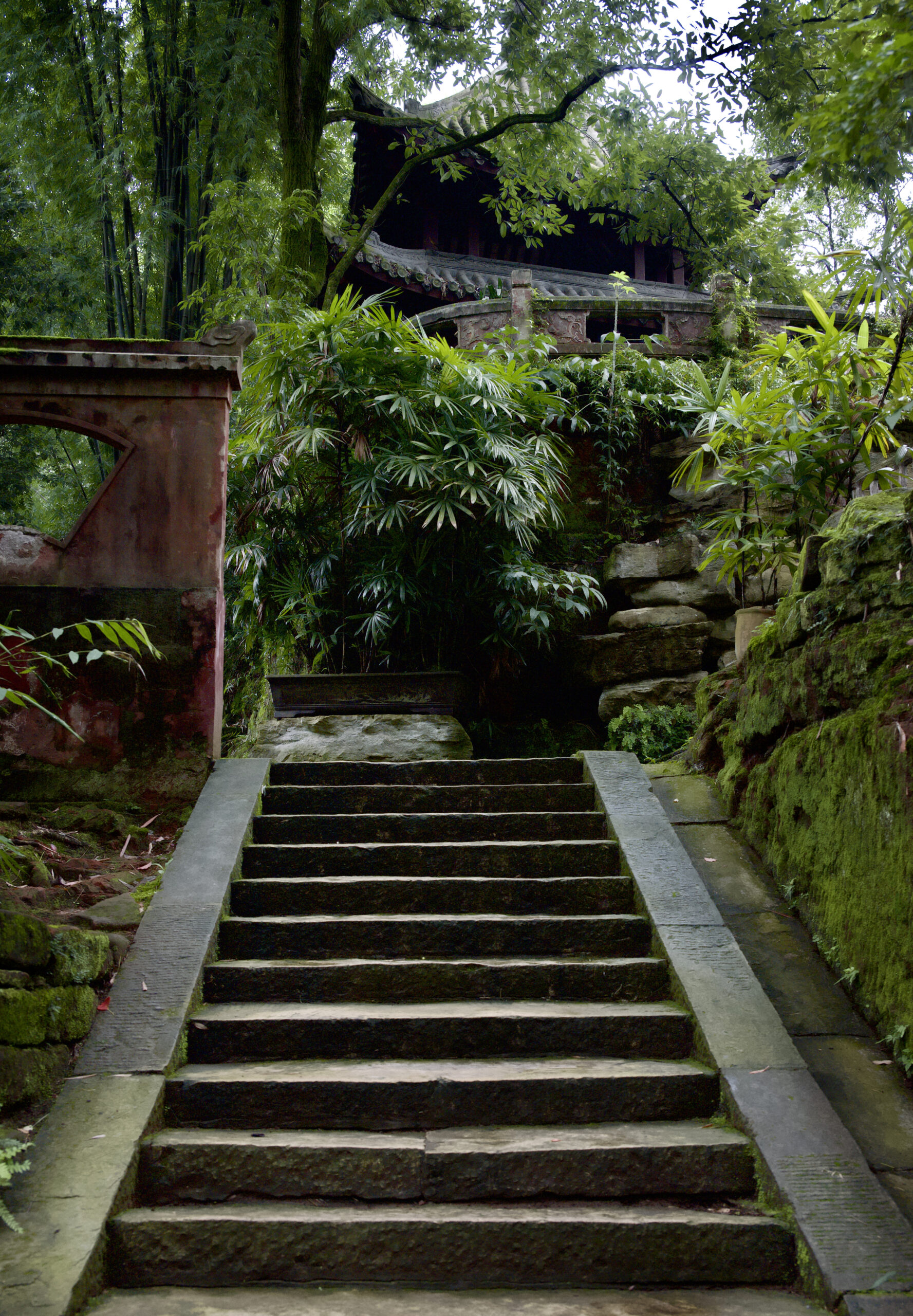
Crossing the river from the Leshan Giant Buddha entrance via the red pagoda bridge (portrayed in the image) will lead you to Wuyou Temple. The climb, consisting of many steep steps trailing up the mountain side, is a bit of a leg workout, let’s be honest. Don’t lose courage halfway there because this temple is the best kept secret of the site.
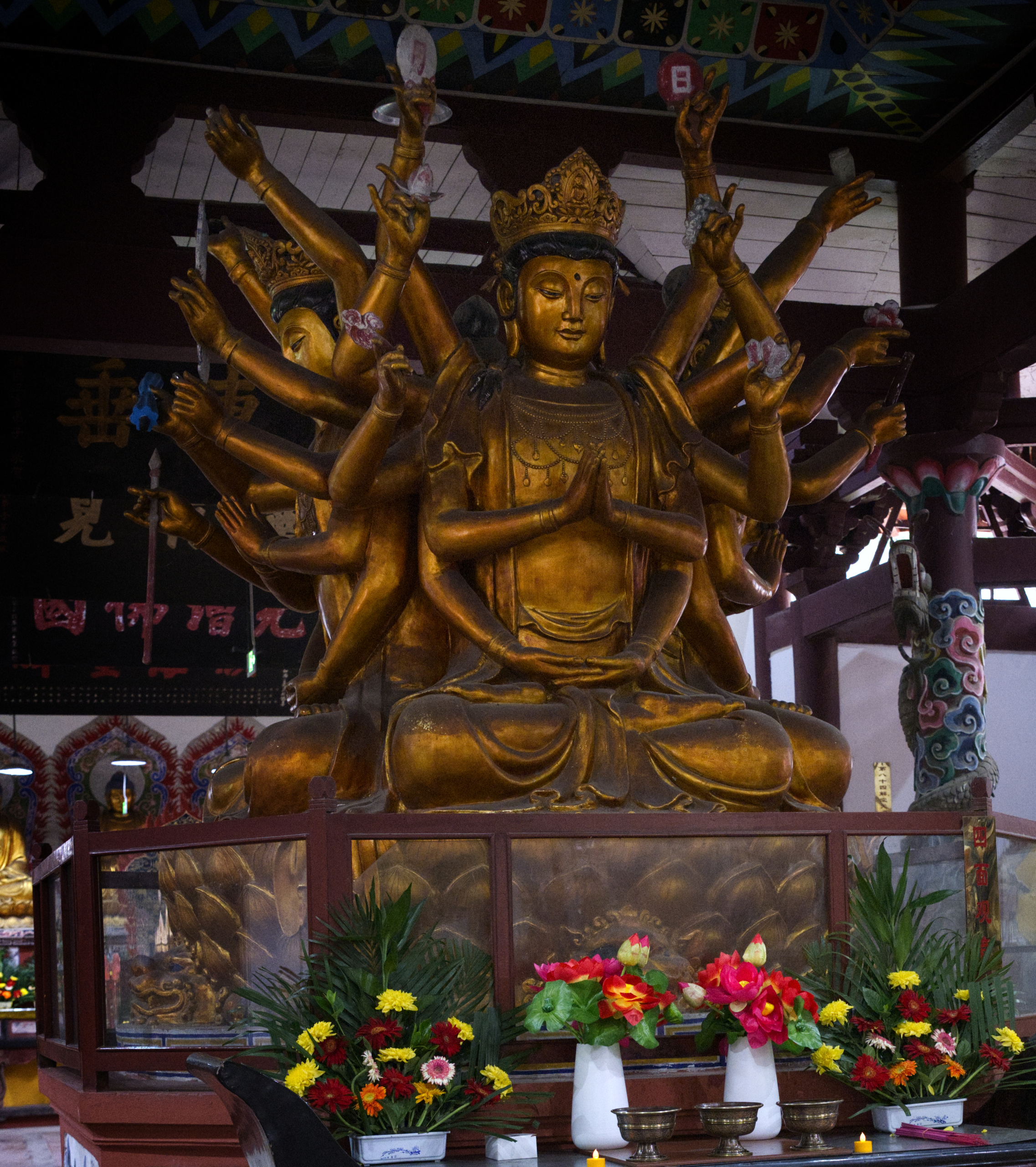
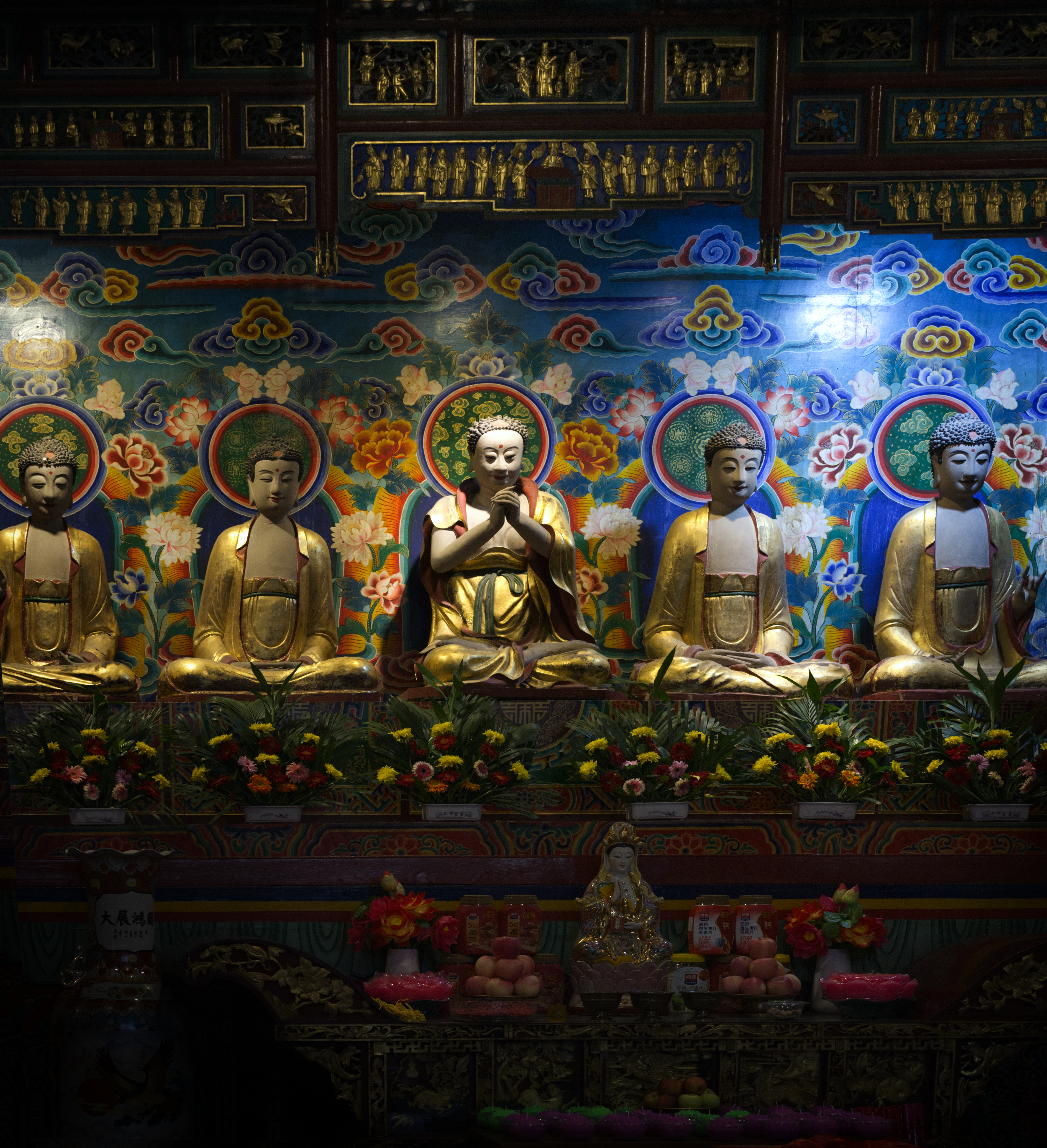
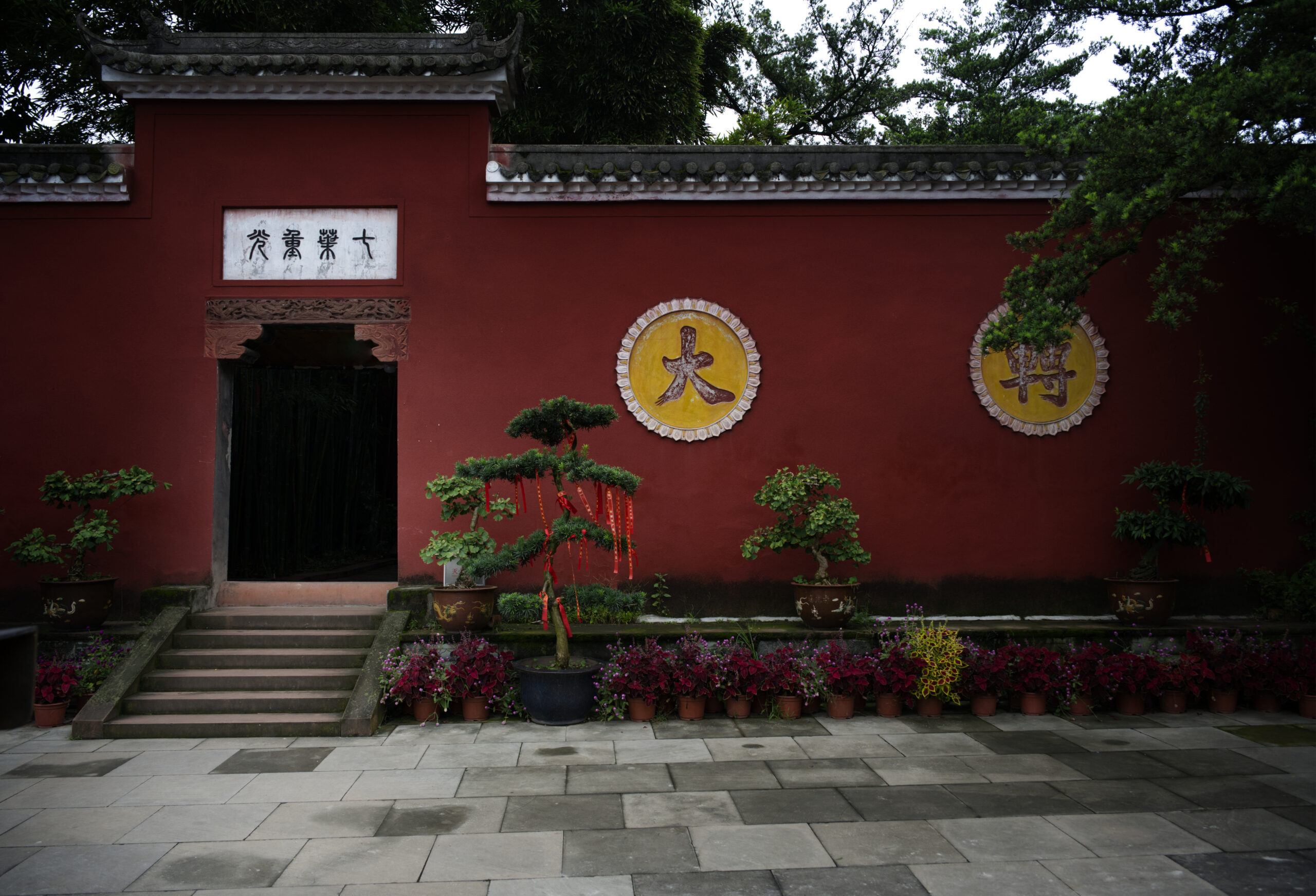
The Wuyou Temple dates back to the Tang Dynasty, a period marked by the flourishing of Buddhism in China. Over the centuries, the temple has undergone numerous restorations and expansions, reflecting the changing architectural styles and cultural influences of different dynasties. The complex is adorned with beautifully carved wooden structures, traditional tiled roofs, and serene courtyards that invite meditation and reflection. Visitors can explore the temple’s main hall, which houses a magnificent statue of the Buddha, alongside various other shrines dedicated to different Bodhisattvas.
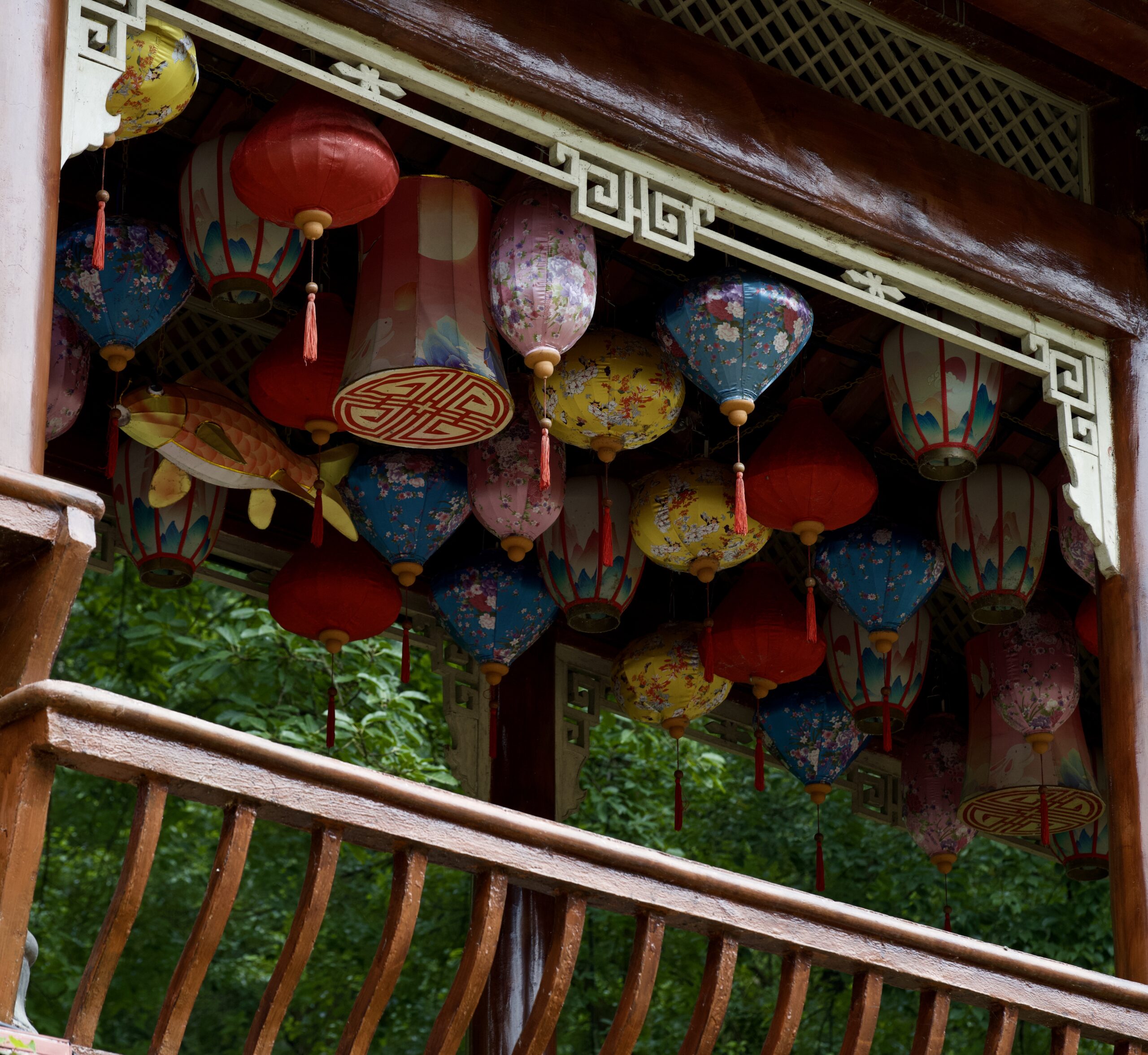
The shrines are lavishly decorated in hues of blues, reds, greens. Gilded in brilliant golds, the framed reliefs of the myriad reincarnations of the Buddha weave a narrative of life, strife, peace, and ultimate bliss, attainable by walking the path of dharma. The percepts that the dharma imparts lead to liberation from the state of suffering that the transient nature of material existence wields on humans.
While tracing the path encircling Wuyou Temple, slow steps after slow step, pay attention to the drip drop of the ever-present drizzle, the radiance of the rain forest, and the peeking light inside the temples. These details envelope the senses and transport the one who seeks meditative serenity to a dimension of manifested tranquility.
practical tips
To avoid tourist traps, skip shopping and dining at UNESCO sites. Instead, take a 20-minute Didi ride to residential districts where you can easily grab a delicious fresh meal.
Be cautious if relying on Google Lens for translating menus, as misunderstandings can occur. AI-powered translators may misinterpret ingredients leading to humorous results. It’s helpful to learn key phrases or take a screenshot of your dietary restrictions to show to the restaurant staff, who can assist you with navigating the menu and placing the intended order.
Google Maps doesn’t work in China. Download and use Amap instead.
Set up payments via Alipay. Credit cards are seldom accepted and cash is less and less used.
As I concluded my journey in Leshan, I felt at peace. During my quiet walks in the verdant landscape surrounding the city, I had practiced resilience, patience, mindfulness, and cultural appreciation. The true essence of a place lies in the the small moments and personal connections, which make the journey worth taking. May this slow travel article inspire you to visit Leshan one day.
Until we meet on the road again soon.
Yours truly,
G.
Get in touch if you wish to speak with us or pitch ideas for Sensible Magazine. Our email is: editor.sensiblezine@apronandsuitcase.com
Find us on Instagram for travel inspiration and more photography.





One thought on “Discovering Leshan, a Day Trip from Chengdu”
This is an amazing saunter through a place I will never see. I feel the enchantment and the crisp wet as you guide us through your journey. I love what you do. An excellent article. Looking forward to more.